Oil Flow Crisis Deepens as US-Iran Ceasefire Faces Strain Ahead of Diplomatic Talks

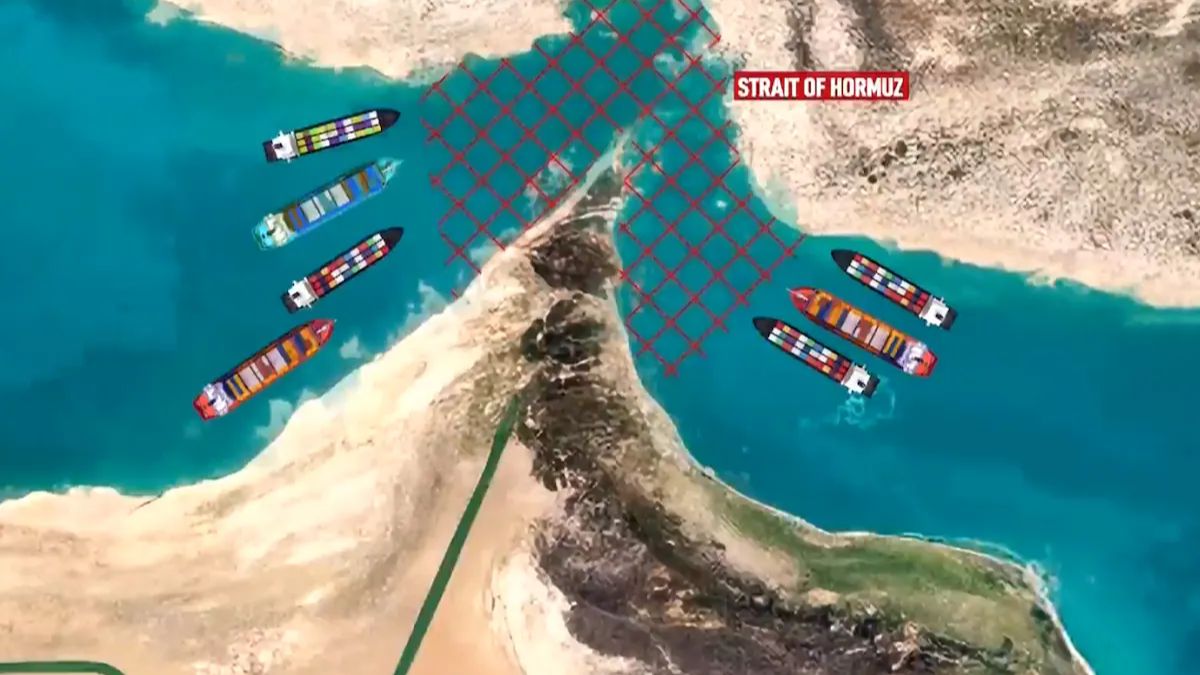
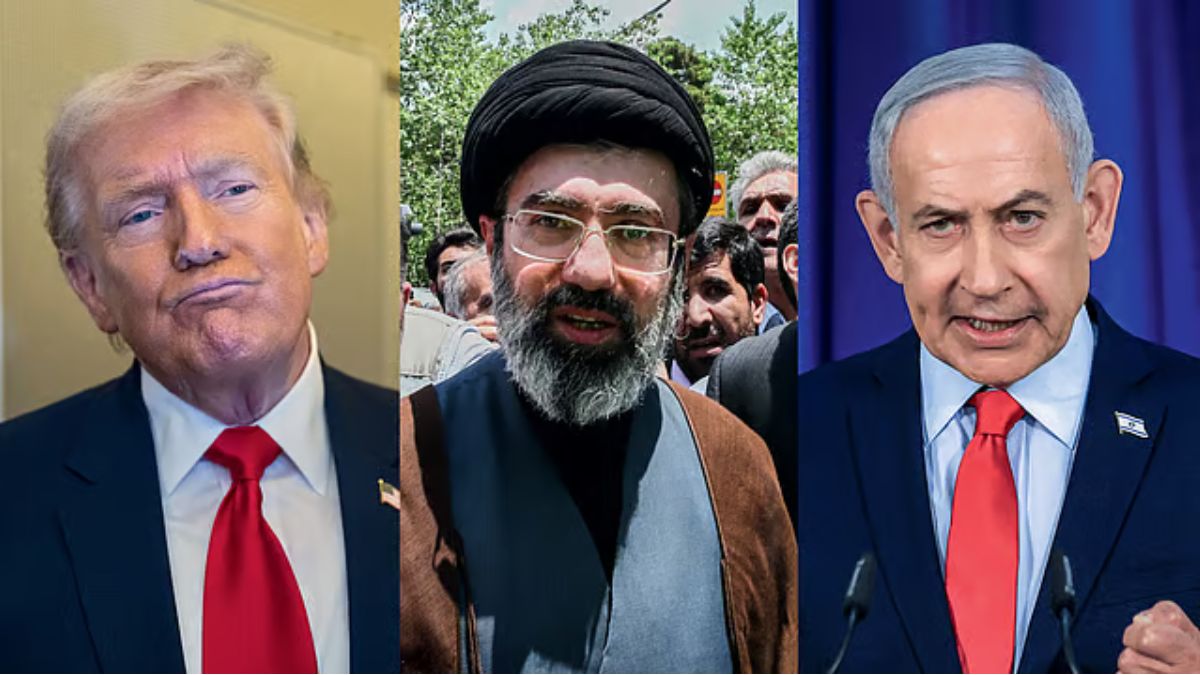
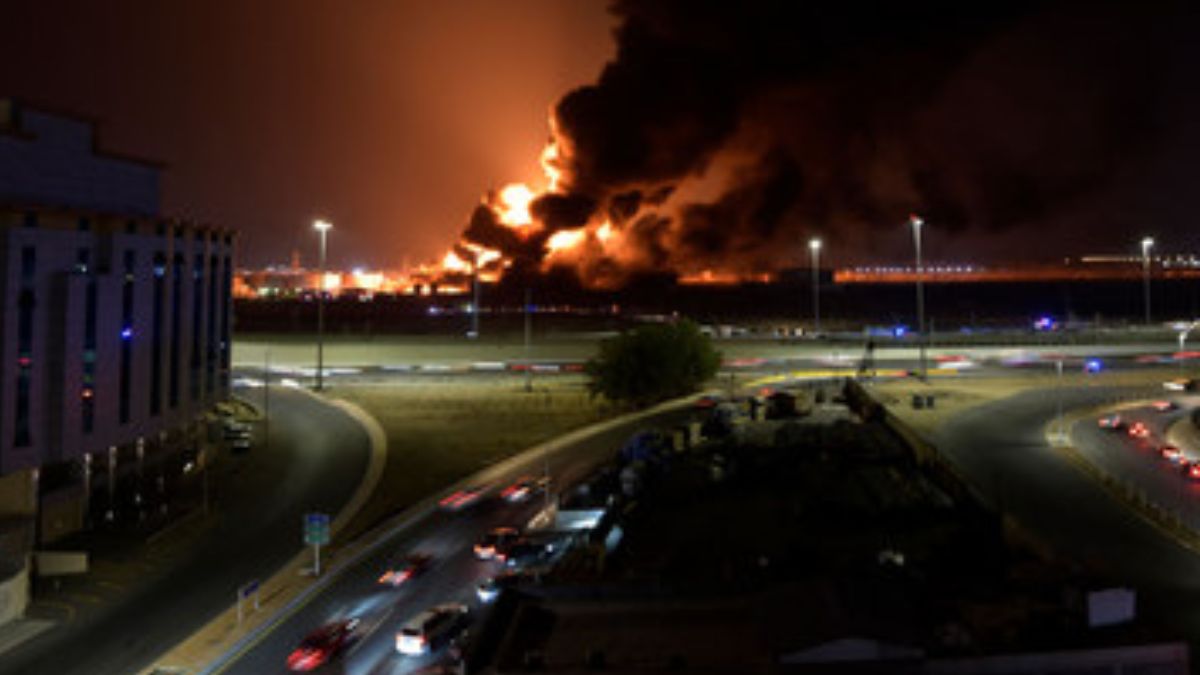
Pakistan is preparing to host the first round of US-Iran talks on Saturday, aimed at settling the conflict that began with US and Israeli attacks on Iran on February 28. Iran released a 10-point proposal on Wednesday, which includes maintaining control of the Strait of Hormuz, acceptance of Iran’s right to nuclear enrichment, lifting sanctions, and ending the war — including against Hezbollah in Lebanon.
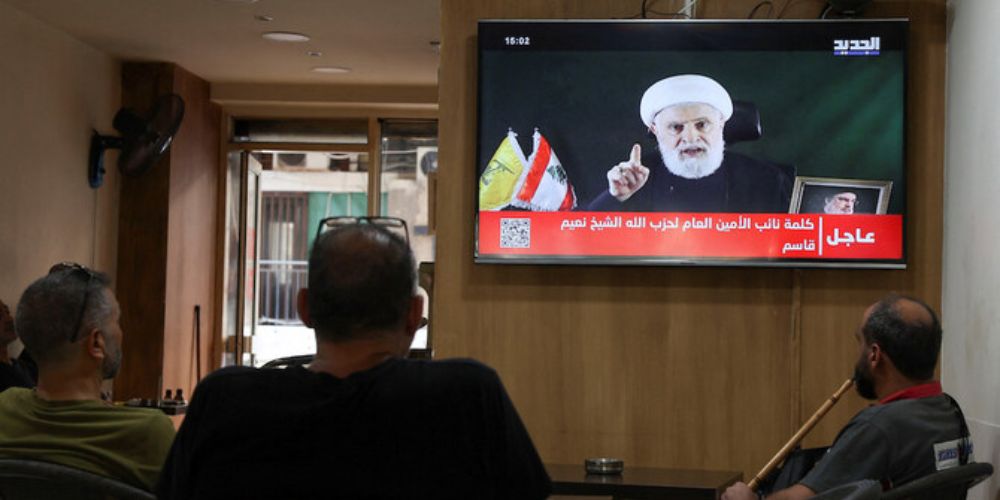
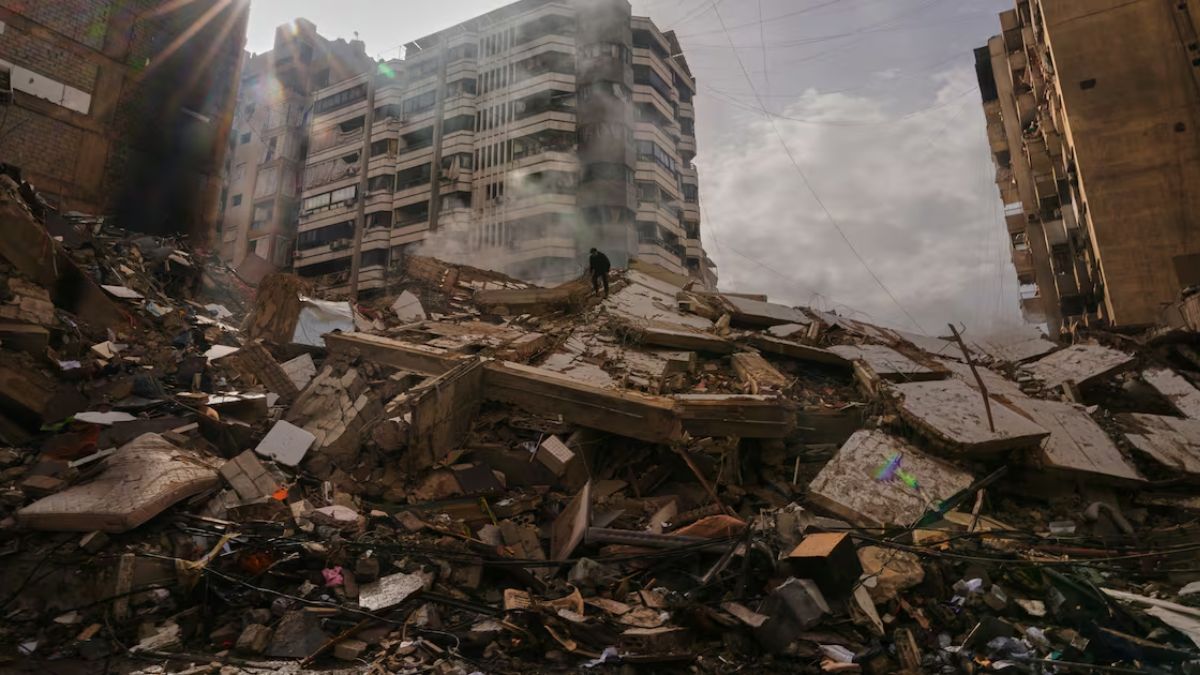
Israeli Prime Minister Benjamin Netanyahu, whose government previously rejected an offer for direct talks with Lebanon, said Thursday he had instructed officials to begin peace negotiations “as soon as possible,” focusing on disarming Hezbollah. A senior Lebanese official told Reuters that Beirut has been pushing for a temporary ceasefire to allow broader talks with Israel, describing it as a “separate track but the same model” as the US-Iran truce.
Hezbollah lawmaker Ali Fayyad rejected direct negotiations with Israel, saying the Lebanese government should demand a ceasefire as a precondition. Meanwhile, a senior Israeli official said Israel was preparing to scale down its attacks in Lebanon, and US media reported that Trump asked Netanyahu to be more “low-key” there. Another Israeli official said talks with Lebanon were expected to begin in Washington next week.
Also Read:
Why the UAE Is Calling on Iran to Compensate for War Damages
Trump Declares Victory: How Iran Still Holds Power Over the Strait of Hormuz