Hezbollah’s Strong Message: No Surrender in the Face of Israel-US ‘Aggression’
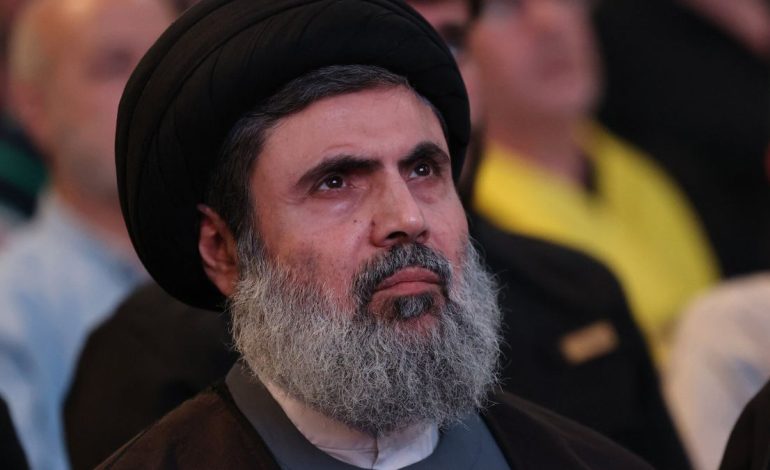

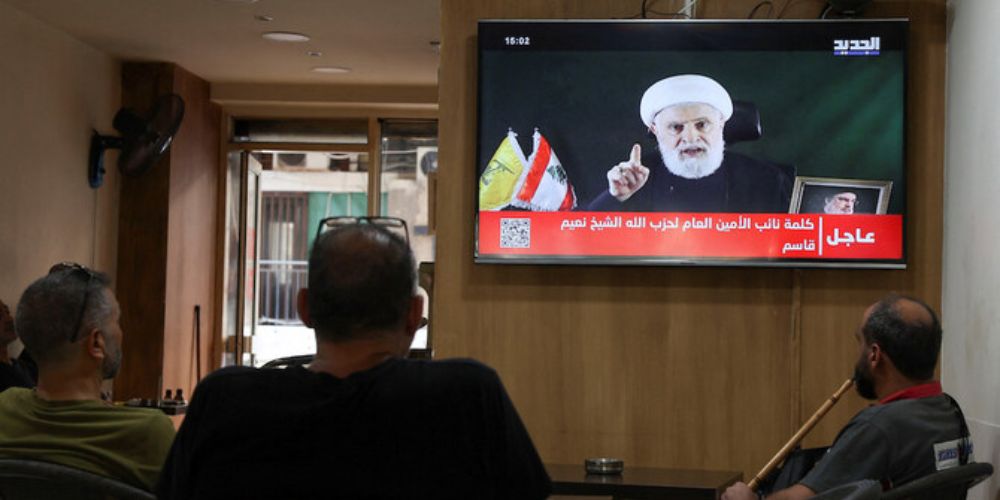
BEIRUT — The television screen flickered to life Wednesday night, and across Lebanon, people stopped to watch. Naim Qassem, the head of Hezbollah, appeared for his first speech since the current round of fighting began. His message was delivered in the calm, measured tone of a man who has seen war before and expects to see it again.
“We are facing aggression,” Qassem declared. “Our choice is to confront it until the ultimate sacrifice, and we will not surrender.”
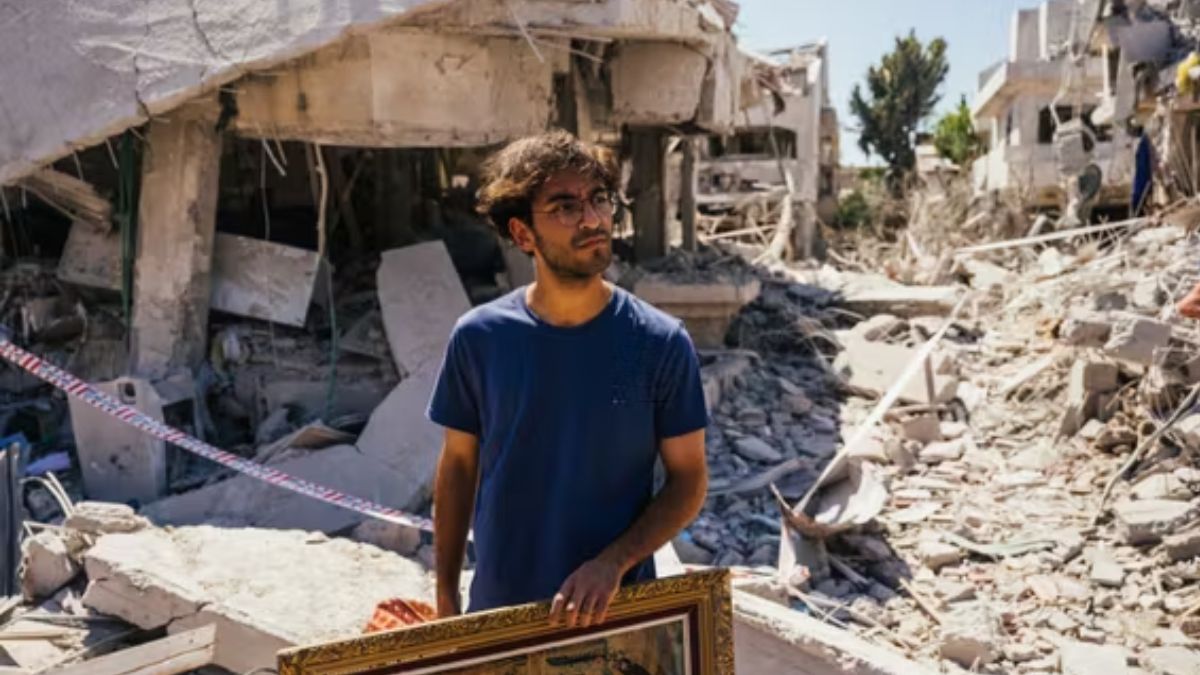
The words landed in a country already reeling. Three days of Israeli airstrikes have killed at least 72 people and displaced more than 83,000 from their homes. Southern Beirut, Hezbollah’s stronghold, has been hit repeatedly. Towns along the border have emptied. The dead include fighters and civilians, old and young.
Qassem acknowledged the cost. He acknowledged the “imbalance in capabilities” between his forces and the combined might of Israel and the United States. But he offered no path to de-escalation, no hint of compromise. Only resistance.
Who Started What?
The Hezbollah leader devoted significant time to the question of responsibility. He rejected the notion that his party started this round of fighting when it launched rockets toward Israel on Monday.
“What Israel did after the rocket salvo was not a response,” Qassem said. “It was an aggression that had been prepared in advance.”
The distinction matters for Hezbollah’s narrative. The group frames its actions as retaliation for the killing of Iranian Supreme Leader Ayatollah Ali Khamenei, a death it has vowed to avenge. But Qassem went further Wednesday, suggesting that Israel was looking for any excuse to attack Lebanon regardless of what Hezbollah did.
The claim is impossible to verify independently. But it reflects a broader belief in Lebanon and across the region: that the current war, which began with US-Israeli strikes on Iran, was always likely to spread.
Existential Defense
Qassem used striking language to describe Hezbollah’s current fight. “For us this is an existential defense,” he said.
The phrase is usually reserved for nations facing annihilation, not political parties facing military pressure. But it captures the stakes as Hezbollah sees them. The group has spent decades building its military capacity, its political influence, its social services network. All of it is now on the line.
If Israel succeeds in significantly degrading Hezbollah’s capabilities, the group’s raison d’être comes into question. If it fails to respond forcefully to the killing of Iran’s leader, its credibility as the vanguard of “resistance” collapses. For Qassem and his colleagues, this is indeed existential.
The Government’s Move
One passage of Qassem’s speech drew particular attention in Lebanon. He criticized the government’s decision Monday to ban Hezbollah’s military activities and demand that the party surrender its weapons.
“Instead of the Lebanese government moving to condemn the Israeli-American aggression and look for ways to confront it, it turned against the resistance,” Qassem said.
The government’s move was extraordinary. Months after committing to a gradual disarmament process that Hezbollah has repeatedly rejected, the cabinet suddenly issued an “immediate ban” on the group’s military operations. The decision reflected panic in Beirut as Israeli bombs began falling.
But it also highlighted Lebanon’s impossible position. The state does not control Hezbollah. It cannot enforce its own decrees. And now, with the country under attack, it finds itself caught between its obligations under international law, its relationships with Western powers, and the reality of an armed group operating outside its authority.
Qassem made clear that the government’s decision changes nothing on the ground.
“The topic of the resistance and the weapons of the resistance is not a subject of dispute for anyone or with anyone,” he said. “It is a legitimate right.”
What Comes Next
The speech offered no off-ramp. No condition for ceasefire. No signal that Hezbollah is prepared to stop fighting.
Instead, Qassem framed the conflict in the starkest terms: aggression versus resistance, surrender versus sacrifice. For a leader addressing his base, there is no other language available. To suggest compromise would be to admit weakness. And in the world of armed groups, weakness invites destruction.
On the ground, the war continues. Israeli troops have entered south Lebanese towns and villages, according to Israeli officials. Airstrikes pound targets across the country. Displaced families sleep in schools and public gardens. The dead are buried quickly.
Qassem’s message to his followers: stay strong, stay faithful, stay in the fight. The message to Israel: we will not break. The message to the Lebanese government: you are on your own.
In a country already shattered by economic collapse and political paralysis, another war was the last thing anyone needed. But need has nothing to do with it. The war is here. And if Hezbollah’s leader is to be believed, it will not end anytime soon.
Also Read:
What the UK Shelter-in-Place Warning Means for Citizens in the Gulf
Iran Strikes Impact UAE: Defense Ministry Confirms Three Deaths and 58 Injuries