
Morocco Allocates $330 Million to Rebuild After Devastating Floods
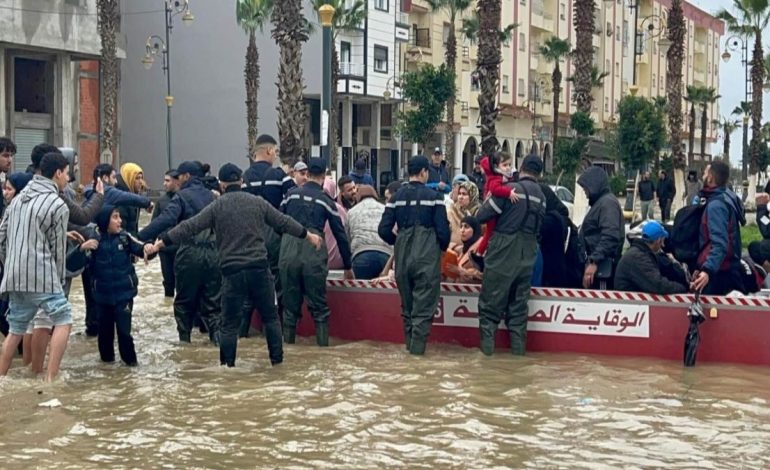

After years of desperate dryness, water arrived in Morocco with a vengeance. Weeks of relentless torrential rain and controlled releases from overflowing dams have submerged villages, swallowed farmland, and transformed the northwestern city of Ksar El Kebir into a largely deserted waterway. Now, the government is mounting a recovery effort to match the scale of the destruction.
On Thursday, the prime minister’s office announced a 3 billion dirham ($330 million) relief and reconstruction package targeting the hardest-hit communities in the country’s northwestern plains. The funds will flow toward repairing shattered infrastructure, rehousing displaced families, and rescuing farmers and small businesses pushed to the brink.
A Region Submerged
The numbers convey the enormity of the crisis. Official figures show 188,000 people have been displaced from their homes. More than 110,000 hectares of farmland—the breadbasket of the region—lie submerged under murky floodwaters. The government has formally declared the worst-affected municipalities disaster areas.
In Ksar El Kebir, the Loukkos River burst its banks earlier this month, inundating entire neighborhoods. Access to the city remains restricted, a ghost town marked by mud-caked streets and silent homes.
Where the Money Will Go
The relief budget is divided along clear lines of need. Some 1.7 billion dirhams is allocated to repairing basic infrastructure—roads severed by floodwaters, hydro-agricultural networks essential for future irrigation, and the connective tissue of rural life.
The remainder will address the human toll: rehousing displaced families, reconstructing destroyed homes, providing direct support to small businesses, and assisting farmers and livestock breeders who watched their livelihoods wash away.
State television has broadcast images of army helicopters and rescue boats ferrying evacuees to safety. Tent camps now dot the landscape, temporary homes for tens of thousands awaiting longer-term solutions.
From Drought to Deluge
The floods mark a dramatic reversal of fortune for a nation that only months ago was gripped by severe drought. Water Minister Nizar Baraka provided context on Thursday: rainfall this winter has exceeded the post-1990s average by 35 percent and tripled last year’s meager totals.
The Oued Makhazine dam, pushed to 160 percent of its designed capacity, was forced to release water downstream to manage exceptional inflows. Several large dams across the country are being partially emptied to absorb continuing inflows—a controlled surrender to nature’s excess.
Snow cover in the Atlas and Rif mountains reached a record 55,495 square kilometers this winter before receding to 23,186 square kilometers. That melting snow, Baraka noted, will continue feeding dams in the months ahead.
A Seven-Year Thirst Quenched
The deluge has brought an unexpected dividend. Morocco’s national dam-filling rate has surged from a critically low 27 percent a year ago to nearly 70 percent today. The seven-year drought that forced the Kingdom to accelerate investments in desalination technology has, for now, been broken.
The challenge now is not finding water, but surviving its abundance. The same rains that ended a drought have inflicted wounds that will take months—and hundreds of millions of dollars—to heal. Morocco is committing both. The question is whether the recovery can keep pace with the scale of loss etched across the northwestern plains.
Also Read:
Key Highlights from the German Parliament Speaker’s Visit to Gaza
Colors of the Desert: Sahara Cultures Take Center Stage in Chad