




How Modern Healthcare is Evolving with AI Technology
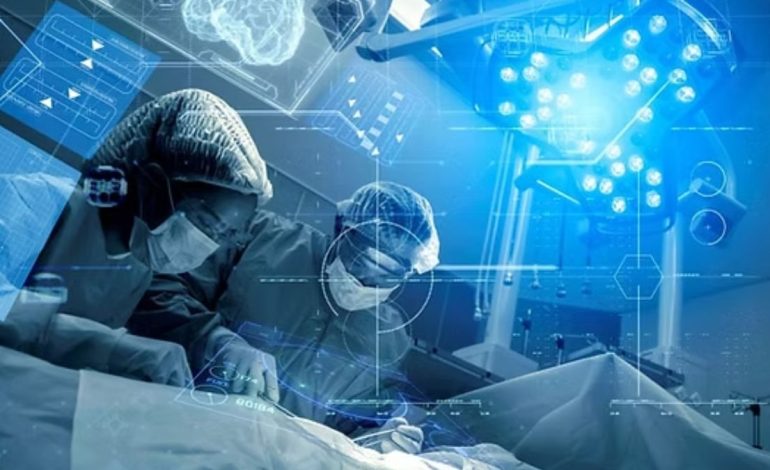

Medical technology today isn’t what it was just five years ago. Doctors now have tools that once seemed like science fiction. From the way diseases get diagnosed to how hospitals keep track of patients, everything is shifting. And it’s happening faster than most people realize.
Healthcare is Going Through Major Changes
Walk into almost any modern hospital and you’ll notice something different. The pace of change is real. Things that doctors couldn’t do a decade ago are now routine. Technology isn’t coming to medicine someday. It’s already here.
The interesting part is that this isn’t about replacing doctors or eliminating the human touch. It’s actually the opposite. These new tools help doctors make better decisions, faster. They handle tedious administrative work that used to eat up hours. That means doctors spend more time actually taking care of patients instead of dealing with paperwork. The system runs smoother. Patients get better care.
Doctors Can Diagnose Problems Earlier and Better
When doctors need to spot a disease early, milliseconds count. Modern imaging and analysis tools are changing how fast and how accurately conditions get identified.
Think about X rays and CT scans. Today’s systems can look at thousands of images and spot patterns that would take a human radiologist much longer to find. They catch cancer in early stages. They spot heart disease before it becomes critical. They find tumors when they’re still small and more treatable. This isn’t about replacing radiologists. Good doctors still make the final call. But they’re armed with information that helps them see things faster and catch problems when intervention matters most.
What This Means: Early detection saves lives. Modern diagnostic tools help doctors catch diseases when treatment is most effective.
Treatments Can Be Customized for Each Patient
Medicine used to work on a simple principle: if you have this disease, you get this treatment. Everyone gets the same drug. Everyone gets the same dose. Everyone hopes it works.
That’s changing. Modern systems can look at a patient’s genetic makeup, their health history, how they live, and other factors specific to them. Then doctors can predict which treatment will actually work best for that person. It’s not guessing anymore. It’s specific, targeted medicine built for one individual.
The result matters. Fewer side effects. Better outcomes. Treatments that work more often on the first try. Less suffering. Better quality of life for patients.
Hospital Efficiency Gets a Serious Upgrade
Hospitals deal with endless operational headaches. Too many patients. Not enough staff. Scheduling nightmares. Mountains of paperwork and forms. These issues drain money and time that should go toward care.
Modern technology is tackling these problems head on. Appointment scheduling that actually works. Billing that doesn’t require someone manually tracking everything. Patient records organized digitally instead of scattered across filing cabinets. Systems that predict how busy the hospital will be and help staff prepare accordingly.
What does this accomplish? Shorter waits for patients. Better use of medical equipment. More efficient use of staff time. And most importantly, nurses and doctors can focus on what they’re trained to do: care for people.
- Scheduling happens automatically with fewer conflicts and errors
- Hospitals can predict patient volumes ahead of time
- Digital records mean no more lost paperwork or delays
- Resources get used where they’re needed most
- Staff spend time on patients instead of administrative work
New Medicines Get Developed Faster
Making a new drug used to be a nightmare. Fifteen years. Billions of dollars. Countless failures. There had to be a better way.
Modern computing changed that. Instead of testing one compound at a time in a lab, researchers can screen thousands of candidates at once. They can model how different molecules interact. They can run virtual trials before running real ones. For serious diseases where every year matters, this acceleration is huge. Patients with Alzheimer’s or rare genetic diseases don’t have time to wait fifteen years for new treatments.
The bottom line: medicine gets to patients faster. Development costs drop. The chances of finding effective treatments go way up.
Patients Can Be Monitored Constantly
Patient care used to be confined to hospitals and doctor’s offices. Patients went home and were on their own. Doctors couldn’t see them. If something went wrong, patients had to notice and call for help.
That’s not how it works anymore. Wearable devices track patient health around the clock. Doctors can see changes in real time. A patient’s heart rhythm starts to change? The system flags it. Blood pressure spikes? Alert goes out. Early signs of infection show up? The doctor knows before the patient even feels sick.
This matters because small problems can become big ones fast. Catching them early means doctors can step in and prevent serious complications. Meanwhile, patients get more freedom. They can be home with their families instead of stuck in a hospital bed. And they still get constant professional monitoring.
Public Health Gets Better Tools
Disease isn’t just an individual problem. It’s a public health issue. When you can see patterns across thousands or millions of people, you start to understand epidemics before they happen.
Modern analytics help public health officials spot emerging trends. They can predict where disease outbreaks might occur. They can see which regions need more vaccination resources. Healthcare in poor and remote areas now has access to diagnostic tools that were once available only in wealthy hospitals. Instead of waiting for disease to strike and then reacting, health systems can prepare and prevent.
The Big Picture: Technology helps health systems respond to threats faster, prevent diseases before they spread, and bring better healthcare to people everywhere.
Technology Works With Doctors, Not Against Them
One concern people have is that technology will replace doctors. That’s not what’s happening. Doctors still make the decisions. They still use their judgment and expertise. Technology just gives them better information to work with.
A skilled doctor with good information beats either one alone every time. That’s the real advantage here.
What Happens Next
This transformation is still early. These tools will keep improving. More hospitals will adopt them. The benefits will multiply. Faster diagnoses. Better personalized treatments. Hospital systems that run smoothly while keeping the care compassionate.
The future hospital will blend advanced technology with skilled medical professionals in ways that deliver faster, more accurate, and more personal care than we have today.
The Real Story Here
Technology in healthcare matters because patients matter. Better diagnostics save lives. Personalized treatments work better. Smoother operations mean less frustration and better care. Faster drug development means new hope for serious diseases.
This isn’t some distant future. It’s happening now. Hospitals are using these tools today. Patients are already getting better outcomes. The only question left is how quickly these benefits can reach everyone, everywhere. Because these advantages shouldn’t be limited to wealthy countries or major cities. Every patient deserves access to the best that modern medicine can offer.
Healthcare is transforming. Modern methods are changing how doctors work, how patients are treated, and how health systems operate. The story continues to unfold.
Also Read: