How Plinio Cuccurin Built a Community-First Model That Made Bale a Sustainable Success
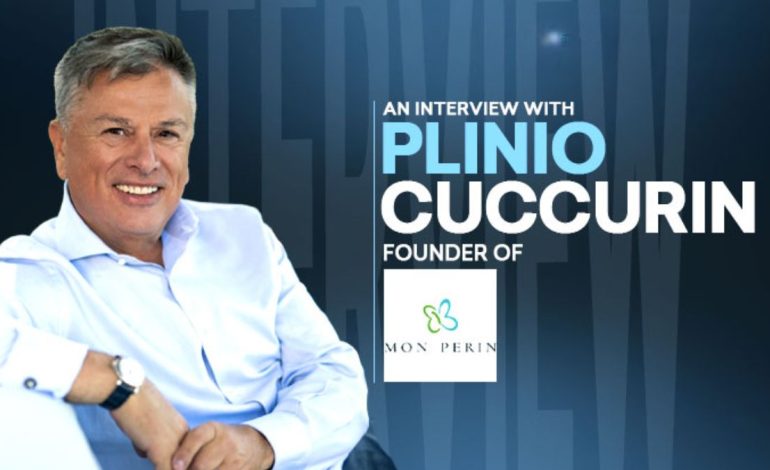

In the world of destination development, where blueprints often prioritize skylines over sidewalks and investors over inhabitants, the story of Plinio Cuccurin and Mon Perin stands apart. It begins not with a grand resort, but with a quiet conviction: true, lasting growth must be grown from within, by and for the community itself.
Cuccurin’s vision was to revive Bale, a picturesque Istrian town rich in natural beauty but facing limited economic horizons. His revolutionary strategy was deceptively simple yet profound. He didn’t just build a tourism company for Bale; he built a company of Bale. From the outset, hundreds of local residents, alongside the municipality, became shareholders. This was not a token gesture but the foundational pillar, creating a model rooted in collective ownership, shared accountability, and a common dream.
The impact of this decision redefined the very purpose of the enterprise. Profits were reinvested into local public services and quality-of-life projects. Decision-making was grounded in the real needs of the community, fostering a culture of long-term loyalty and strengthening the town’s social fabric. While balancing diverse expectations required deep transparency and continuous dialogue, Cuccurin saw this not as a hurdle, but as the source of Mon Perin’s resilience. “Community involvement forces us to consider the wider impact of every action,” he noted. “It keeps us aligned with our purpose.”
For Cuccurin, sustainability was never a marketing tagline. It was the operational blueprint. At Mon Perin, it meant careful stewardship of the environment, steadfast support for local families through initiatives like school meal programs, and a disciplined financial approach that favored steady, respectful growth over rapid expansion. This commitment was tested during the global pandemic. Under Cuccurin’s leadership, the company’s response—suspending dividends, voluntary salary adjustments by staff, ramping up local food production, and supporting health workers—proved the structural strength of the community model. Shared purpose provided the solidarity to endure.
Now, with leadership transitioned to a new board, Cuccurin’s legacy provides the compass for Mon Perin’s future: extending the tourist season, developing high-quality, environmentally conscious accommodations, and continually reinvesting in Bale’s infrastructure and social programs. The ultimate metric of success, in his view, remains clear: “What truly matters is the value created for the people who live here. Growth must never come at the expense of the community.”
Mon Perin has thus become more than a destination; it is a compelling blueprint for regional transformation. Plinio Cuccurin’s work demonstrates that economic vitality does not require a community to sacrifice its soul. Instead, when residents become custodians and shareholders of their own future, a small town can cultivate a thriving, sustainable model of success that the wider world would do well to observe.
To learn more about Mr. Plinio Cuccurin’s work and Mon Perin’s on-going initiatives, visit:
Mr. Plinio Cuccurin LinkedIn: https://www.linkedin.com/in/plinio-cuccurin-47455628/
Mon Perin LinkedIn: https://www.linkedin.com/company/monperin/
Also Read:
The Yearly Inflation Rate in Dubai Declines to its Lowest Level in 14 Months
COP16: Saudi Arabia Calls on the Private Sector to Close the Funding Gap For Land Restoration