

Lebanon Defends Tax Reform Plan Amid Growing Economic Pressure

Lebanon’s finance minister defended on Tuesday a controversial government decision to raise taxes in order to finance a long-awaited increase in public sector wages. The move, announced Monday, has drawn sharp criticism from unions and sparked a brief protest that blocked a main artery in central Beirut.
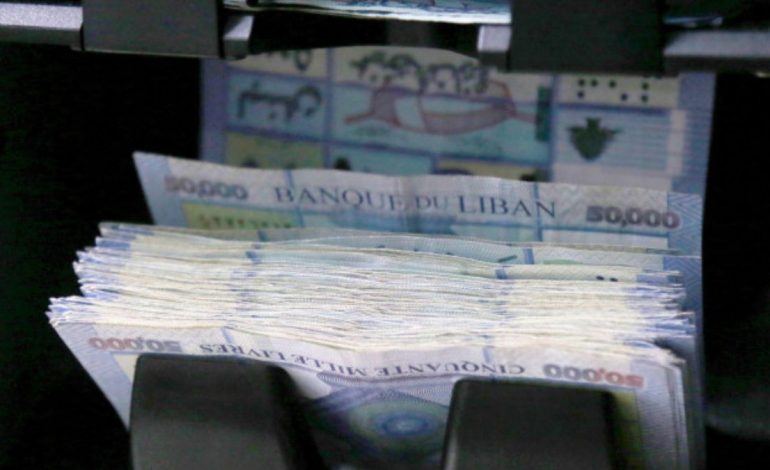
Finance Minister Yassin Jaber told a press conference that the wage hike would cost the state $620 million, making tax increases necessary “to preserve financial balance, because any imbalance would lead us to a crisis.” The government’s decision raises the value-added tax to 12 percent from 11 percent and adds 300,000 Lebanese pounds (approximately $3.30) to the cost of each 20-liter can of gasoline.
Desperate Need, Disputed Remedy
The wage increase affects hundreds of thousands of civil servants and retirees in a country still reeling from a devastating economic crisis that began in 2019. Public sector salaries have shrunk dramatically due to the severe depreciation of the Lebanese pound over the past six years. The new measure aims to boost wages sixfold, restoring them to about 28 percent of their pre-crisis value, according to Walid Geagea, head of the Public Sector Employees Association.
But Geagea rejected the government’s approach. “You give us a sixfold increase and it goes away by paying for fuel and taxes,” he told AFP.
Voices of Opposition
The decision was not unanimous within the government itself. Energy Minister Joe Saddi said he had “objected to approving any tax increases at this stage,” signaling internal divisions over how to address Lebanon’s overlapping crises.
Beyond the cabinet, unions representing affected sectors voiced strong opposition. Bassam Tlais, head of Federations and Unions of the Land Transport Sector, issued a statement saying they “support improving wages, but we refuse to place this additional burden on citizens and the transport sector.” He called for “fair alternatives that don’t burden people financially.”
Taxi drivers, directly affected by the fuel tax increase, briefly blocked a road in central Beirut on Tuesday to protest the decision.
Economic Warning Signs
Senior financial adviser Michel Kozah warned that the cabinet’s move “will create inflation,” adding that “the central bank will be forced to increase the money in circulation.” Such a step could further destabilize an economy already struggling with currency depreciation and limited foreign reserves.
The Broader Context
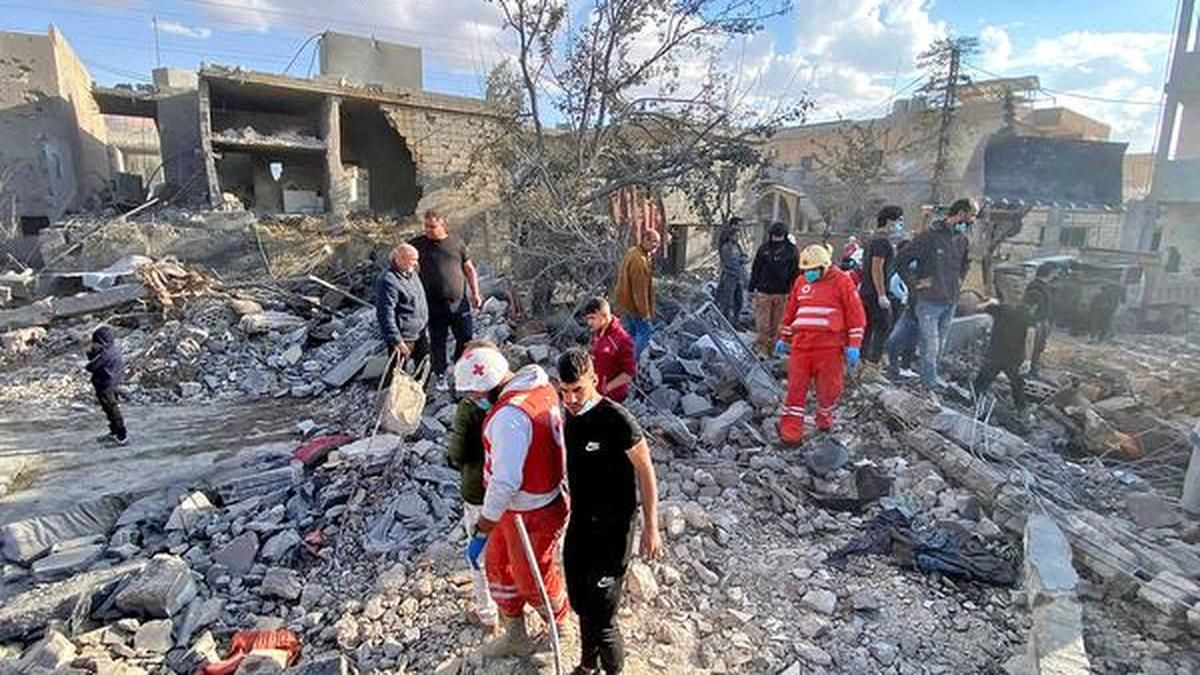
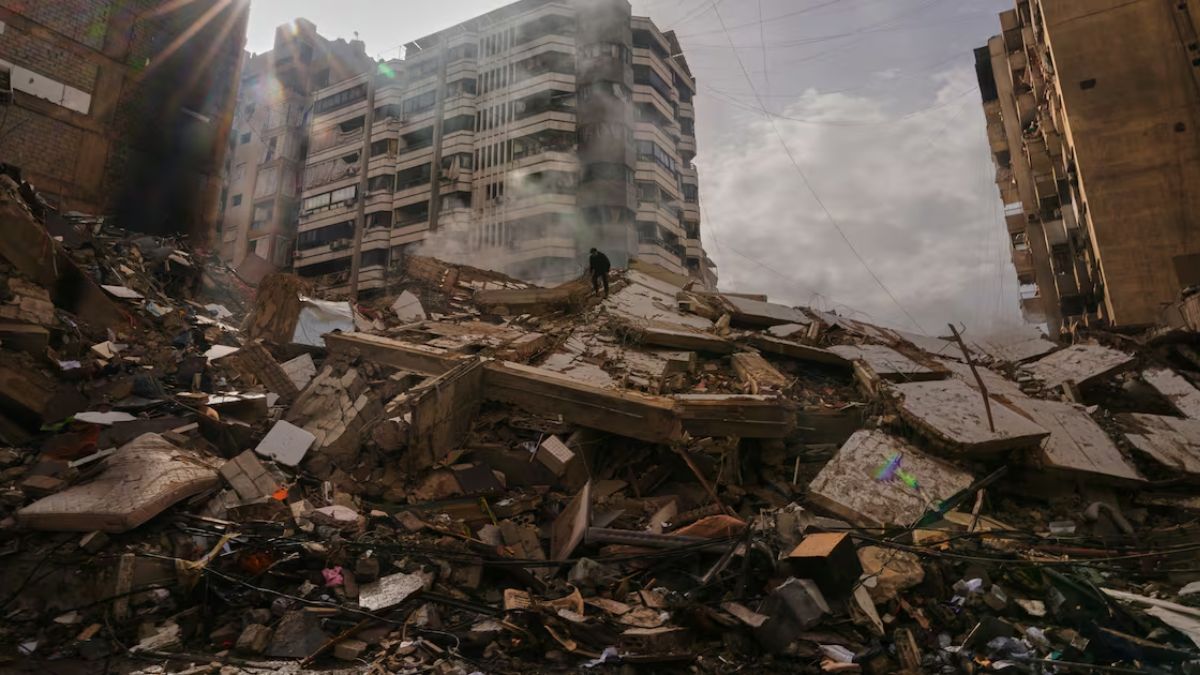
Lebanon’s economic challenges extend beyond the immediate wage dispute. The country is still recovering from the 2019 financial collapse, which wiped out savings, paralyzed banks, and plunged much of the population into poverty. More recently, the war between Iran-backed Hezbollah and Israel has added new layers of destruction and displacement.
International donors have conditioned aid on public sector reforms, creating pressure on the government to demonstrate fiscal responsibility even as it addresses urgent social needs. The tax increase can be understood in this context: an attempt to fund necessary public spending without further alienating international partners.
A Population Weary
For ordinary Lebanese, the debate over taxes and wages plays out against a backdrop of daily struggle. Electricity is scarce. Savings are inaccessible. The currency’s value fluctuates unpredictably. Many families rely on remittances from abroad to survive.
The government’s calculation is that higher wages, even partially offset by higher taxes and fuel costs, will improve conditions for public sector workers who have seen their purchasing power collapse. Opponents argue that the taxes will ripple through the economy, raising prices for everyone while benefiting only a portion of the population.
What Comes Next
The protest in Beirut Tuesday was small, but it reflects deeper discontent that could grow if the tax increases take effect without visible improvement in living conditions. Union leaders have signaled they will continue to press for alternatives.
For now, the government presses forward with its plan, defending tax increases as necessary for fiscal stability while acknowledging the pain they will cause. In a country where economic collapse has already inflicted immense suffering, the margin for error is narrow. And the patience of the people, after years of crisis, is thinner still.
Also Read:
Authorities Respond After Up to 15-Year Sentences in Synagogue Attack Case
Al-Aqsa Under Tight Watch: Ramadan Begins Amid Security Restrictions