
Last Christians Come Together in the Ruins of Quake-Hit Antakya
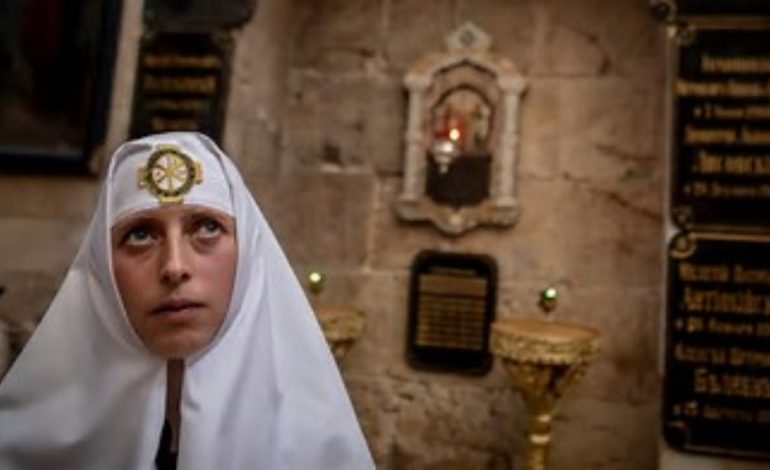

In the pale dawn light of Christmas Eve, a small crowd converges on a scarred hillside in southeastern Turkiye. They are drawn to the mouth of a cave—Saint Peter’s, believed to be one of the world’s oldest churches. For the isolated Christian community left in the earthquake-devastated city of Antakya, this ancient rock-hewn sanctuary is now their last, sacred rallying point.
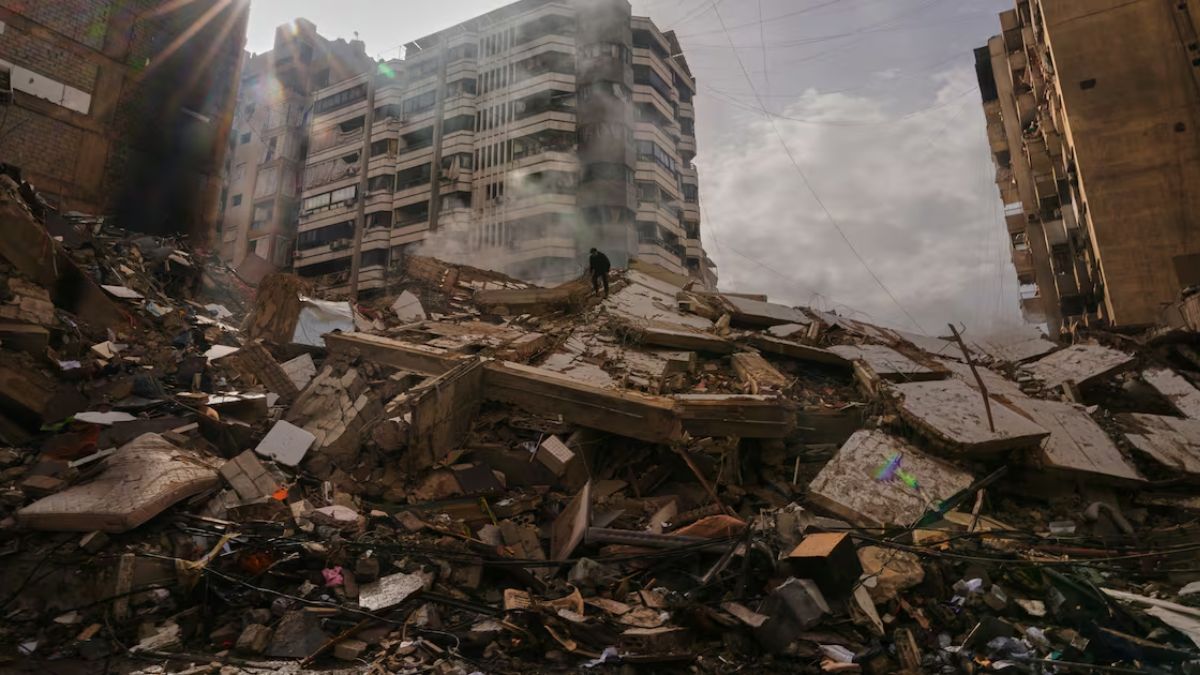
The landscape tells a story of profound loss. Nearly three years after twin earthquakes ravaged Hatay province on February 6, 2023, fields of rubble and the haunting silhouettes of cracked buildings stretch across Antakya, the ancient city of Antioch. A persistent grey dust coats everything, a visual echo of the disaster that emptied the city and scattered its people.
“Since the earthquake, our community has scattered,” said worshipper Mari Ibri, her voice carrying the weight of displacement. “Those who remain are trying to regroup. We each had our own church but, like mine, they have been destroyed.”
A Community Diminished, Yet Determined
The numbers are stark. Before the quakes, the Christian community numbered around 350 families. Today, Father Dimitri Dogum estimates fewer than 90 families remain. The grandeur of past Christmases, with churches overflowing with people from everywhere, is now a memory. Ibri’s own church in the city center stands inaccessible amidst the ruins.
Now, on this rare day when the cave-church museum is opened to the faithful, they come together. They gather at the site where tradition holds that Saint Peter, the disciple charged by Jesus to found the church, led the first Christian service in the 1st century.
A Service of Echoes and Resilience
As the morning sun glowed red, Fadi Hurigil, leader of Antakya’s Orthodox community, prepared the altar. They draped stone, unpacked candles and chalices, and placed figurines near simple offerings of bread and wine. The sound system played a poignant recording—the bells of the now-empty Saint Peter and Paul church in the city center. “That was my church,” Ibri said, crossing herself. “They recorded the peals.”
About a hundred worshippers squeezed into the incense-filled cave, with at least as many standing outside under the watchful eyes of a large police contingent—a normalized reality for a protective minority in the region.
The two-hour service began with the slow, resonant chanting of Orthodox hymns in Arabic and Turkish. “It’s very moving for us to be here in the world’s first cave church, where the first disciples gathered,” Father Dogum reflected. He remembered larger crowds, recounting at least 750 people, Christians and non-Christians alike, gathering in 2022.
A Sliver of Hope, Topped with Whipped Cream
Though the gathering is smaller now, there are signs of a fragile return. “After February 6, our fellow citizens scattered. But they’re starting to come back. We’re happy about that,” shared one attendee.
At the service’s end, as carols filled the air, the leaders cut a large rectangular cake. At its center, a Nativity scene of Mary, baby Jesus, an ox, and a donkey was edged with simple whipped cream—a symbol of sweetness and normalcy wrested from dust and despair.
In the ruins of Antakya, this Christmas gathering was more than a religious observance. It was an act of profound resilience, a declaration that even a scattered community, worshipping in the oldest of churches, refuses to let its story end. It was a testament to faith finding its footing once more, one cautious step at a time, on broken ground.
Also Read:
Yemen’s Fragmentation: A Growing Risk to Regional Stability
Pope Leo’s First Christmas Message Highlights Suffering in Gaza