

Kremlin’s Latest Statement: Room for Iran Talks ‘Not Exhausted’ Explained

In the tense standoff between Washington and Tehran, where threats of military strikes and promises of “powerful responses” dominate the headlines, a distinct voice from Moscow is urging a different path. The Kremlin’s spokesman, Dmitry Peskov, delivered a carefully calibrated message this week: “It is clear that the potential for negotiations is not exhausted.”
This statement is more than a simple plea for peace. It is a strategic intervention from a key player with its own significant stakes in the outcome. To understand its full weight, we need to unpack the layers behind Moscow’s words.
A Call for Restraint with Strategic Motives
On the surface, the Kremlin’s call for all sides to “show restraint and refrain from methods of force” aligns with a universal desire to avoid another catastrophic war in the Middle East. Peskov warned that any use of force could “create chaos in the region and lead to very dangerous consequences”—a prediction few would dispute.
However, Russia’s position is deeply influenced by its own geopolitical landscape. Iran has become a crucial ally for Moscow, especially since the war in Ukraine. Tehran provides diplomatic support and, reportedly, military supplies like drones. A major conflict that directly involves Iran would force Russia into a difficult position, potentially destabilizing a key partnership and opening a new, distracting front in its foreign policy.
The “Not Exhausted” Gap
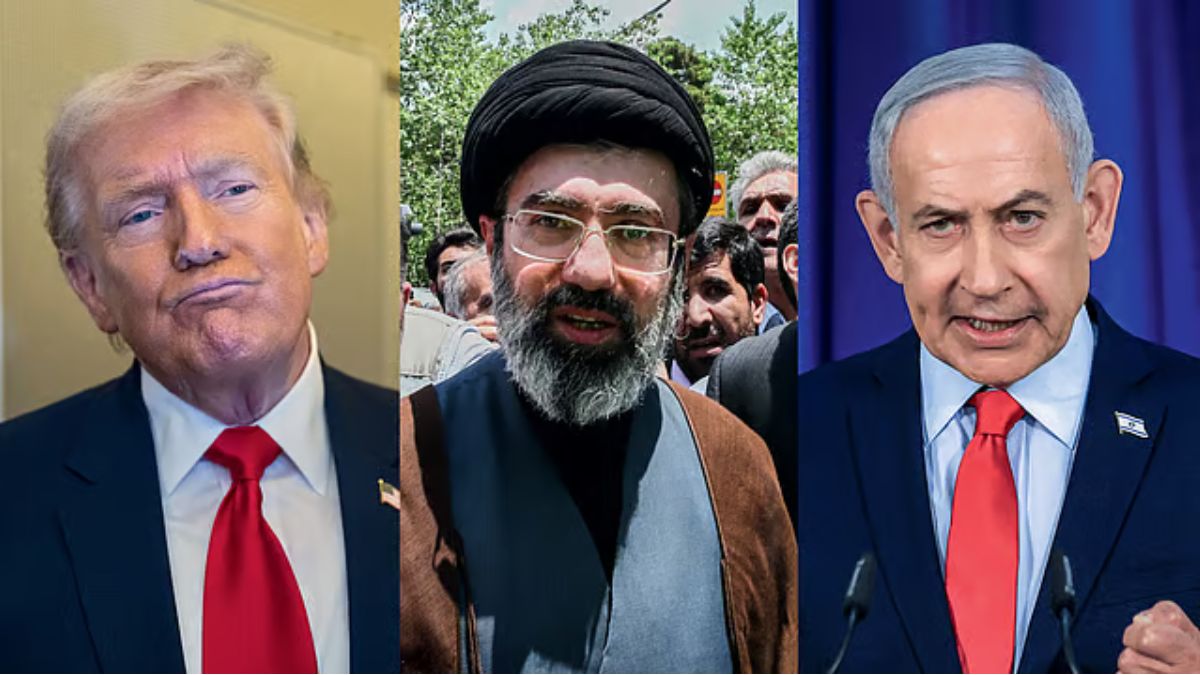
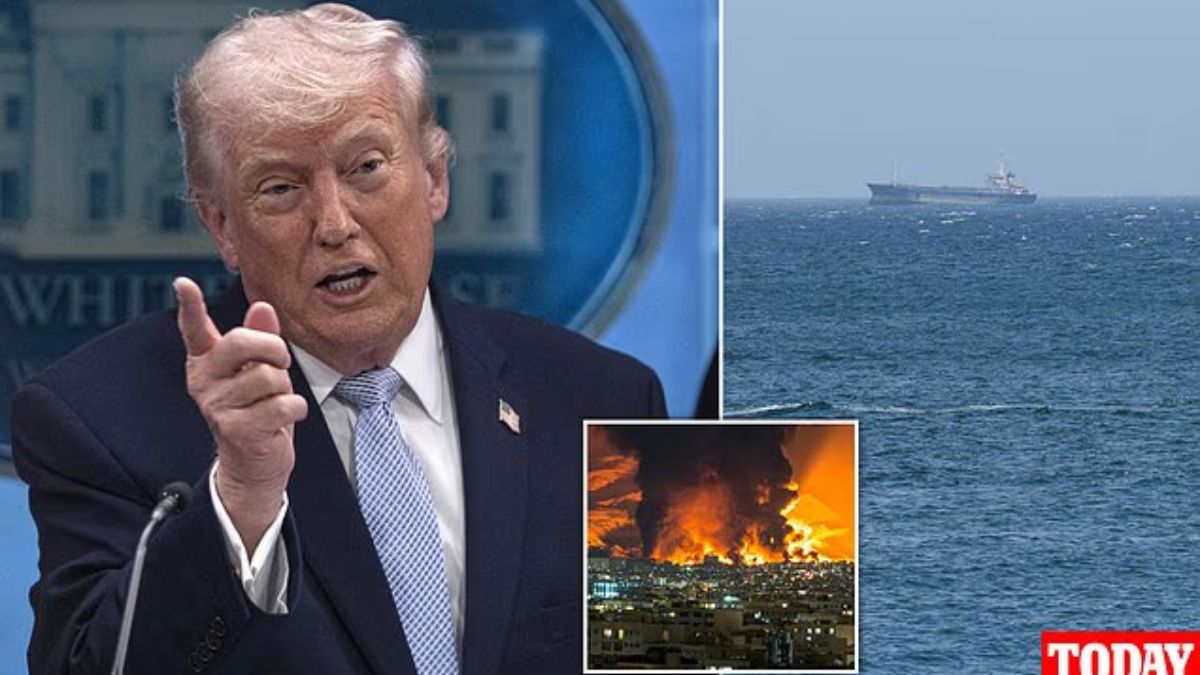
The core of the Kremlin’s statement lies in the phrase “not exhausted.” It suggests a deliberate reading of the situation in Washington and Tehran. Despite the fiery rhetoric from both capitals—President Trump’s “ready, willing and able” stance and Iran’s “fingers on the trigger” warning—Moscow perceives a gap, however small, where diplomacy might still function.
This is likely an assessment that neither side actually wants a full-scale war, but both are trapped in escalatory rhetoric. By publicly highlighting this diplomatic space, Russia positions itself as a potential facilitator or, at the very least, as the rational actor in the room, contrasting with what it portrays as Western impulsiveness.
Navigating a Complex Allyship
The statement also arrives amidst grim reports from inside Iran. Independent groups state that Tehran’s crackdown on domestic protests has left thousands dead. The Kremlin’s call for negotiations focuses solely on the international standoff with the U.S., quietly sidestepping Iran’s internal human rights crisis. This selective emphasis underscores the pragmatic nature of the alliance: Russia is supporting the Iranian state as a geopolitical entity, not necessarily its governing ideology or domestic actions.
The Bottom Line
The Kremlin’s message serves multiple purposes:
- Risk Management: It seeks to prevent a conflict that would severely complicate Russia’s own strategic priorities.
- Positioning: It casts Russia as a responsible global power advocating for reasoned diplomacy over force.
- Alliance Maintenance: It supports its ally Iran by providing a diplomatic off-ramp from threats of war, without endorsing Tehran’s domestic conduct.
In essence, when Moscow says the room for talks is “not exhausted,” it is reading the geopolitical map, protecting its interests, and offering a narrative that favors dialogue—all while navigating the complexities of its partnership with a regime under immense internal and external pressure. The statement is a reminder that in high-stakes global confrontations, the most important messages are often found not in the threats, but in the quiet, calculated calls for de-escalation.
Also Read:
Saudi Arabia Praises Strong Ties With UAE Leadership
Somalia’s Parliament in Turmoil as Lawmakers Clash Over Constitution Changes