Israeli-Backed Group Kills Senior Hamas Police Officer in Gaza


In a sign of Gaza’s complex and volatile internal landscape, a senior Hamas police officer was killed on Monday in the southern city of Khan Younis. The incident has been attributed by Hamas to “Israeli collaborators,” while an anti-Hamas militia has publicly claimed the attack.
According to a statement from the Hamas-run interior ministry, Mahmoud Al-Astal, the head of the criminal police unit in Khan Younis, was shot dead by gunmen firing from a passing car. The ministry described the assailants as “collaborators with the occupation.”
Responsibility for the killing was claimed by Hussam Al-Astal, leader of a small anti-Hamas group based in an area under Israeli control east of Khan Younis. In a video posted on social media, dressed in military attire and holding a rifle, he warned, “To those who work with Hamas, your destiny is to be killed. Death is coming to you.” The shared surname is common in the region.
Reuters noted it could not independently verify the circumstances, and an Israeli military official stated the army was unaware of any operations in the area at the time.
This event highlights the emergence of armed factions opposing Hamas within Gaza, a development that adds pressure on the ruling Islamist group and could further complicate efforts to stabilize the war-shattered territory. While these groups remain small and localized—and are widely unpopular for operating in Israeli-controlled zones—they represent a new element in Gaza’s fractured power dynamics. Hamas has historically met such threats with severe retaliation, including public executions of those accused of collaboration.
The killing occurs against the backdrop of a fragile ceasefire that has been in place since October. Under the truce, Israeli forces have withdrawn from nearly half of the Gaza Strip but retain control over the other half, which has been largely leveled. Nearly all of Gaza’s two million residents are now concentrated in Hamas-held areas, where the group is working to reassert its authority. Four Hamas sources indicated the organization still commands thousands of fighters despite significant losses during the two-year conflict.
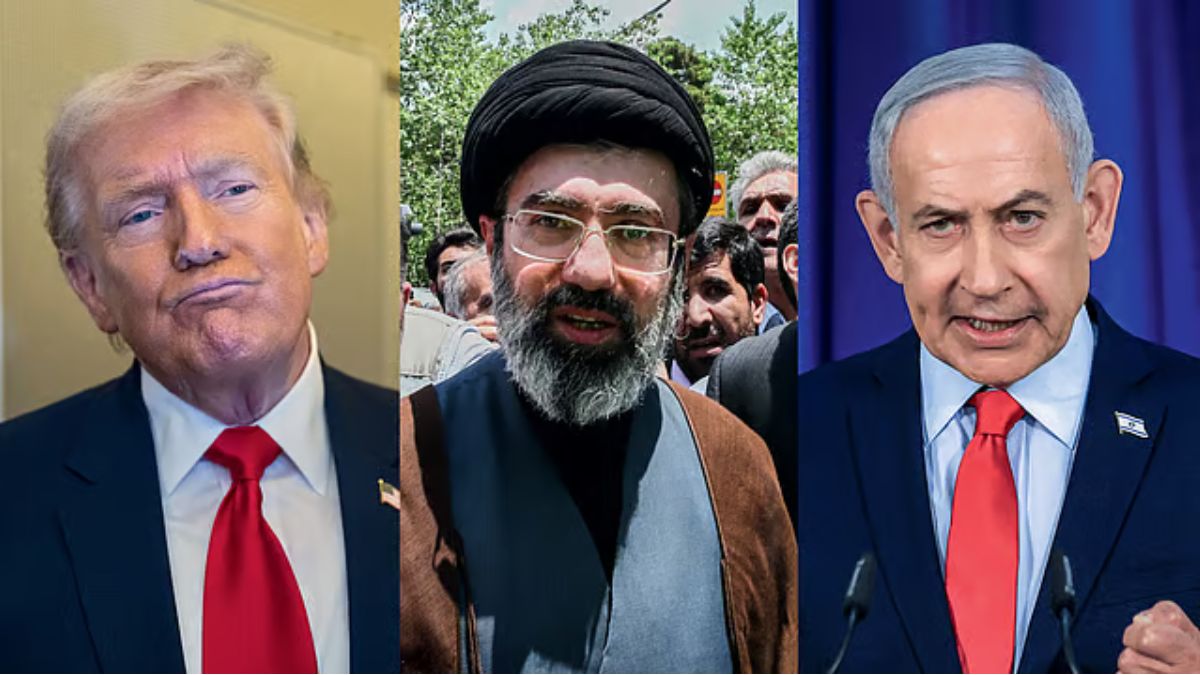
Israeli Prime Minister Benjamin Netanyahu acknowledged in June that Israel has “activated” local clans against Hamas, though details remain scarce. This aligns with the broader outline of U.S. President Donald Trump’s plan for Gaza, which envisions an eventual Israeli withdrawal and Hamas ceding power to an internationally backed administration—a process that has seen no tangible progress.
While the ceasefire has halted major combat, the atmosphere remains tense. Both sides report regular violations, and over 440 Palestinians and three Israeli soldiers have been killed since the truce began. In a separate incident on Monday, Gaza health authorities reported Israeli drone fire killed at least three people near Khan Younis, a claim the Israeli military did not immediately comment on.
The war, which began with Hamas’s October 7, 2023 attack on Israel, has resulted in profound loss. Israeli tallies report about 1,200 killed and 250 taken hostage that day. The subsequent Israeli military campaign in Gaza has, according to the enclave’s health ministry, killed more than 71,000 Palestinians—allegations of genocide and war crimes that Israel denies.
The assassination of the Hamas police officer is a stark reminder that beyond the frontline hostilities, Gaza’s future is being shaped by a shadowy, violent struggle for control from within.
Also Read:
Islamic Military Coalition Hosts International Delegation to Strengthen Ties
Jazan Festival Transforms the Waterfront with Art and Culture