Israel PM Netanyahu Accepts Role on Trump’s Board of Peace
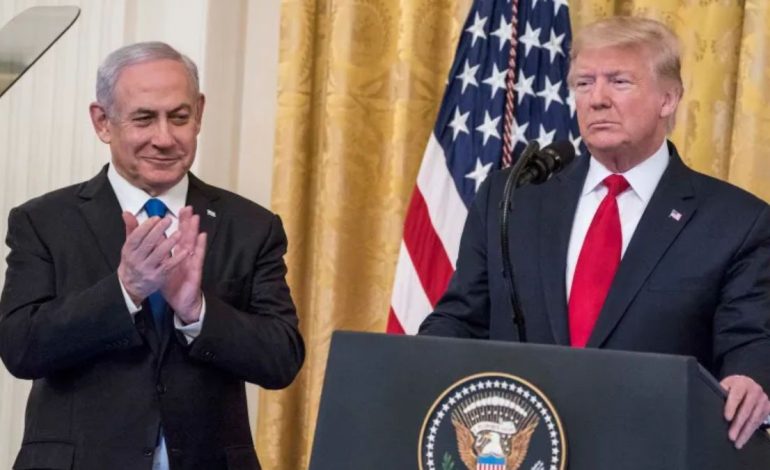

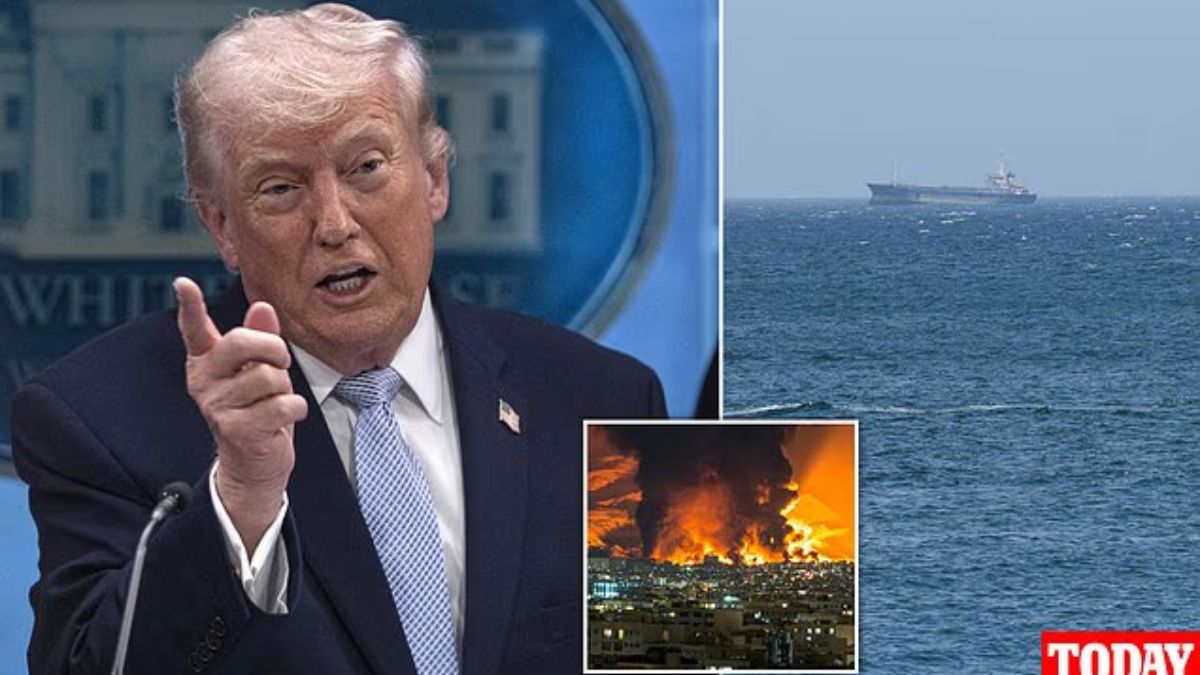
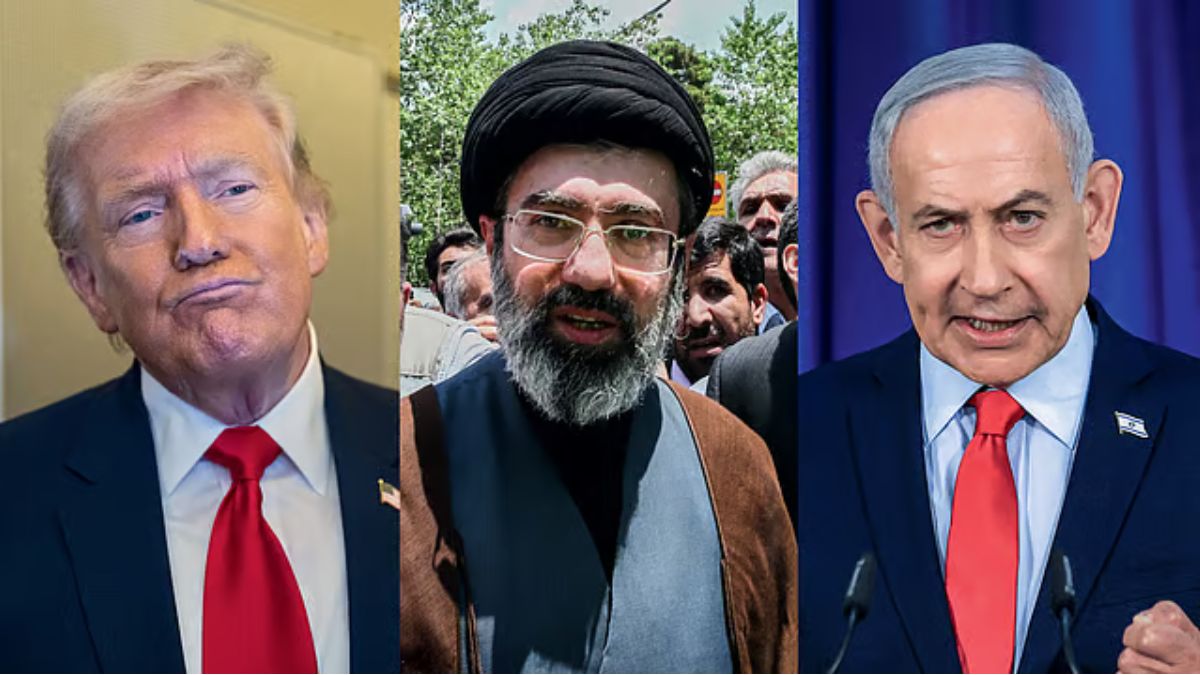
In a move that signals a deepening alignment with a major U.S. diplomatic initiative, Israeli Prime Minister Benjamin Netanyahu announced on Wednesday his acceptance of an invitation to join President Donald Trump’s newly formed “Board of Peace.” This decision comes despite initial objections from his own office regarding the board’s composition.
The board, personally chaired by President Trump, was initially conceived to oversee the implementation of the Gaza ceasefire plan. However, its scope appears to be expanding rapidly, with invitations extended to dozens of nations and ambitions hinting at brokering conflicts well beyond the Middle East.
A Controversial Membership List
Netanyahu’s agreement followed a pointed criticism from his office regarding the board’s executive committee, which includes Turkey—a key regional rival of Israel. His office stated the makeup was “contrary to its policy” and had not been coordinated with Jerusalem, though specific objections were not detailed. The move has also drawn fire domestically; Israel’s far-right Finance Minister, Bezalel Smotrich, has criticized the board, advocating instead for unilateral Israeli control over Gaza’s future.
Israel now joins a growing but eclectic list of members, including the UAE, Morocco, Vietnam, Belarus, Hungary, Kazakhstan, and Argentina. Other major powers like the UK, Russia, and the European Union’s executive arm have received invitations but have yet to respond.
A Challenge to the UN?
The board’s potential role has sparked international controversy. When asked if the body should replace the United Nations, President Trump responded, “It might,” criticizing the UN for not living up to its potential. This remark drew a sharp rebuke from French Foreign Minister Jean-Noel Barrot, who supported the peace plan but firmly rejected “creating an organization… which would replace the United Nations.”
Two Tiers: A Global Board and a Gaza-Specific Executive Body
The structure involves two key entities:
- The overarching Board of Peace: A broad group of nations, chaired by Trump, with expansive, yet still unclear, global conflict-resolution ambitions.
- The Gaza Executive Board: A smaller, operational body tasked with the difficult second phase of the ceasefire. This includes disarming Hamas, deploying an international security force, and overseeing Gaza’s reconstruction. It will be supported by a committee of Palestinian technocrats for day-to-day governance.
This executive board features a mix of U.S. officials like Jared Kushner and Steve Witkoff, international figures like former British PM Tony Blair, and regional players from Turkey, Qatar, Egypt, and the UAE.
A High-Stakes Gamble
For Netanyahu, joining the board represents a strategic bet. It secures Israel a seat at the table in a U.S.-dominated process for Gaza’s future, potentially countering influence from rivals like Turkey. However, it also ties Israel’s fortunes to an untested, controversial mechanism that has raised concerns among traditional allies and is viewed by some as a direct challenge to the post-World War II international order.
As President Trump prepares to unveil more details in Davos, the world watches to see if this “Board of Peace” will evolve into a novel diplomatic forum or remain a symbolic gesture with profound geopolitical ramifications.
Also Read:
Yemen Security Forces Reveal STC Weapons and Explosives Used in Attacks
Trump and Al-Sharaa Call for Stronger Efforts to Keep Syria United