

Israel Hits Tehran During Persian New Year: What Triggered the Airstrikes?
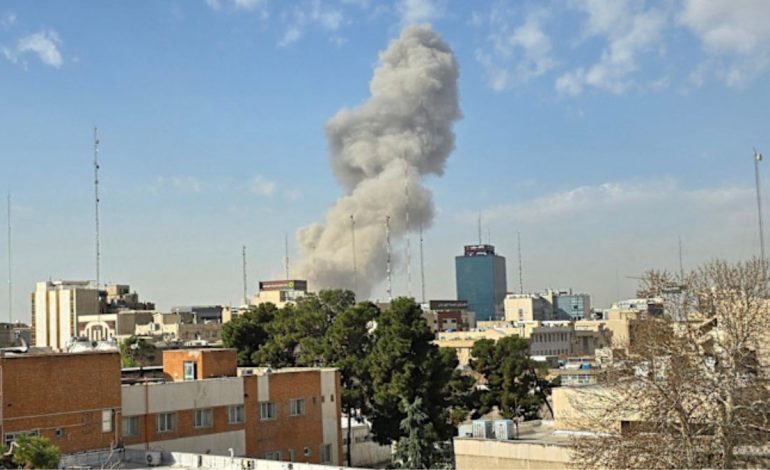

DUBAI – Israel launched airstrikes on Tehran Friday as Iranians marked Nowruz, the Persian New Year, deepening a conflict that has reverberated through global energy markets and threatened to draw the region into wider warfare.
Activists reported hearing explosions around the Iranian capital as the ancient holiday celebration continued. The strikes came a day after Israeli Prime Minister Benjamin Netanyahu pledged to halt further attacks on Iran’s offshore South Pars gas field at the request of President Donald Trump, and as Iran intensified its own assault on oil and natural gas facilities across the Gulf region.
Iran maintained its barrage of missile attacks on Israel throughout the day, triggering sirens and sending millions of people to shelters across northern regions from Haifa to the Galilee to the Lebanese border. More than a dozen missiles were launched Thursday alone, according to Israel’s military, with Friday’s pace suggesting continuation of the Iranian response.
Global fuel supplies face unprecedented pressure from Iran’s control of the Strait of Hormuz, the strategic waterway through which one-fifth of the world’s oil travels. Each escalation in the conflict sends energy prices climbing higher, while Gulf allies increasingly pressure Trump to restrain Netanyahu’s military operations.
At Thursday’s news conference, Netanyahu asserted that Iran’s military had suffered catastrophic damage. “Iran’s air defenses have been rendered useless, their navy is lying at the bottom of the sea, and their air force is nearly destroyed,” he said. He expressed hope that Iranians would rise against their government, though no organized opposition has emerged since authorities suppressed mass protests in January.
Netanyahu’s comments came amid growing tension within the Trump administration. A departing top US intelligence official accused Israel of pushing Trump into the war, while controversy surrounding Israel’s South Pars attacks—which triggered Iran’s retaliatory strikes on regional energy infrastructure—has strained the relationship.
“I misled no one,” Netanyahu insisted, rejecting suggestions he manipulated Trump’s decision-making. “I didn’t have to convince President Trump about the need to prevent Iran from developing its nuclear program.”
The pledge to spare South Pars represents the first restraint on Israeli military operations since the conflict began, though ongoing Iranian strikes suggest the ceasefire on that specific target has done little to reduce overall hostilities.
Also Read:
Qatar Blames Iran for LNG Hub Attack as UAE Halts Gas Operations
Iran Under Pressure as Arab and Islamic Ministers Call for Immediate Ceasefire