

Iraqi Women Mourn Sajida Obaid: The Voice That Brought Freedom

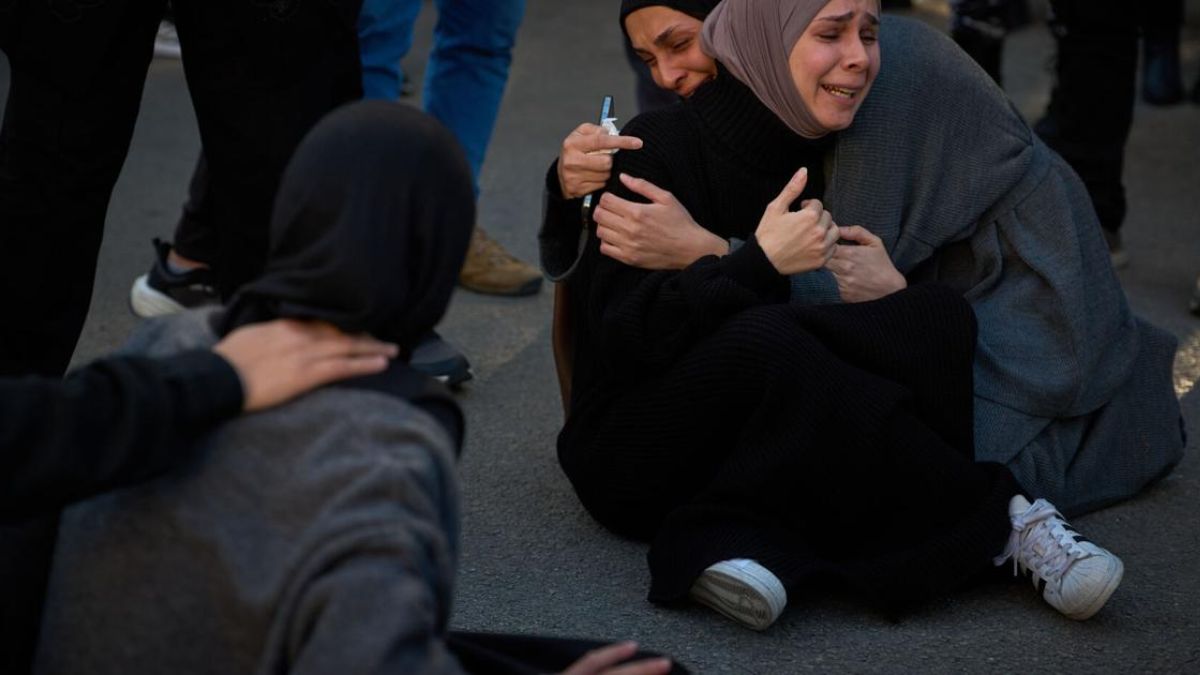
IRBIL — Seven days after legendary Iraqi singer Sajida Obaid died at 68 following a battle with lung cancer, women gathered at her family home in the northern city of Irbil. Wrapped in black veils and abayas, they sat among family members and longtime fans, passing bitter black coffee — the drink of Iraqi mourning — as her music drifted through the space between sobs.
Obaid died on April 4. The news was overshadowed by the Iran war spilling into neighboring Iraq, but for her fans, the loss felt personal. She had given them, for a few hours at a time, something close to freedom.
A Space for Women to Let Loose
In Iraq, where a woman moving through public life carries the weight of constant scrutiny, Obaid decided to hold parties only for women. Every staff member — the DJ, waiters, security, organizers — was a woman. No phones were allowed. To protect the women in the room, their freedom stayed inside those walls.
Women who would never dream of dancing in front of a male audience came. They dressed how they wanted and danced the way they had forgotten they could.
Virgin Jaji, 68, said she has listened to Obaid every morning for years. “Even my parrot only dances to Sajida Obaid’s music. In her women’s parties we danced like we had no cares in the world. We felt free. Truly free.”
Mina Mohammed, 40, recalled: “The first time I heard about a women-only party by Sajida, I borrowed money from friends just to be in that hall.”
A Quick Rise to Stardom
Born in Baghdad in 1957 into a Roma family — known in Iraq as “Kawliya,” a community long tied to music but living at society’s edge — Obaid began singing at 12 to help her family pay bills. By her teens, she was already a known name. Her voice blended the dance rhythms of the Kawliya with the older, tender Iraqi style known as mawal.
By the 1980s, her fame reached Saddam Hussein’s circle. Security guards would pull her from weddings to perform for the dictator’s family. It was the complicated price of being a national star in an era of dictatorship. She traveled the world, performed at international festivals, and sometimes played seven shows a week.
Shrinking Space for Iraqi Women
Her brother and manager, Aayed Awda, said the women-only parties were always special to her. “Those parties were something the women themselves asked for, including women from the most conservative families, because they wanted a place where they could dress freely, move freely, be themselves. Sajida believed deeply in helping women.”
Many Iraqi women feel their rights are receding. Last year, parliament passed amendments that opponents say effectively legalize child marriage and erode rights in divorce and inheritance. “Iraq feels like it’s moving backward,” said Mohammed, who hopes the freedom Obaid created can “be carried forward, even in small ways, like women-only DJ nights with her music.”
A Quiet End
In her final months, Obaid lived quietly in Irbil with her elder brother’s family. She had no children, married twice and divorced twice. About four months before she died, doctors found lung cancer. She still insisted on flying to Canada for a concert, but when she returned for her first chemo session, her body gave up.
Her brother recalled 40 years of working together, bickering over makeup shades and dress colors. “We disagreed on everything,” Awda said, his voice breaking. “And I miss every single one of those arguments.”
On the seventh day, as the drum outside fell silent and the women dried their faces, Leila Botrus, 55, said: “For me and my friends, dancing and Sajida are the same word. She brought people together everywhere she went through joy, through music.”
In that room filled with women sitting close, it felt as though Sajida had left behind exactly what she always gave them: a space of their own.
Also Read:
Why Mali Supports Morocco’s Sovereignty Plan for Western Sahara
Peace Talks Between US and Iran Face Challenges Over Lebanon and Sanctions