
How Iranians Celebrate Eid During the Ongoing Middle East War
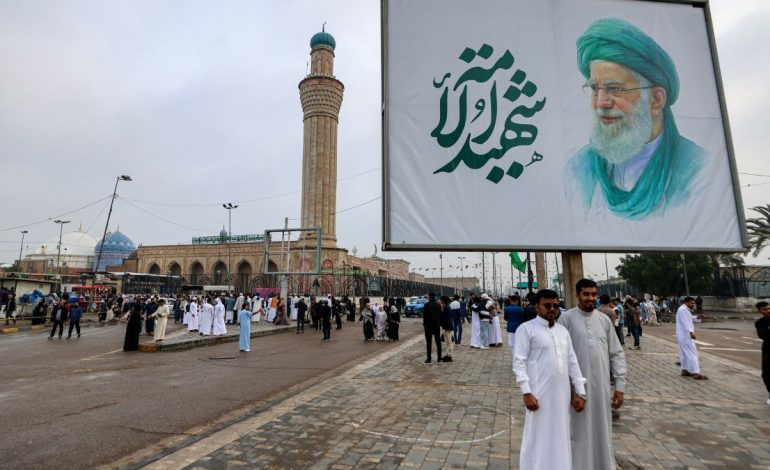

TEHRAN – Thousands of Iranians gathered for Eid Al-Fitr prayers Saturday to mark the end of Ramadan, maintaining religious observance despite continuous aerial bombardment that has devastated the capital since the war began in late February.
Worshippers crowded into Tehran’s Imam Khomeini grand mosque at dawn, with many unable to fit inside the vast structure. State television footage showed dense crowds extending outside the mosque into surrounding areas, creating large gatherings despite the risk posed by ongoing strikes.
Iran’s majority-Shia population marked the holiday a day after most other Muslim-majority nations, which are predominantly Sunni and follow different lunar calendar calculations. The timing difference reflected the country’s distinct Islamic tradition.
The prayer gatherings extended across the nation. State television documented Eid observances in Arak in central Iran, Zahedan in the southeast, and Abadan in the west, showing how religious practice continued despite the national security crisis.
The celebrations occurred against a backdrop of relentless attacks. Overnight strikes targeted multiple districts of Tehran and its surrounding areas, as well as the central city of Isfahan, according to the Fars news agency. The Iranian capital has endured near-daily bombardment since a joint US-Israeli military campaign began February 28, killing senior Iranian officials including the country’s supreme leader.
The juxtaposition of crowded religious gatherings with immediate threats from overhead bombardment illustrated how Iranians continue normal life during wartime. Despite warnings of incoming strikes and the vulnerability of large public assemblies, worshippers gathered to observe one of Islam’s most significant holidays, demonstrating both religious commitment and a determination to maintain cultural continuity amid military conflict.
The decision to hold large public gatherings during active combat operations underscored how conflict has not entirely interrupted traditional observances across the country.
Also Read:
Israel Hits Tehran During Persian New Year: What Triggered the Airstrikes?
Iran War Fallout: How Palestinians Became Unintended Victims