How Iran’s IRGC Rebuilt Hezbollah for a New War Strategy
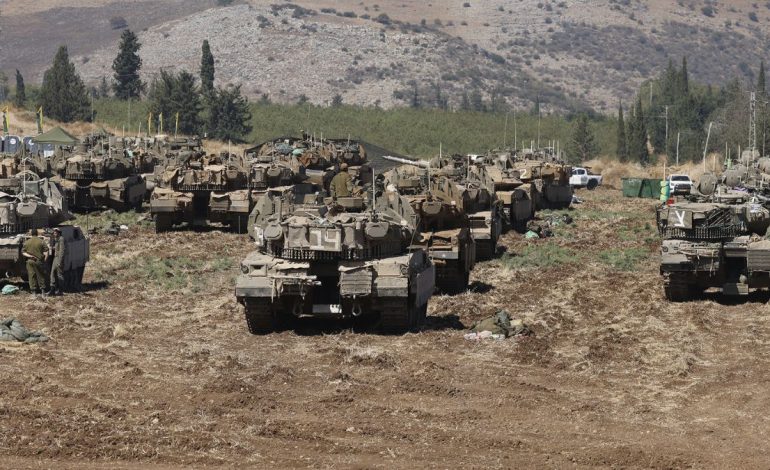

BEIRUT – Iran’s Revolutionary Guards conducted an unprecedented overhaul of Hezbollah’s military structure after Israeli strikes devastated the Lebanese group in 2024, deploying approximately 100 officers to rebuild command hierarchies, retrain fighters, and coordinate new war strategies in preparation for the current conflict.
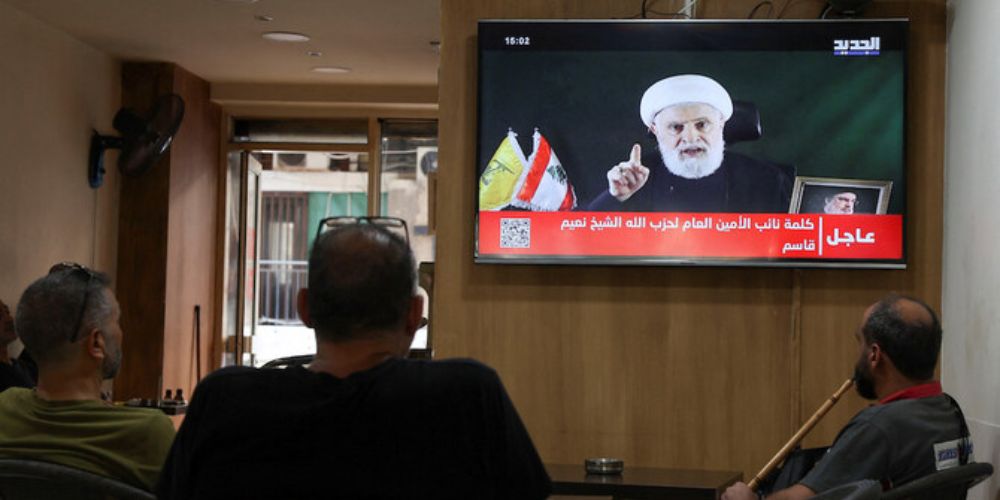
The restructuring marked the first comprehensive reorganization in Hezbollah’s history since its founding by the IRGC in 1982. It came after Israel killed Hezbollah leader Hassan Nasrallah and other senior commanders, exposing command vulnerabilities that had allowed targeted Israeli operations.
The IRGC officers began arriving shortly after a ceasefire in November 2024 and set to work even as Israeli strikes continued. Their efforts included replacing Hezbollah’s traditional hierarchical command structure with a decentralized system comprising small units with limited knowledge of each other’s operations. This “flat system” approach enhanced operational security while preventing single points of failure.
IRGC officers also designed plans for coordinated missile attacks that would be launched simultaneously from Iran and Lebanon—a scenario executed for the first time on March 11. The restructuring and rearmament readied Hezbollah to enter the broader Middle East war on March 2, when it began firing hundreds of missiles at Israel in support of Tehran following US-Israeli strikes on Iran.
The Iranian investment restored Hezbollah’s capability despite the damage inflicted over three years of escalating Israeli operations. An Israeli military spokesperson acknowledged in March that Hezbollah remains a relevant and dangerous force, though its current strength remains below peak levels of earlier years.
The IRGC’s reconstruction efforts created complications for Lebanon’s government and US-backed military, which have been pursuing disarmament of Hezbollah. Lebanon’s government estimated that 100 to 150 Iranian nationals in the country had ties to the Iranian government beyond normal diplomatic functions, including IRGC links. The Lebanese government asked these individuals to leave in early March.
More than 150 Iranians, including IRGC officers, departed Beirut on a flight to Russia on March 7. IRGC members have suffered casualties in Israeli attacks, with roughly 500 killed in the fifteen months between the 2024 ceasefire and the new war’s eruption, and around a dozen more killed since fighting resumed.
The IRGC’s decentralized restructuring model mirrors tactics the Iranian military itself employs. Security analysts note the new Hezbollah command structure resembles the organization’s early 1980s format—small, dispersed cells that are harder to penetrate or disrupt through conventional intelligence operations.
Also Read:
Israel Hits Tehran During Persian New Year: What Triggered the Airstrikes?
Iran War Fallout: How Palestinians Became Unintended Victims