Italy Advises Nationals to Exit Iran Amid Rising Tensions in the Middle East

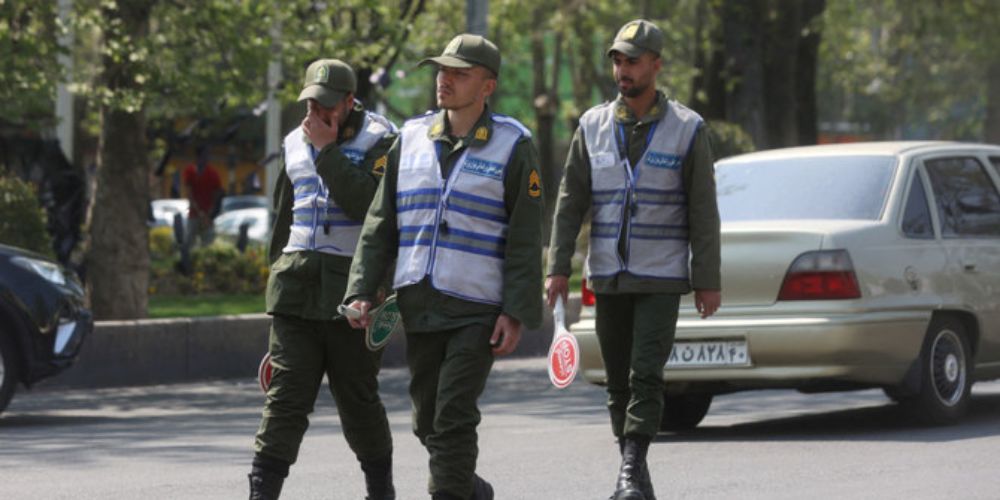
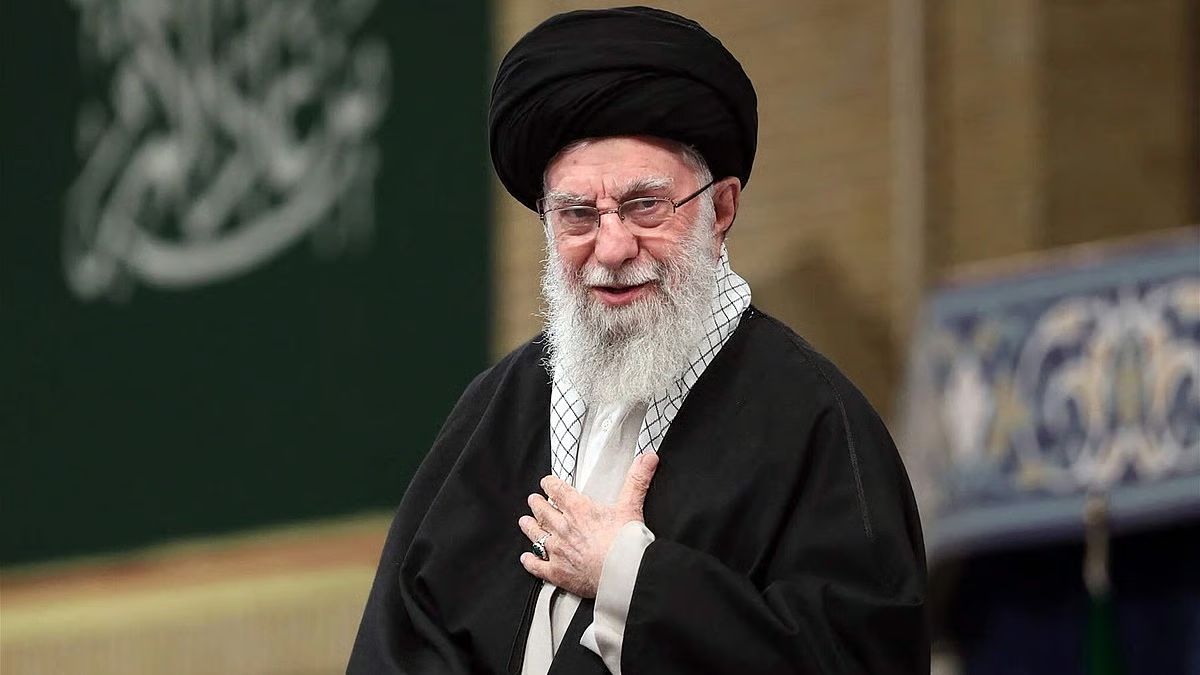
Italy’s foreign ministry on Friday urged its citizens to leave Iran and advised extreme caution across the Middle East, citing persistently unstable security conditions. The advisory marks the latest in a series of similar warnings from Western governments as regional tensions escalate.
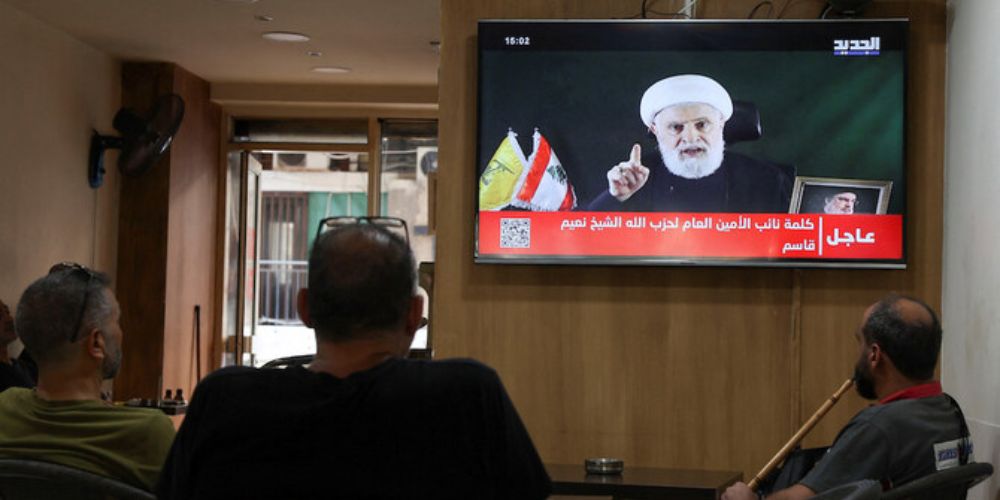
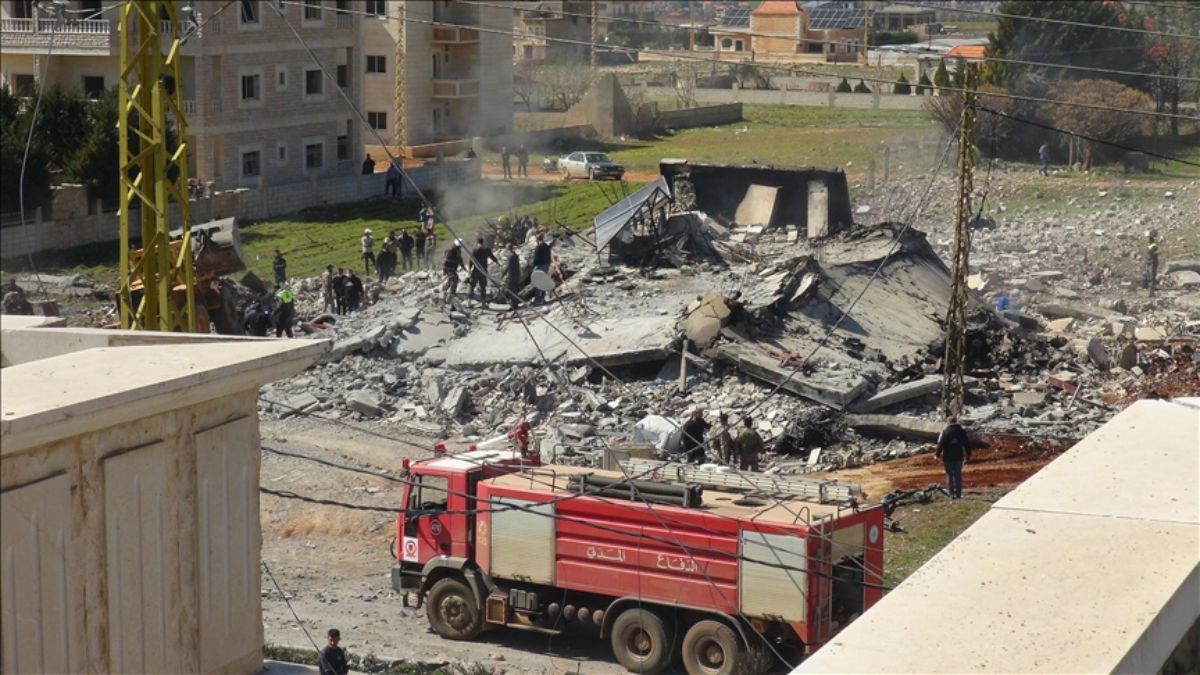
“Italians in (Iran) for tourism or whose presence is not strictly necessary are urged to depart,” the ministry said in a statement. It added that travel to Iraq and Lebanon was also strongly discouraged, while Italian nationals in Israel were advised to “exercise maximum caution and remain vigilant.”
A Pattern of Warnings
Italy’s advisory follows similar moves by other governments. Britain announced Friday that it had temporarily withdrawn its staff from Iran and closed its embassy amid rising regional tensions. The coordinated nature of these actions suggests a shared assessment of increased risk.
The Broader Context
The warnings come as the United States has built up a large military presence across the Middle East ahead of a possible strike on Iran. Talks between Washington and Tehran over Iran’s nuclear ambitions continue with no sign of a breakthrough, and President Donald Trump has warned that “really bad things will happen” without a deal.
The combination of diplomatic stalemate and military buildup has created an atmosphere of heightened alert. Governments are taking no chances with their citizens’ safety, urging departure while commercial flights remain available.
What It Means
For Italians in Iran, the message is clear: leave now, while leaving is possible. For those elsewhere in the region, caution is the watchword. The advisory does not predict imminent conflict, but it reflects a judgment that the risk has crossed a threshold requiring official warning.
In Tehran, the Italian embassy will continue operations with reduced staff. In Rome, officials monitor developments. And across the Middle East, nationals of multiple countries are being told that the situation is stable—but not stable enough to stay.
Also Read:
Saudi FM Holds Key Phone Conversations with Turkey, Oman and Egypt Officials
How Guidance Programs at the Two Holy Mosques Support Pilgrims