



What the 1.8% Inflation Rate Means for Consumers in Saudi Arabia
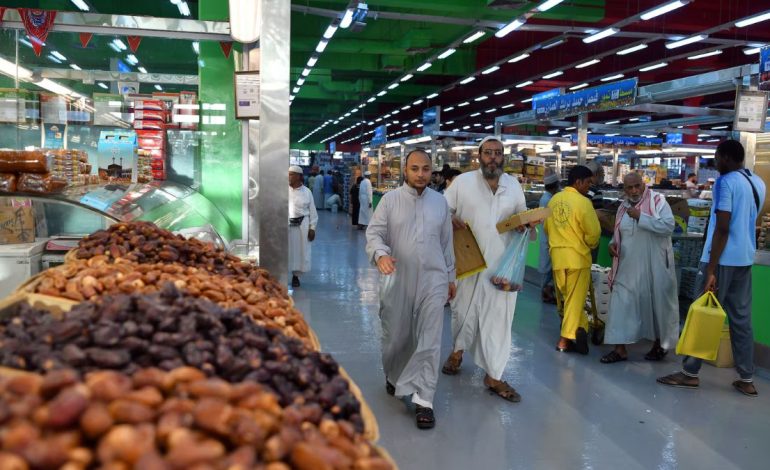

Saudi Arabia’s inflation rate softened to 1.8 percent in January, official data showed, signaling that price pressures remain largely contained even as housing costs continue to climb. The figure, released by the General Authority for Statistics, aligns closely with International Monetary Fund projections that the Kingdom would maintain annual inflation around 2 percent in 2026.
For consumers, the headline number tells only part of the story. Beneath the surface, price movements varied significantly across categories—some rising, others falling, and a few holding steady.
Housing Leads the Way
The primary driver of January’s inflation was housing. Prices for housing, water, electricity, gas, and other fuels rose 4.2 percent compared to the same month last year. Within that category, actual residential rents increased 5.2 percent—a reflection of continued demand in the Kingdom’s property market.
For renters, this translates to real-world pressure. For homeowners, it represents an appreciating asset. Either way, housing remains the most significant factor in the cost-of-living equation for most Saudi residents.
Other Gainers
Transport prices rose 1.5 percent year on year, adding to commuting and logistics costs. Restaurant and accommodation services increased 1 percent—modest but noticeable for those dining out regularly.
More substantial increases appeared in less universal categories. Personal care, social protection, and miscellaneous goods and services jumped 7.9 percent. Insurance and financial services costs rose 3.3 percent. Recreation, sport, and culture increased 2.3 percent, driven largely by a 3.7 percent rise in package holiday expenses. Education services climbed 1.6 percent, reflecting higher secondary education costs.
Stability and Decline
Food and beverage prices, often a source of volatility, increased just 0.2 percent year on year—a figure that will offer relief to household budgets. On a monthly basis, they actually fell 0.6 percent from December, suggesting some softening at the checkout counter.
Furnishings and household equipment prices dipped 0.3 percent, while healthcare expenses declined 0.1 percent. Information and communication costs slipped marginally. Education, furnishings, and tobacco prices remained largely unchanged on a monthly basis.
The Wholesale Picture
Beyond consumer prices, the Wholesale Price Index rose 2.9 percent in January compared to the same month last year. This measure, which tracks prices at an earlier stage in the supply chain, can signal future consumer price movements.
Other transportable goods—excluding metal products, machinery, and equipment—climbed 4.9 percent. Agricultural and fishery products rose 4.2 percent. Metal products, machinery, and equipment increased 1.2 percent. Food products, beverages, tobacco, and textiles posted a modest 0.3 percent gain.
On a monthly basis, the wholesale index rose 1.5 percent from December, driven largely by the transportable goods category.
What’s Costing More, What’s Costing Less
GASTAT’s detailed price tracking revealed notable movements in specific items. Local watermelon recorded the largest monthly increase at 7.5 percent, followed by local black eggplants at 6.5 percent, local okra at 6.3 percent, and Indian pomegranates at 6.1 percent.
Conversely, several items posted sharp declines. Abu Sorra Egyptian oranges fell 28.2 percent, Pakistani mandarins dropped 21.3 percent, and green beans declined 12.3 percent. For shoppers willing to adjust their produce selections based on price, these swings offer opportunities.
The Bottom Line
At 1.8 percent, Saudi Arabia’s inflation remains mild by both historical and international standards. The figure reflects an economy with contained price pressures, even as specific categories—particularly housing—continue to trend upward.
For consumers, the message is nuanced. Overall purchasing power is not eroding rapidly. But for those paying rent, booking travel, or purchasing personal care items, the experience may feel somewhat different from the headline number.
As the IMF projected and January’s data confirms, 2026 is shaping up as a year of stable prices in the Kingdom. Whether that stability translates into household comfort depends, as always, on where individual spending falls in the gap between rising rents and falling oranges.
Also Read:
What Safran’s New Morocco Facility Means for the Aerospace Industry
Green Initiative: 10,000 Arta Trees Planted in King Abdulaziz Royal Reserve