
IMF Says Lebanon Needs Major Reforms to Restore Economic Growth

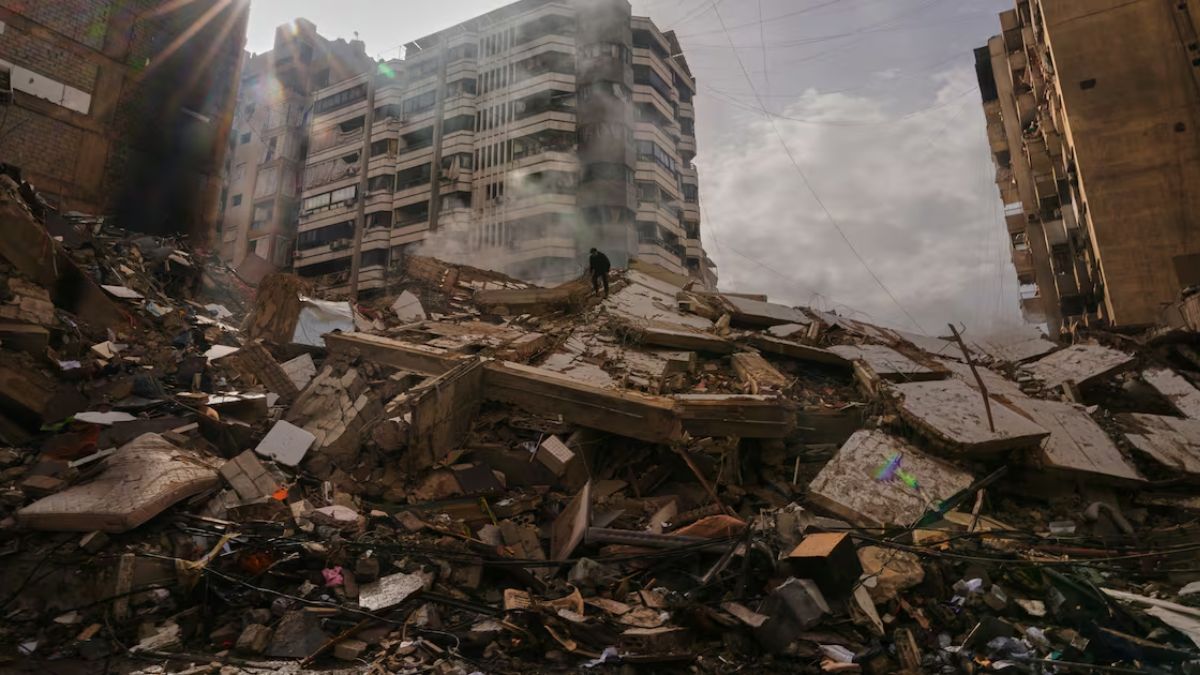
Lebanon’s economy has shown surprising resilience despite ongoing regional conflicts, with a modest tourism rebound offering a glimmer of hope. But according to the International Monetary Fund, sustainable recovery will require far more than seasonal visitors—it demands comprehensive structural reforms.
IMF spokeswoman Julie Kozack told reporters Thursday that the Fund remains in discussions with Lebanese authorities following their March 2025 request for an IMF-supported program. A staff mission visited Beirut in early February, continuing a dialogue that has stretched for years without producing a final agreement.
Two Critical Priorities
Kozack identified the core issues under discussion: banking sector restructuring and a medium-term fiscal strategy. These twin challenges represent the most significant obstacles to Lebanon’s economic recovery—and the areas where reform has proven most elusive.
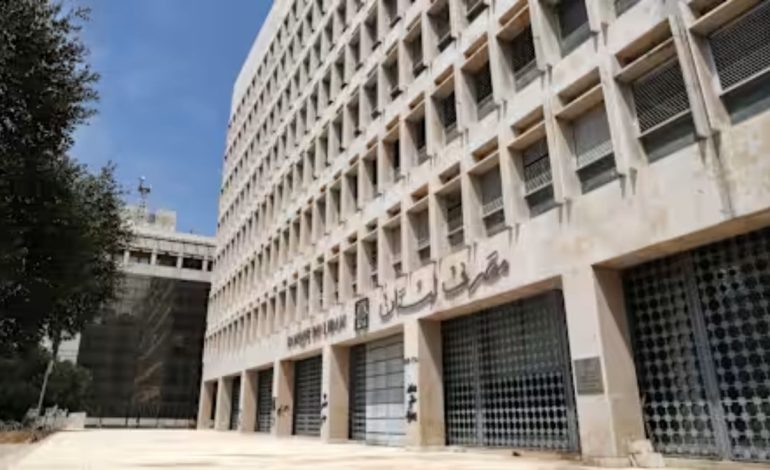
The banking sector, once the engine of Lebanon’s economy, collapsed alongside the currency in 2019. Depositors remain locked out of their savings. Banks have ceased normal lending. Restructuring this sector requires confronting impossible choices about who bears losses: depositors, shareholders, or the state.
A medium-term fiscal strategy means, in practical terms, bringing government spending in line with revenue, addressing the massive public debt, and creating a sustainable framework for future budgets. Every Lebanese government since the crisis began has struggled to achieve this, blocked by political divisions and the sheer scale of the challenge.
A Fragile Rebound
Kozack acknowledged that tourism has fueled “a bit of a rebound” in economic activity. Visitors have returned to Beirut’s restaurants and nightlife, to the mountains and the coast. But this revival is fragile, dependent on security holding and sentiment remaining positive. It cannot substitute for fundamental reform.
The Long Road
Lebanon’s request for an IMF program dates to March 2025—nearly a year ago. The negotiations since then reflect both the complexity of the issues and the difficulty of achieving political consensus on painful measures. Banking restructuring and fiscal reform are not abstract policy choices. They determine who loses money, who retains privileges, and who bears the burden of adjustment.
For ordinary Lebanese, the stakes are existential. The currency’s collapse wiped out savings. Inflation eroded purchasing power. Emigration drained talent. Each year without reform deepens the damage and extends the recovery timeline.
The IMF’s message is consistent with what it has said for years: Lebanon needs comprehensive reforms. The resilience Kozack cited is real, but resilience is not recovery. And recovery, without reform, remains out of reach.
Also Read:
Growing Saudi–Kazakhstan Partnership Marked by Presidential Message
Lebanon Defends Tax Reform Plan Amid Growing Economic Pressure