How the Historic Bab Al-Bunt Was Reborn as the Red Sea Museum in Jeddah
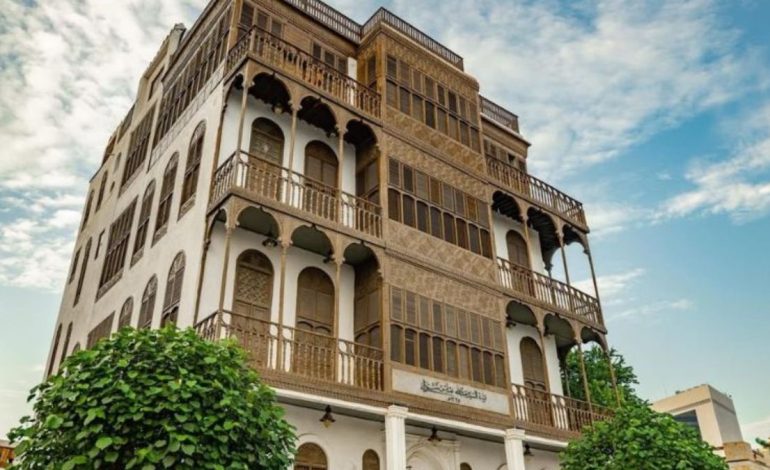

In the heart of Historic Jeddah, a landmark has been gracefully awakened. The centuries-old Bab Al-Bunt building, originally constructed in 1866 as a bustling port gateway for pilgrims and travelers, has reopened as the Red Sea Museum. This transformation represents more than a restoration—it is a vibrant dialogue between heritage and horizon, carefully bridging Jeddah’s storied past with its dynamic cultural future.
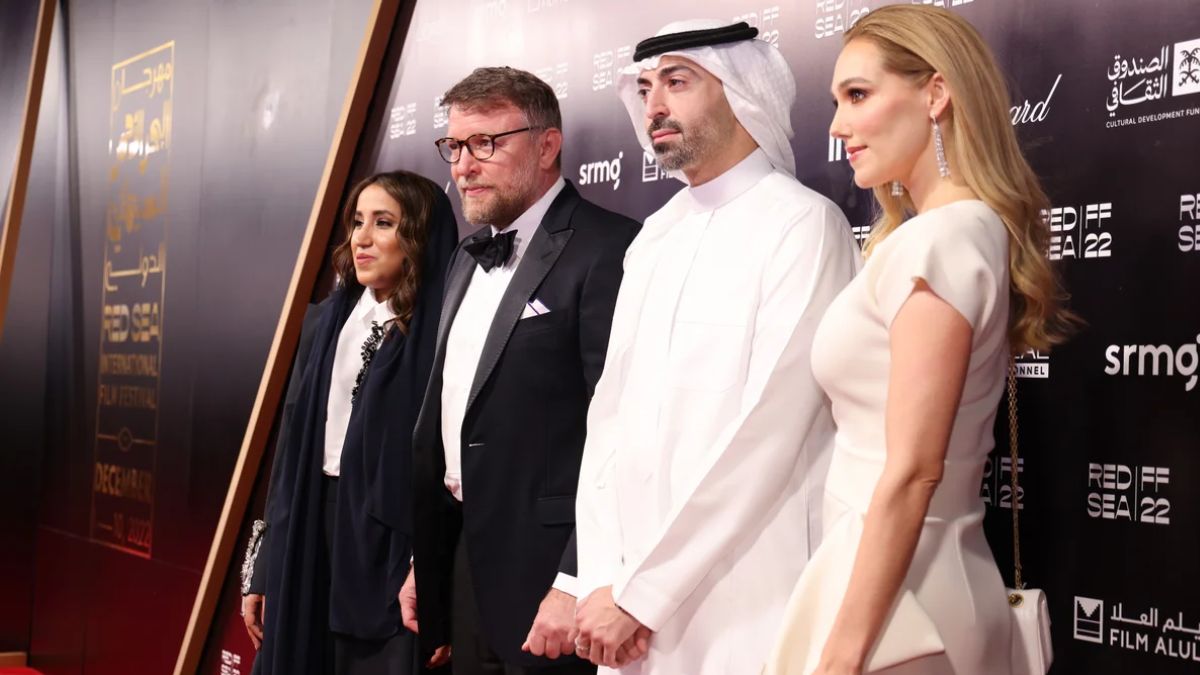
The exclusive preview on Saturday evening, attended by Prince Saud bin Mishaal bin Abdulaziz and Prince Badr bin Abdullah bin Farhan, Minister of Culture, marked the culmination of years of meticulous work. Prince Badr emphasized that the museum provides “a broad space for creativity” and serves as a platform for civilizational dialogue, reflecting the Kingdom’s deep commitment to preserving both cultural and natural heritage.
A Restoration Rooted in Respect
Eman Zidan, Director of the Red Sea Museum, highlighted the painstaking approach taken to honor the building’s origins. Original materials like coral stone and concrete were used, guided by thorough studies from architects and heritage specialists. “Now the museum speaks to the people and the community,” Zidan explained, “telling the stories of pilgrimage, biodiversity, maritime exchange, and the open dialogue between the countries on the Red Sea.”
A Living, Multisensory Experience
The museum is designed as an immersive journey. Its seven thematic sections and 23 galleries display over a thousand artifacts, ranging from historical manuscripts and coral specimens to contemporary artworks. But it is the integration of sound and collaboration that truly brings the space to life.
In a powerful symbolic act, the museum commissioned the Red Sea Symphony—a seven-movement piece representing each of the Red Sea nations, performed at the opening by the renowned Silk Road Ensemble and a children’s choir. “This is the kind of rebirth of music that unites people,” Zidan noted.
Collaborations with local artisans like Ahmad Angawi, founder of Zawiya97, further root the museum in its environment. Angawi shared how he drew inspiration from the sea’s waves and marine life to create works that harmonize with the museum’s view and geometry. “Each design works with the museum team to develop a full story and narrative,” he said.
An Open Door to Community and Future
Ibrahim Alsanousi, CEO of the Museums Commission, captured the museum’s essence: “We hope first and foremost that it is an open and accessible museum, a living space where people feel welcome and a sense of belonging.” He expressed hope that this revival could inspire more museums in the historic district, as ongoing excavations continue to uncover artifacts worthy of display.
The Red Sea Museum stands today not as a silent archive, but as a thriving cultural anchor. It honors the legacy of Bab Al-Bunt as a gateway—once for those arriving by sea, now for minds and hearts exploring the rich, interconnected heritage of the Red Sea. In restoring stone and coral, the Kingdom has also renewed a timeless conversation between land, sea, and people.