


Over 17,000 Safety and Health Inspections Completed in Madinah Ahead of Ramadan
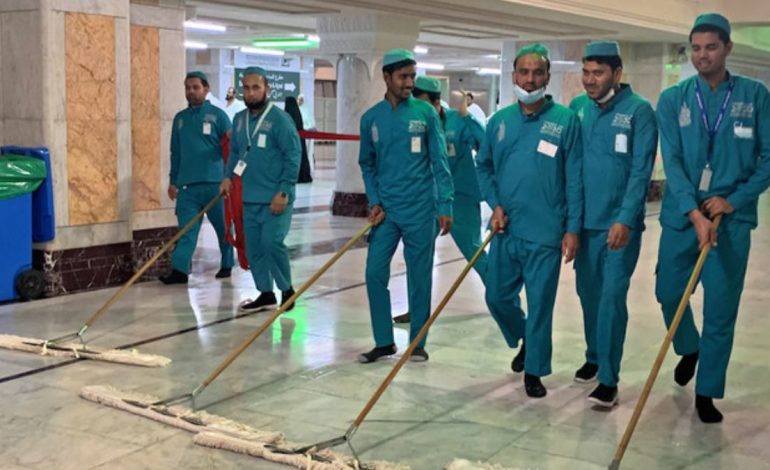

As the holy month of Ramadan began Wednesday, the city of Madinah stands ready to welcome the millions of visitors who flock to the Prophet’s Mosque during this sacred season. Behind the scenes, a massive operational effort has been underway to ensure their safety, health, and comfort.
The Ministry of Municipalities and Housing, through the Madinah Regional Municipality, has completed more than 17,000 safety and health inspections in preparation for the influx. The inspections targeted both health-related activities and commercial establishments, part of an integrated system designed to maintain standards during one of the busiest periods of the year.
The Scale of Preparation
More than 5,700 personnel are deployed as part of the operational plan, supported by over 1,230 pieces of equipment and machinery. These numbers reflect both the scale of the challenge and the municipality’s capacity to manage the expected crowds and increased activity.
The work focuses on several key areas: health and commercial inspection tours, raising compliance levels with regulatory requirements, and boosting oversight of activities related to public health and food safety. The goal, according to the Saudi Press Agency, is to ensure “a safe and healthy environment” for all visitors.
By the Numbers
The inspection campaign has been comprehensive. More than 13,000 inspections targeted health-related activities, while nearly 4,000 covered commercial establishments. Additionally, 8,000 food and water samples are being collected to verify compliance with approved health standards—a critical measure given the large numbers of people who will break their fast together in the city.
The inspection system operates on precise performance indicators, allowing authorities to track compliance, identify issues, and respond quickly to any violations that could affect public health.
Emergency Preparedness
Beyond routine inspections, the ministry has enhanced the readiness of emergency teams by implementing 12 alternative plans. These contingency measures ensure rapid response to emergencies and continued efficient delivery of municipal services during peak times.
For a city that hosts millions of visitors annually, the ability to adapt to unexpected situations is as important as the routine preparations. The alternative plans provide redundancy and flexibility, allowing services to continue even if primary systems are disrupted.
A Sacred Responsibility
For Madinah, the second holiest city in Islam, hosting visitors during Ramadan carries profound significance. Many Muslims save for years to spend part of the holy month in the city of the Prophet. Their experience—the cleanliness of the streets, the safety of the food, the reliability of services—shapes not only their comfort but their spiritual journey.
The municipality’s preparations reflect an understanding of this responsibility. The inspections, the personnel, the equipment, the contingency plans—all serve a purpose beyond municipal administration. They enable worship. They facilitate devotion. They honor the sacred.
As Ramadan begins and the first visitors arrive, the work continues. Inspectors will remain vigilant. Emergency teams will stand ready. And millions of Muslims will pray in a city prepared to receive them.
Also Read:
Growing Saudi–Kazakhstan Partnership Marked by Presidential Message
Lebanon Defends Tax Reform Plan Amid Growing Economic Pressure