


Iran Threatens Oil Export Halt: Global Markets Face Supply Disruption

Iran’s Revolutionary Guards announced Tuesday that they will not allow oil exports from the region to United States and Israeli allies as long as the war continues. The threat threatens to severely disrupt global crude oil supplies and raise energy prices worldwide.
Oil Export Blockade Declared
Revolutionary Guards spokesman Ali Mohammad Naini stated: “The Iranian armed forces will not allow the export of a single liter of oil from the region to the hostile side and its partners until further notice.” The blockade will remain in effect based on conflict conditions.
The threat extends Iran’s strategy beyond direct military operations to economic warfare. Oil exports represent a critical revenue source, making the threat a significant sacrifice.
Strait of Hormuz Under Pressure
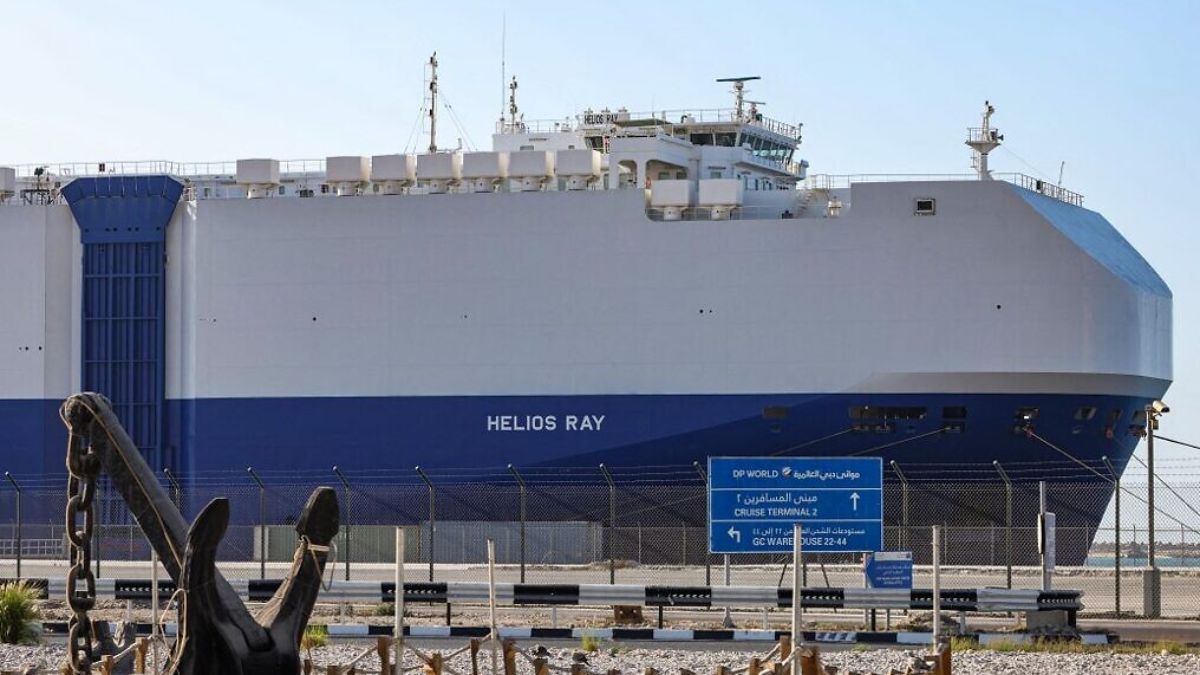
Shipping traffic through the strategic Strait of Hormuz, which handles nearly 20 percent of global crude oil, has been severely disrupted. Iranian forces have repeatedly targeted oil tankers passing through the waterway since the war began.
The combination of military threats and export restrictions creates a two-pronged supply crisis. Tanker operators face both direct targeting and reduced shipping capacity from port restrictions.
Oil Prices Spike Dramatically
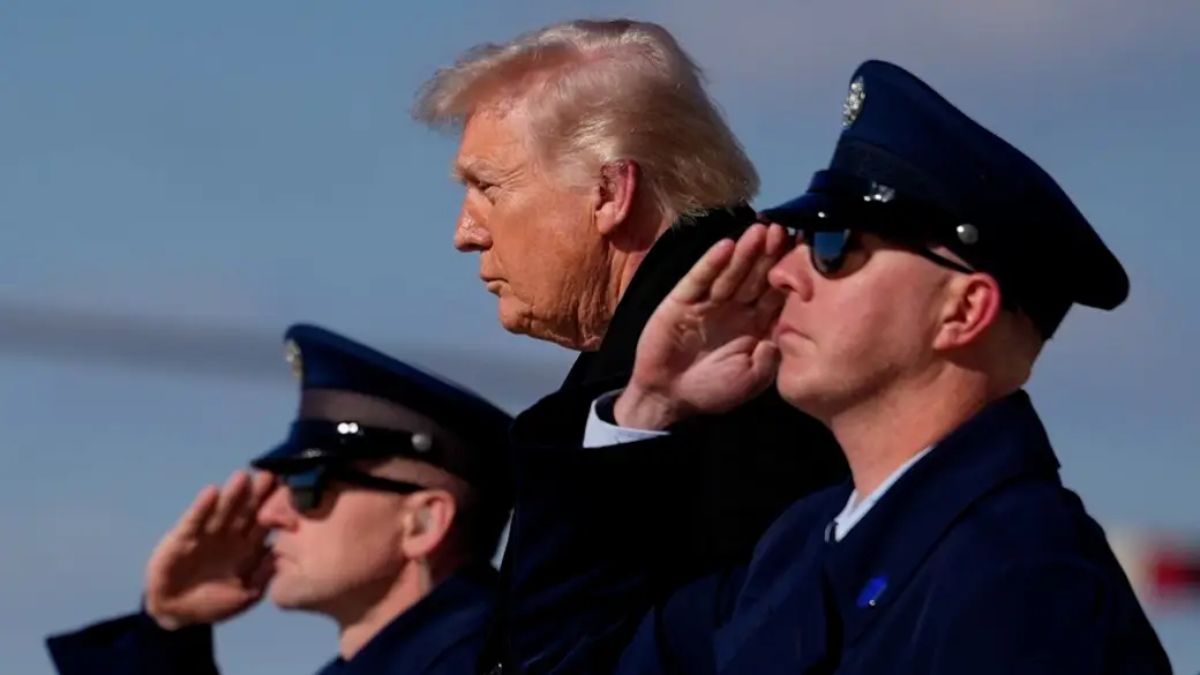
Crude oil prices have risen dramatically to over $100 per barrel—the highest level since Russia’s 2022 invasion of Ukraine. Prices briefly reversed Monday after President Trump announced military operations would end soon.
Global energy markets remain volatile as investors assess supply continuity. The price increases ripple through economies dependent on affordable energy.
Iran Dismisses Price Control Efforts
Naini dismissed international attempts to stabilize oil prices, saying: “Their efforts to reduce and control the price of oil and gas will be temporary and fruitless.” He emphasized that wartime trade depends on security conditions.
The statement signals Iran’s determination to maintain maximum pressure regardless of economic consequences. Iran views energy leverage as a strategic weapon in the conflict.
Revolutionary Guards’ Demands
The Revolutionary Guards issued an ultimatum Monday, offering a trade-off to other nations: “Any Arab or European country that expels the Israeli and American ambassadors from its territory will have complete freedom and authority to pass through the Strait of Hormuz starting tomorrow.”
The proposal attempts to drive a wedge between regional governments and Western powers. It presents nations with a choice between alliance relationships and energy security.
Global Economic Impact
The oil supply disruption threatens inflation worldwide and could slow economic growth in nations dependent on affordable energy. Industrial sectors and transportation face rising fuel costs.
Developing nations particularly vulnerable to energy price shocks may face severe economic hardship. The crisis demonstrates how regional conflicts affect global economic stability.
Uncertainty Ahead
The duration and scope of Iran’s oil export restrictions remain unclear. Global markets await clarity on whether sanctions will affect only Western allies or broader international shipping.
The crisis underscores Middle Eastern instability’s reach into global energy markets and economic systems. Long-term oil supply security depends on eventual regional de-escalation.
Also Read:
Rising Tensions in the Middle East: Arab League Calls Meeting After Iran Strikes
Iran Issues Apology to Neighboring Nations Following Regional Attacks