
UN Official Warns: Gaza Left in Ruins After Ongoing Conflict
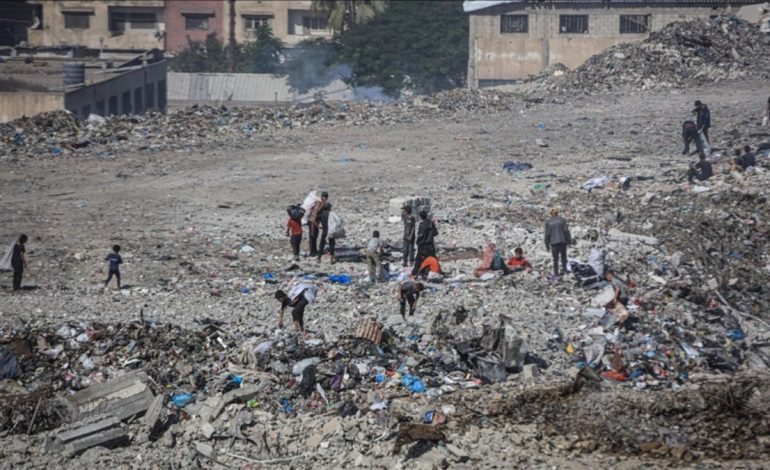

The words of a senior United Nations official who walked through Gaza this week paint a picture almost beyond comprehension. “Total destruction, not much is standing,” said Jorge Moreira da Silva, head of the UN Office for Project Services (UNOPS). His description moves beyond statistics into the grim reality of life for Palestinians in the strip: an “inhumane situation.”
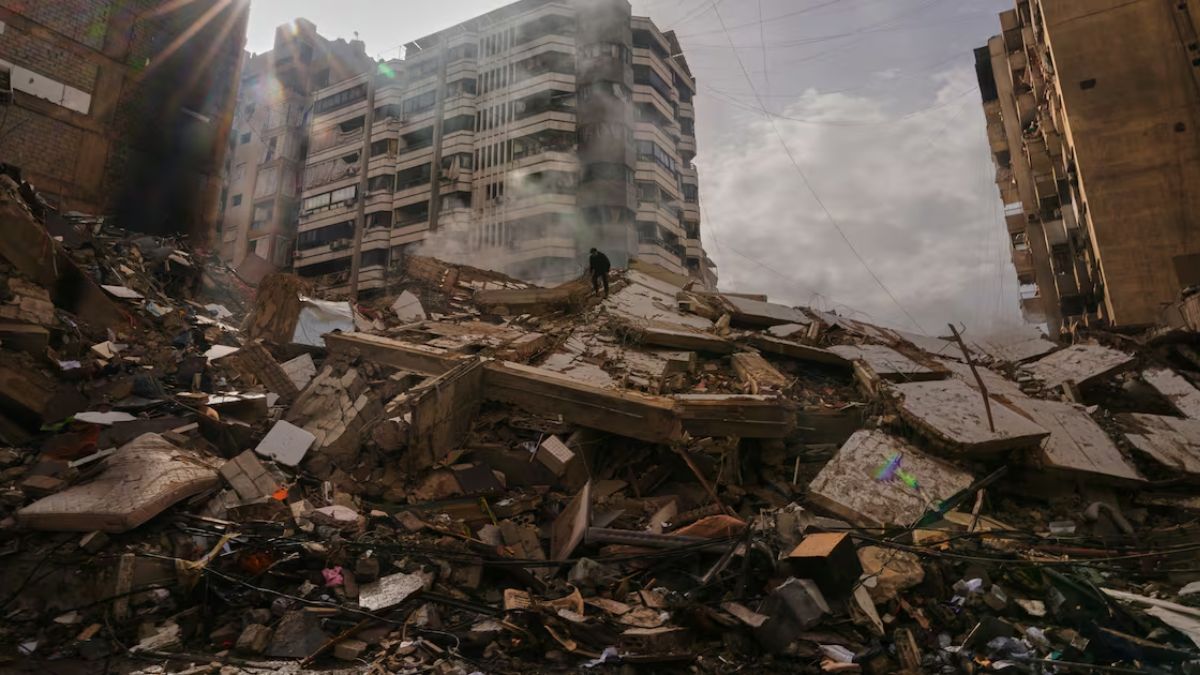
Even as a US-backed truce enters its second phase—a moment da Silva calls “historical”—the scale of the devastation left by two years of war overwhelms the senses. The conflict has not just damaged Gaza; it has largely erased it. Vast areas lie in ruins, with entire neighborhoods, hospitals, schools, and the fundamental networks of life—water, electricity, sanitation—smashed. Hundreds of thousands now survive in makeshift shelters amid the debris.
The Staggering Scale: $52 Billion and 60 Million Tons of Rubble
The figures associated with this catastrophe are staggering. A joint assessment by the World Bank, the UN, and the European Commission estimates the cost of reconstruction at $52 billion. But perhaps a more visceral indicator is the 60 million tons of rubble that now floods the territory.
This rubble is not just an obstacle; it is a lethal hazard. It contains unexploded ordnance, dangerous waste, and, tragically, human remains. Clearing it is a monumental task of logistics, safety, and profound respect.
A Call for Immediate Action: Recovery Cannot Wait
Da Silva’s central plea is one of urgent pragmatism. “We can’t wait, we can’t procrastinate.” He emphasizes that while the “big reconstruction” requires billions and a long-term political framework, “early recovery” requiring millions must begin immediately.
His list of urgent priorities is a stark outline of a society pushed to the brink:
- Fuel: The lifeline for generators powering what little electricity exists.
- Demining: Essential to make areas safe for both aid workers and returning families.
- Water Networks: Rebuilding pipes and plants to prevent disease.
- Unrestricted Aid: Allowing in the equipment, spare parts, and supplies humanitarian groups have long said are obstructed.
The Path Forward Amidst Dispute
The launch of Phase Two of the truce aims to pave a way toward reconstruction and demilitarization. Yet, the fundamental dispute that has crippled aid efforts persists. Humanitarian organizations consistently cite Israeli restrictions on the entry of critical materials as a primary barrier. Israel states its oversight is necessary for security.
Rebuilding Gaza is not merely a construction project; it is an immense humanitarian, logistical, and political endeavor. It requires not just funds and cement, but sustained access, cooperation, and a commitment to translating a fragile truce into a stable environment where rebuilding is even possible.
The ruins of Gaza stand as a testament to profound loss. The warning from the UN official is clear: the world must seize this moment to start the painstaking work of recovery. The alternative is to leave millions living indefinitely in an inhumane landscape of their own shattered homes. The task is daunting, but the need for immediate action is undeniable.
Also Read:
Saudi Arabia and Italy Discuss Human Rights Cooperation in Riyadh Meeting
Dolphins Appear in Pods, Creating Joy for Visitors in Al-Lith