

Why the Gaza Ceasefire Is Falling Apart as Violence Grows
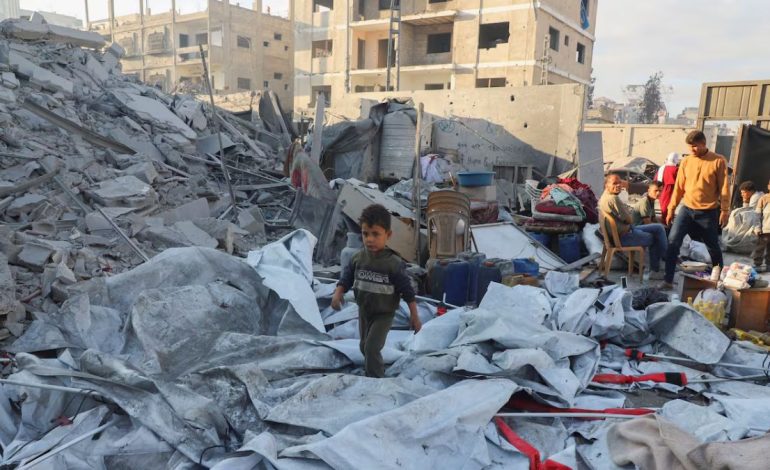

The word “ceasefire” still hangs in the air over Gaza, but for families burying their dead and doctors receiving the wounded, it rings hollow. A U.S.-brokered truce that took effect last October, hailed as a path to a “Strong, Durable, and Everlasting Peace,” is visibly crumbling under the weight of unmet promises, daily violence, and a profound crisis of trust.
While the agreement successfully secured the release of living hostages held by Hamas and thousands of Palestinian prisoners from Israeli jails, its broader ambitions have stalled. The larger architecture of the deal—Hamas’s disarmament, the deployment of an international security force, and the mammoth task of rebuilding Gaza—remains mired in disagreement with no clear timeline.
A Ceasefire in Name Only
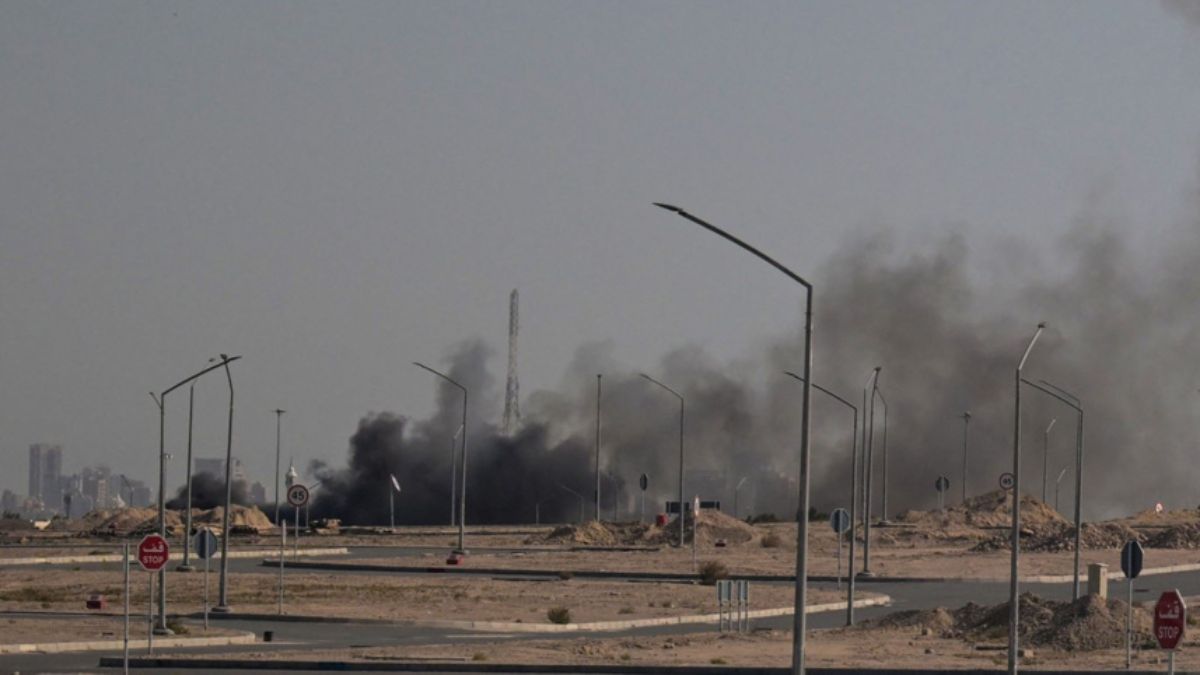
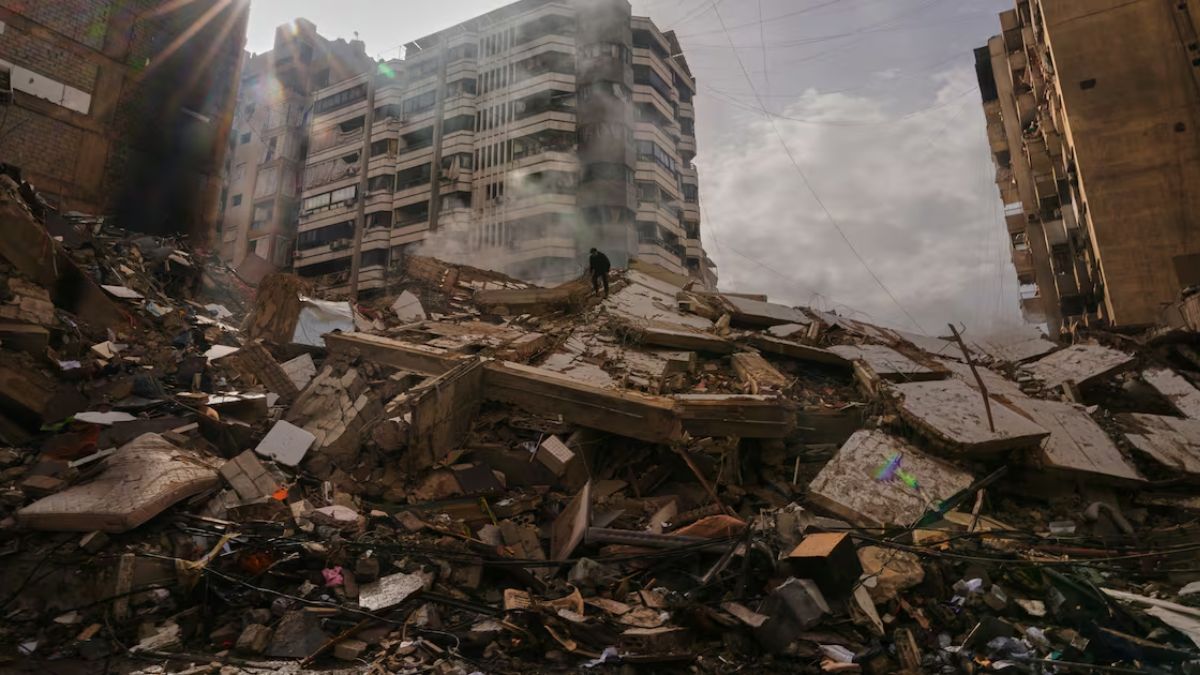
The stark reality on the ground is a tense and deadly limbo. Since the truce began, Gaza’s Health Ministry reports over 550 Palestinian deaths from Israeli strikes, including recent attacks that killed children and infants. Israel, which has lost four soldiers in Gaza in the same period, accuses Hamas fighters of operating beyond agreed lines and opening fire near its troops.
Both sides accuse the other of violations while insisting the agreement itself remains in effect. This paradoxical stance reveals a fragile thread of diplomacy that neither party is yet willing to sever completely, even as they test its limits.
The Core Issues Fester
The fundamental disagreements that the ceasefire was meant to resolve are now resurfacing:
- Humanitarian Crisis: The promised surge of aid to Gaza’s 2 million residents has been plagued by delays and bottlenecks, falling far short of needs. The UN and aid agencies cite logistical hurdles, while Israeli authorities deny the claims.
- Governance and Security: The critical questions remain unanswered: Who will govern Gaza? Will Hamas disarm? Will Israeli forces fully withdraw? The naming of a Palestinian committee to oversee reconstruction is a tentative step, but without agreement on security and sovereignty, it lacks foundation.
- Hostage Remains: The delayed return of all hostage remains became a major point of contention, with each side blaming the other for the holdup, further poisoning the atmosphere.
A Region’s Anxious Plea
The growing violence has prompted eight Arab and Muslim nations to issue a rare joint statement, condemning Israel’s post-truce actions and urging all sides to show restraint. The call underscores regional fear that the tenuous calm could fully collapse, reigniting the full-scale war that has already claimed over 71,800 Palestinian and 1,200 Israeli lives.
Between War and Peace
For civilians in Gaza, the situation is a disorienting nightmare. “We don’t know if we’re at war or at peace,” said Atallah Abu Hadaiyed, whose cousins were killed in a recent strike. This sentiment captures the essence of the moment—a formal ceasefire persists, but security and safety do not.
U.S. envoy Steve Witkoff has argued it is time to transition from ceasefire to demilitarization and governance. But that requires a political will that currently seems absent. The mediators are still at the table, and the diplomatic framework still stands, but it is buckling under the pressure of unresolved grievances, daily skirmishes, and the despair of a population caught between a distant promise of peace and the immediate reality of violence. The ceasefire is not yet dead, but it is dying from a thousand cuts, and saving it requires more than just insisting it still exists.
Also Read:
Makkah Museum Showcases a Rare Masterpiece of Islamic Heritage
How the New Campaign Aims to Stop the Spread of False Information Online