


Flash Floods Caused by Heavy Rains Kill at Least 17 People in Afghanistan
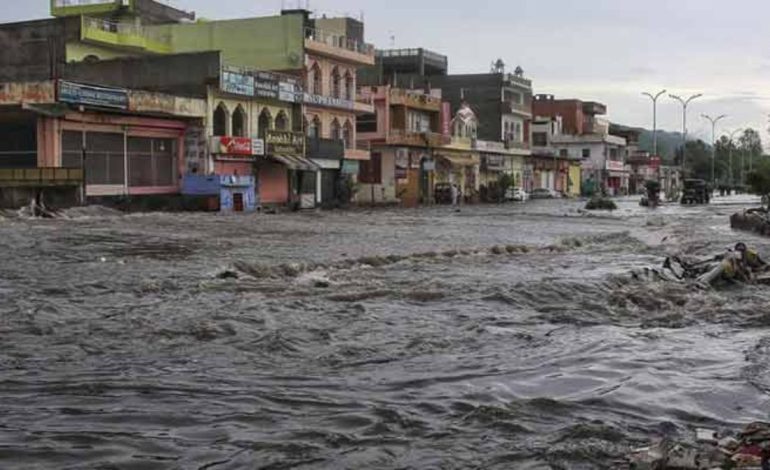

The first heavy rains of the season, a sight often longed for after a prolonged dry spell, have brought not relief but tragedy to Afghanistan. What should have been a blessing has become a deadly force, as flash floods swept through several regions, claiming at least 17 lives, injuring 11 others, and upending the lives of thousands.
According to Mohammad Yousaf Hammad, spokesman for the Afghanistan National Disaster Management Authority, the severe weather disrupted daily life across central, northern, southern, and western parts of the country. The human cost is stark, but the devastation runs deeper. Infrastructure lies damaged, livestock—a critical source of sustenance and income for countless families—has been lost, and an estimated 1,800 families have been affected. For already vulnerable communities, both urban and rural, this disaster is a crushing blow that will ripple through their lives for months to come.
The scenes following such floods are brutally familiar across South Asia. Dry riverbeds, known as wadis, become raging torrents in minutes. Mountain slopes, stripped of stabilizing vegetation, send walls of water, mud, and rock into villages below. Homes, often constructed from traditional mud bricks, simply melt away under the onslaught.
While heavy seasonal rains are a natural phenomenon, their deadly impact in Afghanistan is not an accident of nature alone. It is a crisis amplified by human circumstance. Decades of relentless conflict have shattered infrastructure and eroded disaster preparedness. Widespread deforestation has left the land exposed and unstable, unable to absorb sudden downpours. Furthermore, the intensifying effects of climate change are making weather patterns more extreme and unpredictable, turning seasonal rains into recurring nightmares.
This lethal combination leaves remote communities especially defenseless. When the floods hit, roads are washed away, communication lines fail, and help is slow to arrive. The disaster management authority has dispatched assessment teams to the hardest-hit areas, but their work is a race against time to understand the full scope of the need for shelter, food, clean water, and medical care.
This event is a grim reminder of the complex challenges facing Afghanistan. It underscores how environmental vulnerability is inextricably linked with human security. As the climate crisis deepens, such events are likely to become more frequent and severe. Rebuilding will require more than just repairing walls; it demands building resilience—through restored ecosystems, early warning systems, and robust community preparedness.
For now, the focus remains on the immediate: survivors searching for loved ones in the mud, families mourning their dead, and communities facing the long, difficult task of recovering from a disaster that arrived with the rain they had prayed for. Our thoughts are with the people of Afghanistan as they endure this latest trial.
Also Read:
Fresh Clashes Kill Six During Iran Cost-of-Living Protests
Young Palestinian Boy Drowns as Flooding Hits Gaza Tent Camp, UN Reports