
What the Saudi Arabia and EU Industrial Deal Means for Global Supply Chains


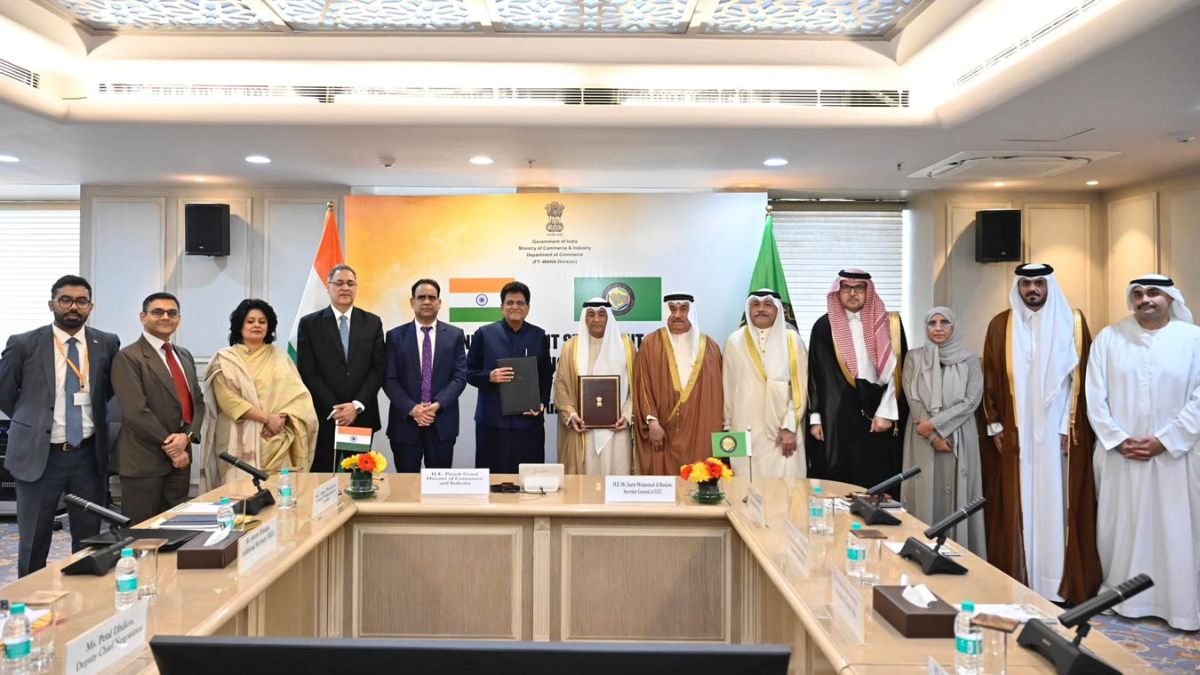
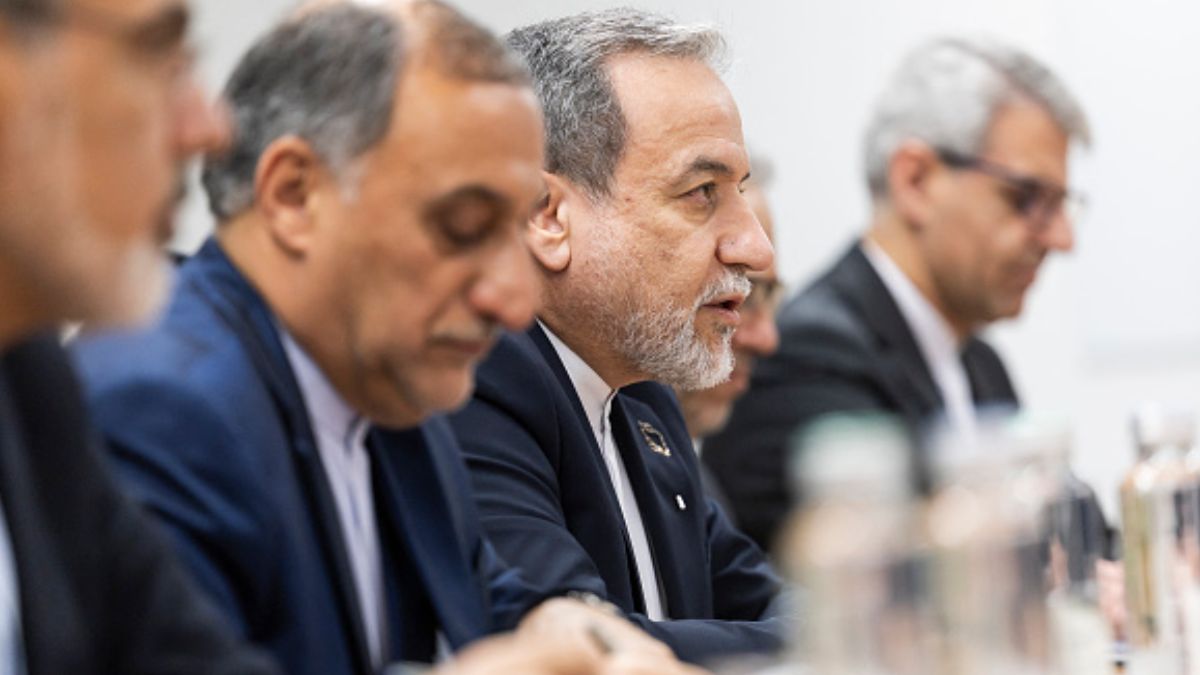
In a series of high-level meetings across France and Belgium, Saudi Arabia’s Minister of Industry and Mineral Resources Bandar bin Ibrahim AlKhorayef laid the groundwork for expanded industrial cooperation with European partners. The discussions, focused on pharmaceuticals, trade, and critical minerals, signal a strategic shift with implications reaching far beyond the Kingdom’s borders.
For global supply chains accustomed to disruption, the emerging Saudi-European axis offers something increasingly rare: predictability.
Vaccines and Biopharmaceuticals
In Lyon, AlKhorayef met with Sanofi executives to explore localizing vaccine and biopharmaceutical manufacturing in Saudi Arabia. The minister toured production lines and quality control laboratories, observing the journey from active ingredient development through packaging and rigorous testing.
The potential partnership addresses a vulnerability exposed during the pandemic: concentrated manufacturing capacity. When Covid-19 swept the globe, nations without domestic pharmaceutical production found themselves at the back of supply lines. Saudi Arabia’s push to localize vaccine manufacturing represents an insurance policy against future health emergencies.
For Sanofi, the arrangement offers access to a growing market and a strategic partner in a region investing heavily in health infrastructure. For the Kingdom, it means technology transfer, job creation, and enhanced health security—all aligned with Vision 2030 goals.
The minister also visited Benta Group, a French pharmaceutical manufacturer, continuing the theme of building bridges between European expertise and Saudi ambition.
Critical Minerals and Economic Security
In Brussels, the conversation shifted to raw materials. AlKhorayef met with Dubravka Suica, European Commissioner for the Mediterranean, and Maros Sefcovic, European Commissioner for Trade and Economic Security.
The discussions focused on securing critical mineral supplies and integrating industrial value chains between Saudi Arabia and EU member states. For Europe, which has identified critical minerals as essential to its green and digital transitions, Saudi Arabia offers a reliable partner with significant untapped resources. For the Kingdom, European demand provides a market for processed minerals, supporting its goal of moving up the value chain from extraction to processing.
The emphasis on “economic security” in the meetings reflects a broader trend: nations increasingly view supply chains not merely as commercial arrangements but as strategic assets. Diversifying sources of critical materials reduces vulnerability to disruption, whether from conflict, natural disaster, or geopolitical tension.
Trade and Integration
Beyond specific sectors, the talks addressed the broader architecture of Saudi-European economic relations. AlKhorayef reaffirmed the Kingdom’s commitment to supporting regional and global economic stability amid ongoing shifts and transformations.
The message to European counterparts was clear: Saudi Arabia seeks not just transactional relationships but structural integration. By aligning its industrial strategy with European priorities, the Kingdom positions itself as a partner in solving shared challenges—supply chain resilience, technological development, and sustainable growth.
What This Means for Global Supply Chains
For companies operating across borders, the Saudi-European dialogue carries several implications.
First, pharmaceutical supply chains are likely to become more geographically diverse. As Saudi Arabia builds domestic manufacturing capacity, global drugmakers will need to adapt their production and distribution networks.
Second, critical mineral flows may shift. Europe’s determination to secure reliable sources of lithium, cobalt, and rare earth elements aligns with Saudi Arabia’s ambition to process more of its mineral wealth domestically. The result could be new trade routes and processing hubs.
Third, the broader principle of supply chain security is gaining official recognition. When ministers discuss “economic security” alongside trade, they signal that resilience will increasingly factor into commercial decisions.
The Vision 2030 Context
These meetings did not occur in isolation. They represent the international dimension of Saudi Arabia’s domestic transformation. The National Industrial Strategy aims to diversify the economy, create jobs, and build capabilities in priority sectors. Attracting European partners accelerates that process while offering European companies a foothold in a rapidly developing market.
For the companies involved—Sanofi, Benta, and the European partners yet to be named—the calculus is straightforward: Saudi Arabia offers capital, market access, and strategic location. In return, it seeks technology, expertise, and integration into global supply chains.
The Road Ahead
AlKhorayef’s visits to Lyon and Brussels produced frameworks rather than contracts, discussions rather than deals. But the direction is clear. Saudi Arabia is systematically building partnerships with industrial leaders capable of transferring knowledge and capability.
For global supply chains, the message is worth heeding: the Kingdom intends to be more than a consumer of manufactured goods. It aims to be a manufacturer, a processor, and a partner. The meetings in France and Belgium represent steps along that path. The destination is a Saudi Arabia deeply integrated into the global industrial economy—and a global supply chain that runs through Riyadh.
Also Read:
What Safran’s New Morocco Facility Means for the Aerospace Industry
Green Initiative: 10,000 Arta Trees Planted in King Abdulaziz Royal Reserve