
Egypt–Ethiopia Nile Water Conflict: Trump Steps In as Mediator
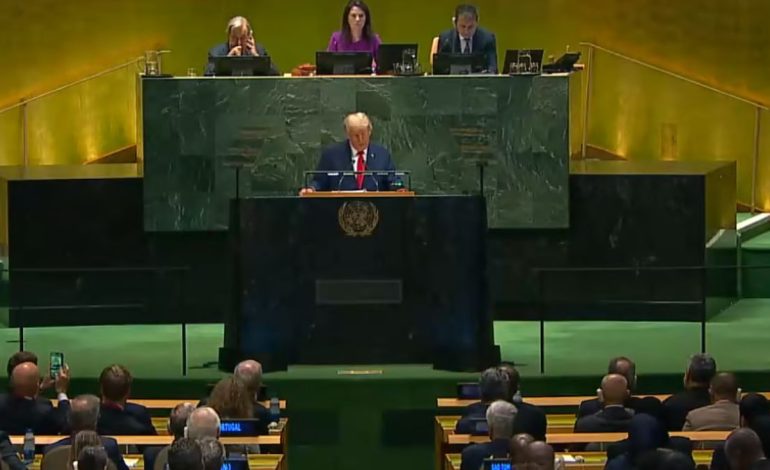

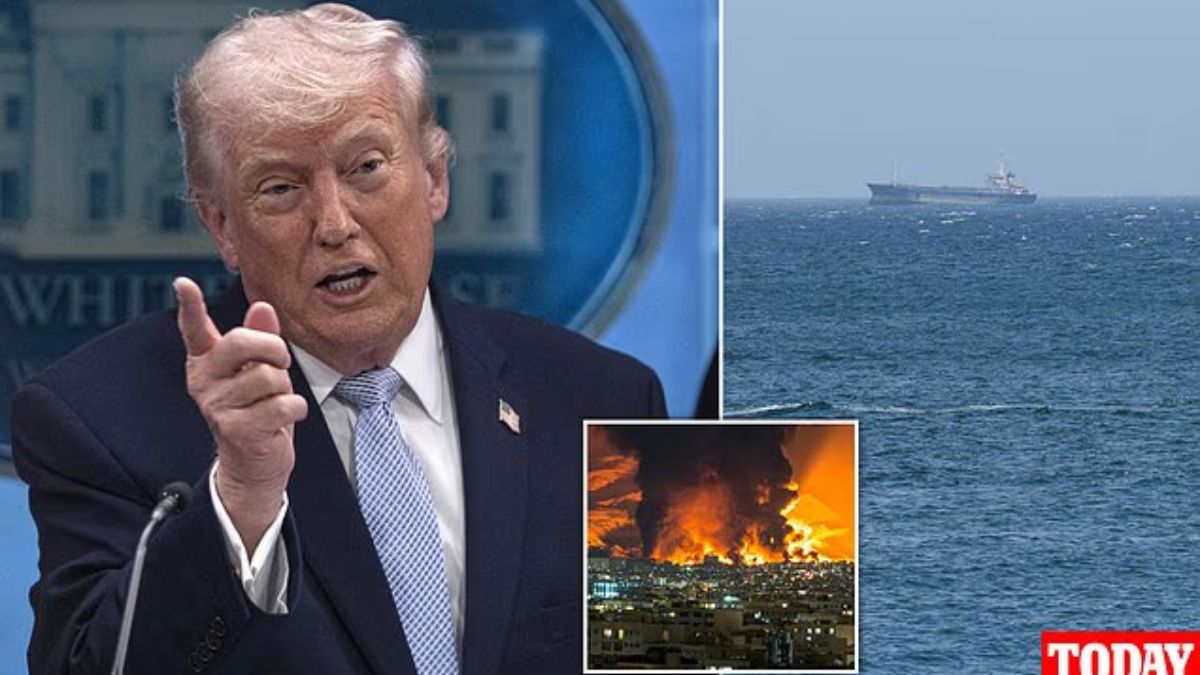
A longstanding and tense dispute over the lifeline of Northeast Africa—the Nile River—may be heading for a new round of high-stakes diplomacy. On Friday, US President Donald Trump publicly offered to mediate the critical water-sharing conflict between Egypt and Ethiopia.
In a letter addressed to Egyptian President Abdel Fattah El-Sisi and shared on his social media platform, Trump stated, “I am ready to restart US mediation between Egypt and Ethiopia to responsibly resolve the question of ‘The Nile Water Sharing’ once and for all.”
The offer comes against a backdrop of renewed friction. The core of the dispute is Ethiopia’s Grand Ethiopian Renaissance Dam (GERD), a massive $5 billion hydroelectric project on the Blue Nile, inaugurated this past September. For Ethiopia, Africa’s second-most populous nation, the dam represents a cornerstone of its development, promising electricity and economic growth for over 120 million people.
However, for downstream Egypt, the Nile’s waters are an existential matter. The nation of over 105 million people relies on the river for more than 90% of its freshwater. Cairo views the dam as a direct threat, arguing it violates historical treaties and could lead to devastating water scarcity or uncontrolled flooding, claims that Addis Ababa firmly rejects.
A Complex History with a Powerful Mediator
Previous US mediation attempts under the Trump administration in 2020 did not yield a lasting agreement, and talks have repeatedly stalled over technical details regarding the rate of filling the dam’s reservoir and operational protocols during droughts.
President Trump’s relationship with President El-Sisi is notably warm; he has praised the Egyptian leader publicly and recently visited Cairo in October. In his public comments, Trump has also echoed Egypt’s concerns about water security, a stance that may raise questions in Addis Ababa about his neutrality as a potential broker.
What This Means
Trump’s renewed offer to mediate injects a significant, unpredictable external force into the deadlock. It signals that the United States is prepared to re-engage deeply in a regional issue with profound implications for stability, food security, and energy access.
The challenge for any mediator will be bridging a fundamental gap: balancing Ethiopia’s sovereign right to development with Egypt’s legitimate fears for its water survival. Success would require navigating not just complex engineering and legal issues, but also deep-seated historical anxieties and national pride on both sides.
As the letter circulates, the world watches to see if Ethiopia will accept this offer of US mediation, and whether this new intervention can succeed where years of African Union-led talks have thus far fallen short. The stakes could not be higher for the future of the Nile Basin.
Also Read:
Middle East Space Conference 2026 to Be Held in Oman
UN Official Warns: Gaza Left in Ruins After Ongoing Conflict