


Egypt Works with Greece to Bring Back Victims of Migrant Boat Tragedy
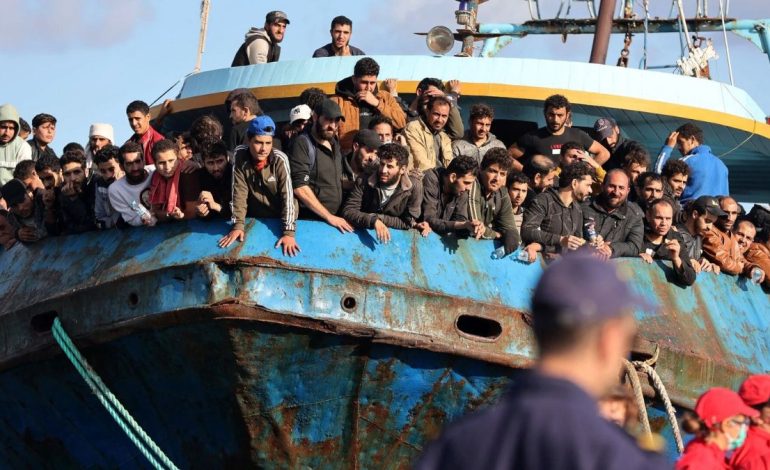

In the wake of another tragic shipwreck involving migrants, Egypt’s Foreign Ministry has moved to address the human toll. Foreign Minister Badr Abdelatty has directed the Egyptian embassy in Athens to intensify coordination with Greek authorities. The immediate goals are to support survivors and to expedite the repatriation of the victims’ bodies once necessary legal procedures in Greece are complete.
This administrative directive carries profound human significance. The embassy is already in contact with the grieving families in Egypt, working to arrange the solemn task of bringing their loved ones home. The ministry extended its condolences while reiterating a stark, recurring warning about the grave dangers of irregular migration across the Mediterranean.
A Long-Standing Strategy Against Irregular Migration
This tragedy underscores the persistent perils of the migration route, even as Egypt highlights its ongoing campaign to prevent such journeys. Since launching a national strategy in 2016, Egyptian officials have stressed that the country will not serve as a transit point for irregular migration to Europe. Authorities claim that no migrant boats have successfully departed from Egyptian shores since the strategy’s implementation—a point made while noting Egypt itself hosts nearly 10 million refugees, asylum seekers, and migrants from over 130 countries.
The approach has evolved into a comprehensive framework. The most recent phase is a national action plan for 2024–2026, adopted by the government’s anti-trafficking committee. This builds on earlier initiatives like the 2019 “Lifeboats” program, which invested 250 million Egyptian pounds to create local job opportunities in villages deemed most vulnerable to the lure of smugglers.
International Backing for Border Management
Egypt’s measures have garnered international support, particularly from the European Union, which has a vested interest in stabilizing migration flows. In March 2024, the EU pledged €200 million in grants to bolster Egypt’s border management, enhance search-and-rescue capabilities, and strengthen efforts to combat human smuggling networks.
The coordination between Cairo and Athens following this latest tragedy is a sobering moment of reckoning. It reflects the grim aftermath that follows when prevention efforts fall short, turning policy into the urgent tasks of survivor aid and victim identification. While officials point to years of preventative work and international partnerships, the incident is a painful reminder of the powerful forces that continue to drive individuals toward desperate and dangerous journeys. For the families awaiting the return of the victims, the focus remains on closure and mourning, a human reality behind the diplomatic and strategic reports.
Also Read: