

New Delhi Protest Highlights Anger Over Hindu Man’s Killing in Bangladesh
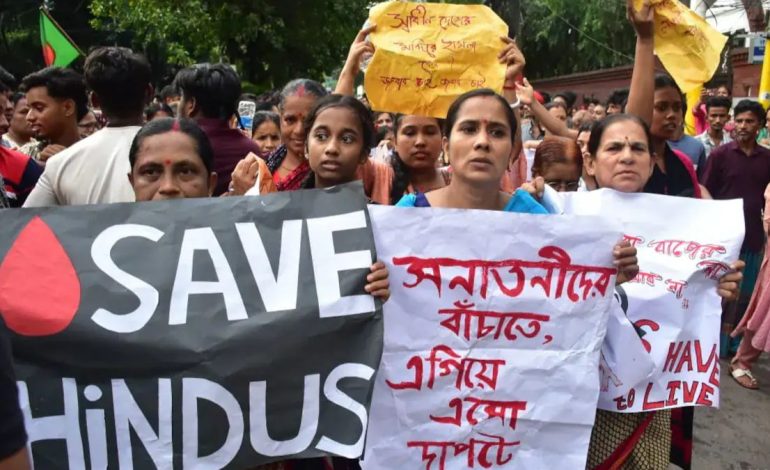

The streets near Bangladesh’s High Commission in New Delhi became a stage for regional distress this Tuesday, as hundreds gathered in a charged protest. The catalyst was the brutal lynching of 27-year-old factory worker Dipu Chandra Das in Bangladesh’s Mymensingh district. Accused of making derogatory remarks, Das was reportedly beaten and set on fire by a mob—a horrifying act of vigilante violence that has sent shockwaves across the border.
This incident touches a raw nerve in the complex relationship between Hindu-majority India and Muslim-majority Bangladesh. With at least ten arrests made in connection to the killing, the case has exacerbated existing strains, coming at a sensitive time just weeks before Bangladesh’s parliamentary election. The diplomatic fallout is already tangible, with both nations suspending visa services—a sign of deteriorating ties that have been tense since Bangladesh’s former Prime Minister, Sheikh Hasina, sought refuge in Delhi amid political unrest last year.
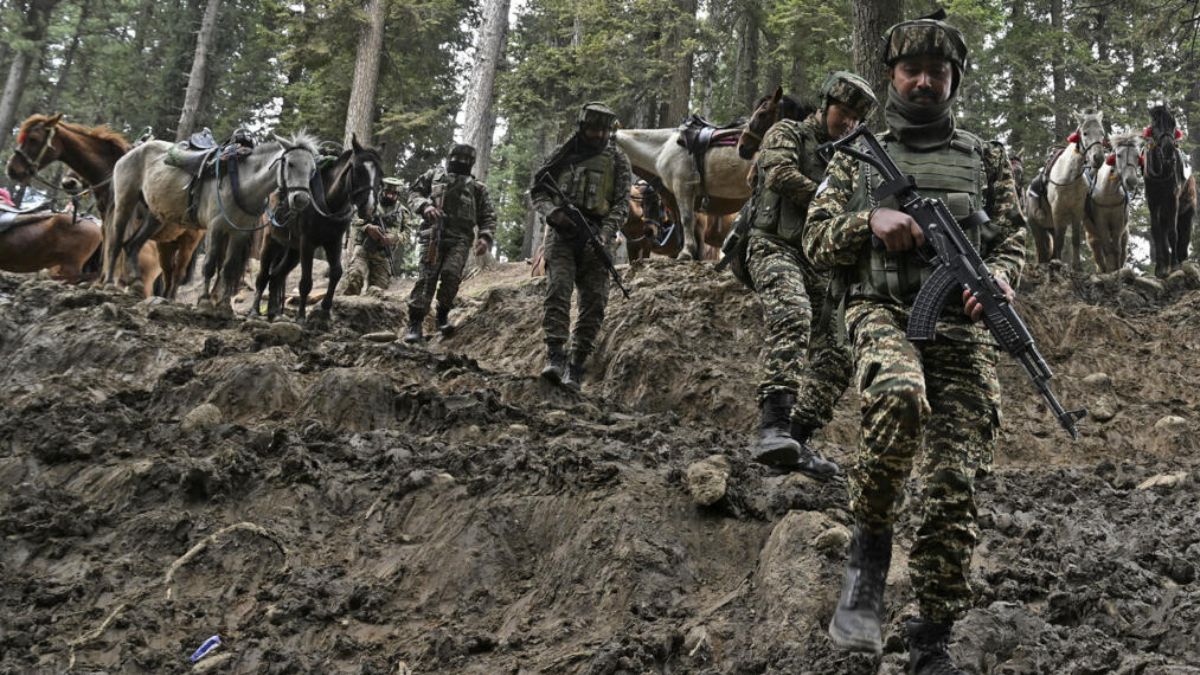
Television footage from the Delhi protest showed a volatile scene: demonstrators, primarily from Hindu groups, clashing with police as they attempted to push through barricades. Slogans filled the air, pictures were burned, and posters demanded a boycott of Bangladesh. “We needed to raise the voice of Hindus in Bangladesh in Delhi,” one protester told India Today, giving voice to the underlying sentiment. “As long as even one Hindu is being harmed there, we will be awake and will not stop.” Similar demonstrations were reported in other regions, including Jammu and Kashmir, indicating the spread of this outrage.
The Bangladeshi government responded by summoning the Indian envoy, expressing concern over this protest and a prior one near its mission. They urged India to investigate these “violent protests” outside its diplomatic posts. India’s foreign ministry described the earlier gathering as a small group of “20-25 youths” swiftly dispersed by police, reaffirming its commitment to the safety of foreign missions.
This bilateral tension unfolds against a backdrop of profound domestic turmoil within Bangladesh. The nation is already grappling with unrest following the killing of youth leader Sharif Osman Hadi, who was shot while campaigning for the upcoming election. His death sparked widespread protests that devolved into arson and vandalism, targeting media and cultural institutions.
The tragedy of Dipu Chandra Das is more than a single, terrible crime. It has become a flashpoint, illuminating the fragile interplay of communal harmony, political instability, and diplomatic friction. For the protesters in Delhi, it is a stark reminder of the vulnerabilities faced by minority communities. For the two neighbouring nations, it is a test of their ability to navigate shared history and present-day realities with empathy and justice. As Bangladesh approaches a pivotal election, the world watches, hoping for a path forward where dialogue overcomes division, and the rule of law prevails over the rage of the mob.
Also Read:
How Saudi Arabia Is Leading the Region in Government AI Development