Iran Strikes Impact UAE: Defense Ministry Confirms Three Deaths and 58 Injuries

DUBAI — For decades, the Gulf states have marketed themselves as an oasis of stability in a turbulent region. Skyscrapers rose from the desert. Global tourists flocked to pristine beaches. Expatriates from around the world arrived seeking safety and opportunity. The wars next door—in Iraq, in Syria, in Yemen—remained someone else’s tragedy.
That era ended this weekend.
As the conflict between Iran and the US-Israeli alliance enters its third day, the United Arab Emirates, Qatar, Oman, and Bahrain are no longer bystanders. They are targets. And the human toll is no longer measured in military casualties alone.
Death in the UAE
The UAE Defense Ministry released grim numbers on Sunday. Three people dead. Fifty-eight injured. The victims—a Pakistani national, a Nepalese citizen, and a worker from Bangladesh—were not soldiers. They were not diplomats. They were ordinary people caught in the path of a regional war.
The statistics paint a picture of a nation under siege: 165 ballistic missiles detected, 152 destroyed. 541 Iranian drones detected, 506 intercepted. The math is impressive—a testament to the sophistication of UAE air defenses—but the gaps in the numbers represent lives altered forever.
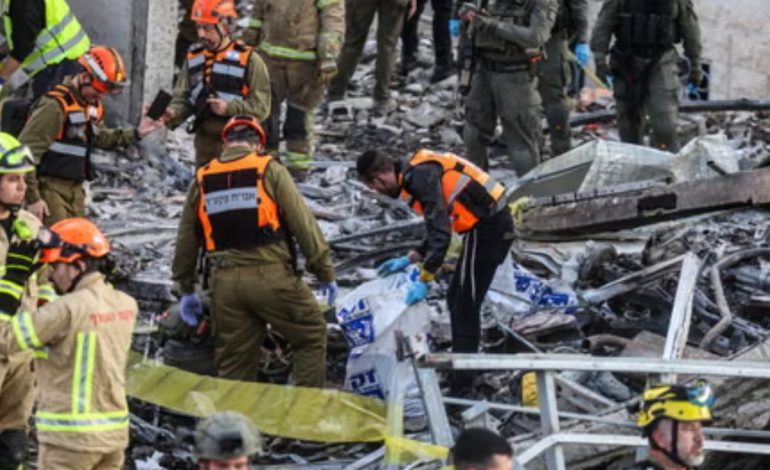
In Abu Dhabi, debris from an intercepted drone struck the Etihad Towers complex, a gleaming symbol of the city’s modernity that also houses the Israeli embassy. A woman and her child suffered minor injuries. In Dubai, shrapnel rained down on two homes, wounding two residents. The international airport, the Burj Al Arab hotel, the Palm Jumeirah—icons of Dubai’s global ambition—all sustained damage.
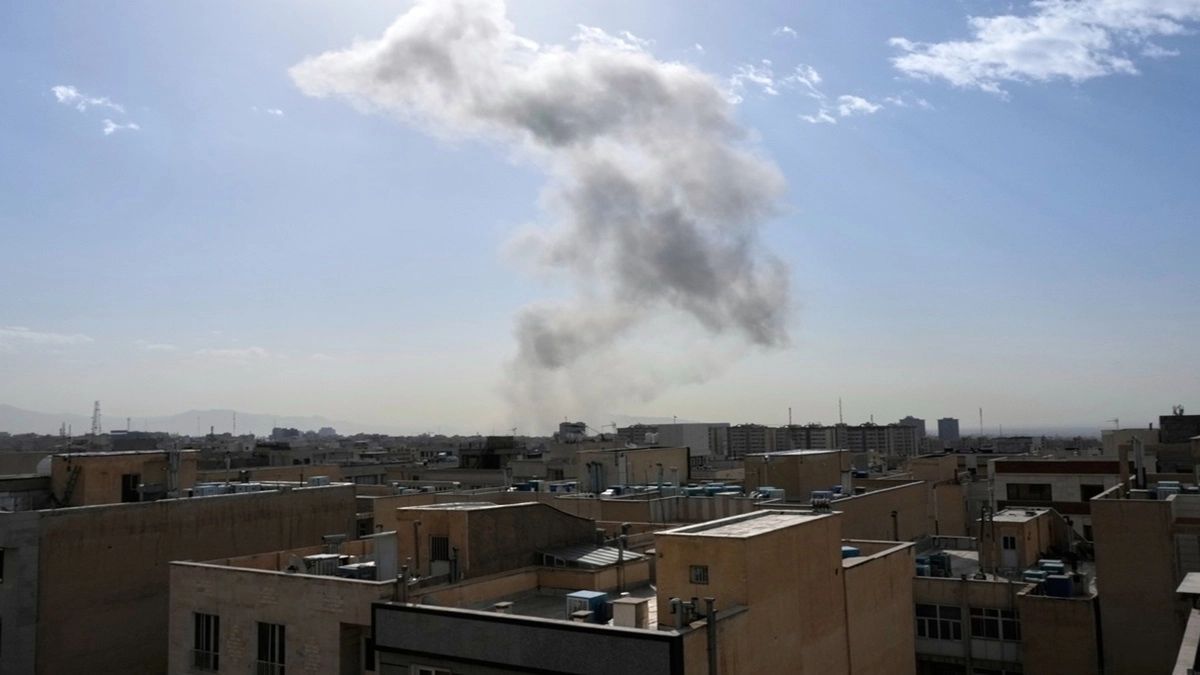
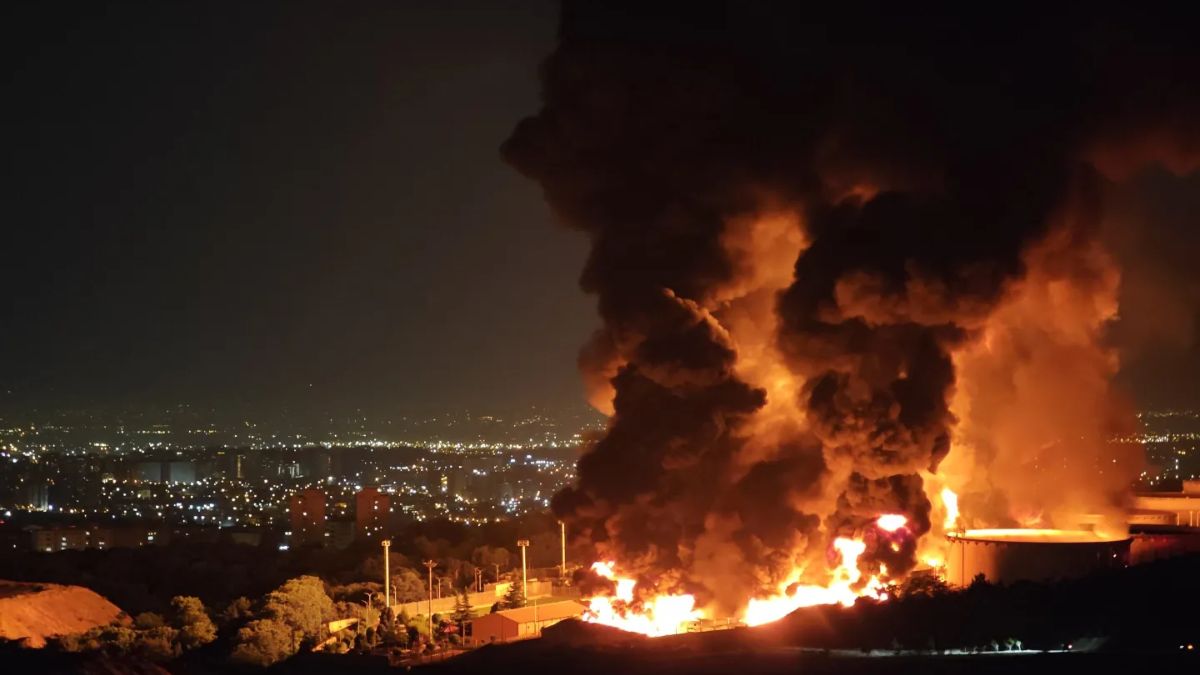
At the Jebel Ali port, one of the busiest shipping hubs in the Middle East, thick black smoke continued to rise from a berth set ablaze by missile debris. The images broadcast around the world showed something the Gulf has long tried to avoid: war arriving at its commercial doorstep.
The Diplomatic Response
The UAE’s reaction was swift and unambiguous. It announced the closure of its embassy in Tehran, withdrew its ambassador and diplomatic mission, and condemned the attacks in the strongest terms.
The Ministry of Defense described the strike on Al-Salam naval base—where two Iranian drones targeted a warehouse, igniting containers of general materials—as a “blatant act of aggression” and a “flagrant violation of national sovereignty and international law.” The statement reserved the right to respond and promised to take “all necessary measures” to protect national interests.
This language matters. The UAE, like its Gulf neighbors, has long walked a tightrope between its security partnership with Washington and its economic ties to Tehran. That balancing act is becoming untenable.
The Regional Picture
The UAE is not alone in suffering.
In Oman, which remained untouched on the first day of retaliation, the Duqm commercial port was targeted by two drones. One struck a workers’ accommodation, injuring a foreign employee. Debris from the other landed near fuel tanks. Oman, traditionally a mediator in regional conflicts, now finds itself in the crosshairs.
Qatar’s interior ministry reported a fire in an industrial zone after debris fell from an intercepted missile. Authorities said eight people were injured in the salvos directed at the Gulf state, with one in critical condition.
Bahrain saw drones strike its airport in Manama, causing minor damage.
Even Saudi Arabia, which has not reported direct hits in this latest escalation, issued a statement condemning “the treacherous Iranian aggression” against Oman and reaffirming solidarity with its Gulf neighbor.
A Region Transformed
For the millions of expatriates who call the Gulf home, the psychological impact may outlast the physical damage. A Lebanese woman living in Riyadh captured the sentiment of many: “I heard the explosions, I don’t know what I felt. We came to the Gulf because it’s known to be safer than Lebanon. Now I don’t know what to do or how to think really.”
Her words reflect a fundamental shift. The Gulf’s promise—stability, security, insulation from regional chaos—has been broken. When Dubai’s international airport, the world’s busiest for international travel, suffers damage, the message is clear: no place is sanctuary.
What Comes Next
The UAE Defense Ministry urged the public to rely on official sources and avoid spreading rumors—a standard appeal in times of crisis, but one that underscores the nervousness coursing through Gulf societies.
For the governments of the region, the path forward is fraught with difficulty. Do they retaliate directly, risking further escalation? Do they rely on American and Israeli protection, accepting the role of frontline states in a conflict not of their making? Or do they attempt to mediate, using their remaining diplomatic channels to pull the region back from the brink?
There are no good options. Only bad ones and worse ones.
As the sun sets on another day of strikes and counter-strikes, the Gulf states confront an uncomfortable truth: the war they thought would always remain at a distance has arrived at their gates. And unlike the conflicts that have ravaged their neighbors, this one shows no signs of ending quickly.
Also Read:
Netherlands gets world’s first openly gay PM Making history by taking oath at age 38
Inside the Military Action: Israel Striking Key Targets Deep in Tehran