



Camel Milk Revives Spring Traditions in Northern Borders Region
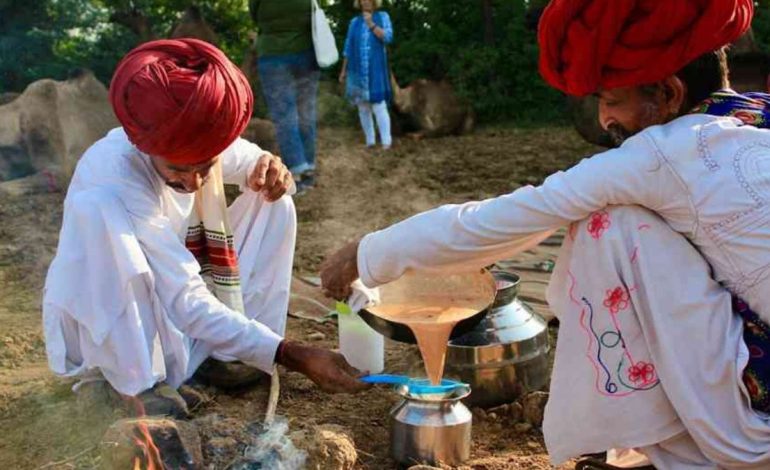

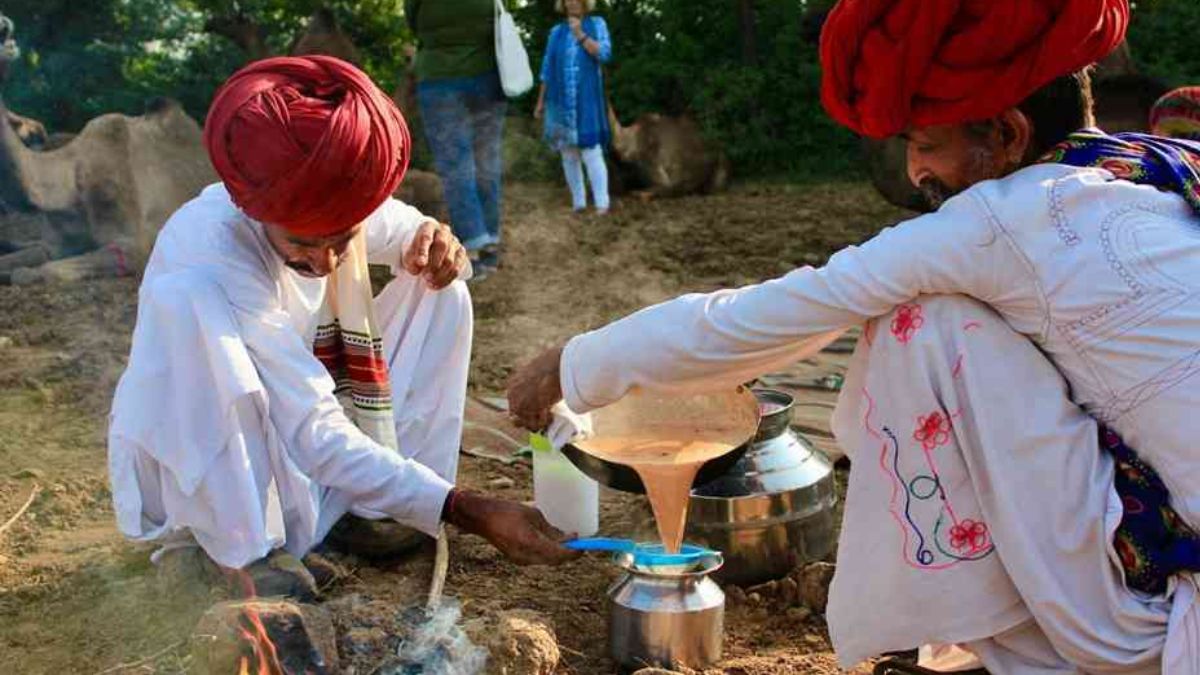
JEDDAH — With the arrival of spring in Saudi Arabia’s Northern Borders region, camel milk has returned to its traditional place at the heart of Bedouin life. Mild weather and flourishing natural pastures have led to an abundance of milk, making it a focal point for residents and campers during desert excursions, the Saudi Press Agency reported.
Consuming camel milk at this time of year is a long-standing social custom. It is traditionally offered to guests in spring camps as families move between grazing lands, reflecting traditions tied to mobility and pastoral life. The seasonal rise in demand underscores the community’s connection to the natural environment and its commitment to preserving inherited customs.
Beyond its cultural role, camel milk is gaining renewed attention for its health benefits. Dr. Abrar Sheikh Al-Eidrous, a general practitioner at a hospital in Makkah, told Arab News that camel milk differs from cow’s milk in its protein composition. Notably, it does not contain beta-lactoglobulin, a protein closely linked to milk allergies.
She added that camel milk contains active immune compounds such as lactoferrin and higher levels of vitamin C, which support the immune system. Its relatively lower lactose content also makes it easier to tolerate for individuals who experience bloating and digestive discomfort.
“From both clinical and personal experience, replacing cow’s milk with camel milk during pregnancy had a clear impact in reducing the uncomfortable bloating associated with pregnancy,” Al-Eidrous said. She noted that camel milk has also shown effectiveness in cases of cow’s milk protein allergy, a common condition among children. “This includes my own son, where we observed noticeable improvement,” she added.
Interest in camel milk is not limited to modern research. Its benefits were also referenced in Prophetic tradition, where the Prophet Muhammad recommended camel milk for its therapeutic properties. Al-Eidrous said camel milk should not be viewed solely as a heritage product, but as a functional nutritional solution with genuine health benefits.
Also Read:
Israel Under Fire from Iran Missiles: Civilian Impact and Safety Concerns
Rising Tensions in Baghdad After US Embassy Warns of Threats