How a Beirut Church Became a Safe Haven for Refugees During Israeli Strikes
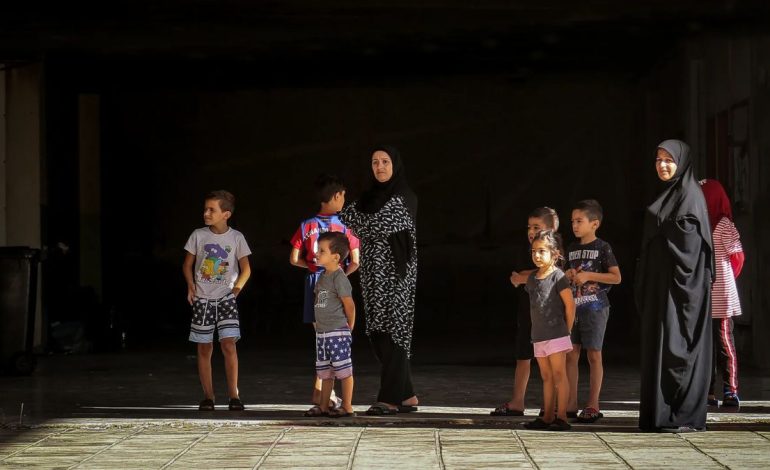

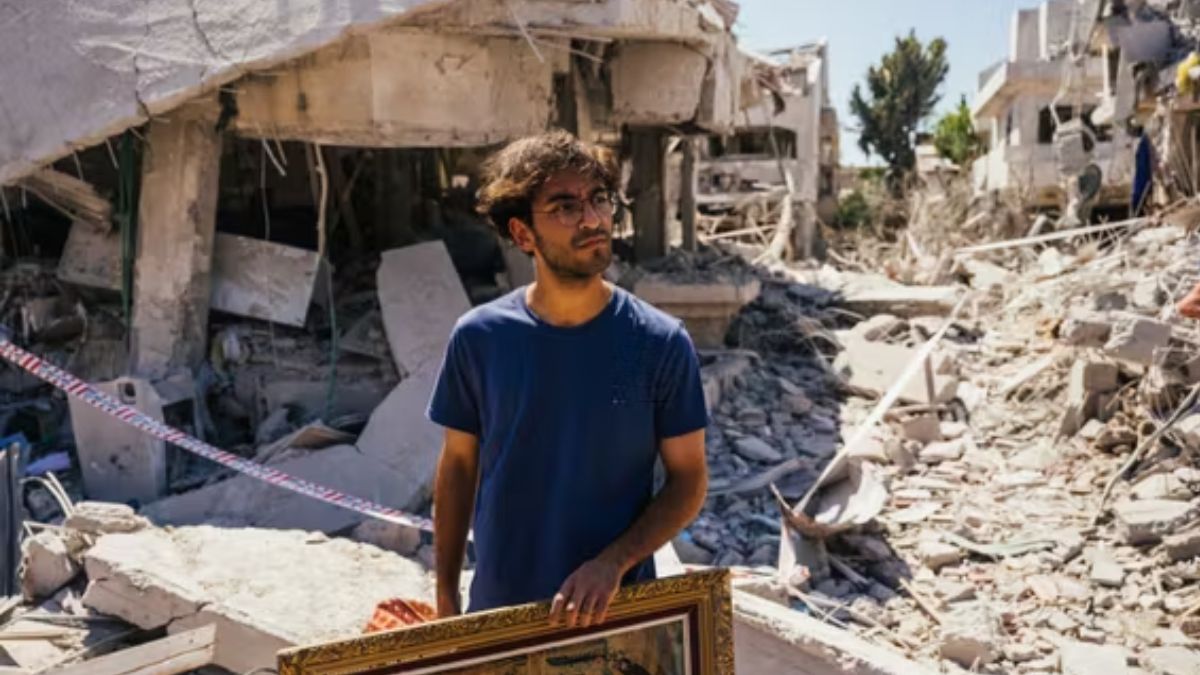
In the darkness of Monday night, Ridina Muhammad faced an impossible choice. Eight months pregnant, with her husband and three young children beside her, she joined thousands of others fleeing the southern suburbs of Beirut as Israeli strikes lit up the sky. Their home was about to be destroyed. Their future was uncertain. But one place remained open when all others had closed their doors: a church.
This is the story of St. Joseph Tabaris Parish—a modest house of faith that became a beacon of hope for some of Lebanon’s most vulnerable people.
When Homes Become Rubble
The scale of displacement that unfolded in Lebanon this week is staggering. Over 300,000 people have been forced from their homes. Yet this number tells only half the story. While 100,000 have found places in government shelters, hundreds of thousands remain without official protection. Some crowd into relatives’ homes. Others sleep in the streets. And still others—migrants and refugees with legal status even more precarious than their displaced Lebanese neighbors—are turned away at every door.
Muhammad registered with the United Nations years ago as a refugee from Sudan. She followed every rule, completed every form, jumped through every hoop. But when the crisis came, the system that was supposed to protect her offered nothing. “Why did we register with the UN if they are not helping us in the most difficult times?” she asked, her hand resting on her belly as she spoke.
A Church Becomes a Sanctuary
Across the city, St. Joseph Tabaris Parish did something different. As the strikes began, the church’s doors remained open. Not with ceremony or fanfare, but with the quiet determination of a community choosing compassion over practicality.
Within just 24 hours, 140 people from South Sudan, Ethiopia, Bangladesh, and beyond had found refuge within its walls. They came because they had nowhere else to go—not because they were welcomed everywhere, but because they were welcomed somewhere when it mattered most.
Michael Petro, Emergency Shelter Director for the Jesuit Refugee Service, witnessed this unfold. “There are many, many more people coming than there were in 2024, and we have fewer and fewer places to put them,” he said. The arithmetic of desperation is brutal. More displacement. Fewer shelters. No easy solutions.
The Machinery of Indifference
What makes this story particularly heartbreaking is not the absence of resources, but the absence of welcome.
Petro had been assured weeks before the strikes that government shelters would accept migrants and refugees if conflict erupted. It was a promise that crumbled the moment it was needed. When the crisis came and even Lebanese citizens struggled to find safety, that promise evaporated. The word came down from government hotlines and ministries alike: migrants are not welcome here.
Lebanon’s Minister for Social Affairs, Haneen Sayyed, offered no comment. Pressed about the closed shelters, her office simply stated they were full. It was bureaucracy as barrier, policy as exclusion dressed up in the language of capacity constraints.
Stories of Survival
On that first night, Othman Yahyeh Dawood made a 75-kilometer journey on a motorcycle with his two young sons. He fled the southern town of Nabatieh—itself under bombardment—to reach St. Joseph’s. He had sheltered there once before, during the 2024 conflict. He knew what to expect: safety, welcome, humanity.
“I know the area is safe and there are people who will welcome us,” he said simply. In those few words lies everything: the trauma of repeated displacement, the exhaustion of never knowing where refuge lies, the gratitude of finding even temporary sanctuary.
His children, like Muhammad’s oldest daughter, carry the wounds of previous wars. That seven-year-old stopped speaking after 2024. Words can be weapons. Silence can be survival. These are the silent casualties we rarely count.
The Urgent Need for Action
Dalal Harb, a spokesperson for the UNHCR in Lebanon, acknowledged the crisis openly and honestly. The agency has mobilized. But “reaching everyone immediately was extremely challenging given the scale and speed of displacement.” It’s a candid admission of overwhelm. The UNHCR’s operation in Lebanon is currently only 14 percent funded.
Fourteen percent.
This is the gap between crisis and response, between need and resources, between the rhetoric of protection and its actual practice.
Why This Matters Now
St. Joseph Tabaris Parish could fill easily. The Jesuit Refugee Service could do more with adequate funding. The UNHCR could reach more people if support matched the scale of the emergency. Yet the fundamental question remains unanswered: What does it mean when a church must shoulder the burden that governments and international agencies cannot?
It speaks to the dignity of faith-based organizations and their commitment to justice. But it also exposes a failure of political will. The phrase “migrants are not welcome” is not a policy—it is a moral choice. And it echoes across every government office, every closed shelter door, every family turned away in the night.
The Work Ahead
As Ridina Muhammad prepares for the arrival of her child—a birth that will happen in uncertainty, without proper prenatal care, in a crowded church serving as temporary shelter—we are forced to confront what our systems value and who we leave behind.
The people sheltering at St. Joseph’s are not asking for charity. They are asking for basic protection. They are asking for the promises made to them to be kept. They are asking for their humanity to be recognized in a moment when everything else has been stripped away.
The church doors remain open. The question now is whether the doors of institutions, governments, and international systems will open as well. The answer will define not just this crisis, but who we are as a society.
Also Read:
Iranian Envoy Denies Tehran Ordered Attack on US Embassy in Riyadh
Saudi Arabia Intercepts 3 Ballistic Missiles Aimed at Prince Sultan Air Base