
Aleppo Violence Deepens Tensions Between Syrian Government and Kurds
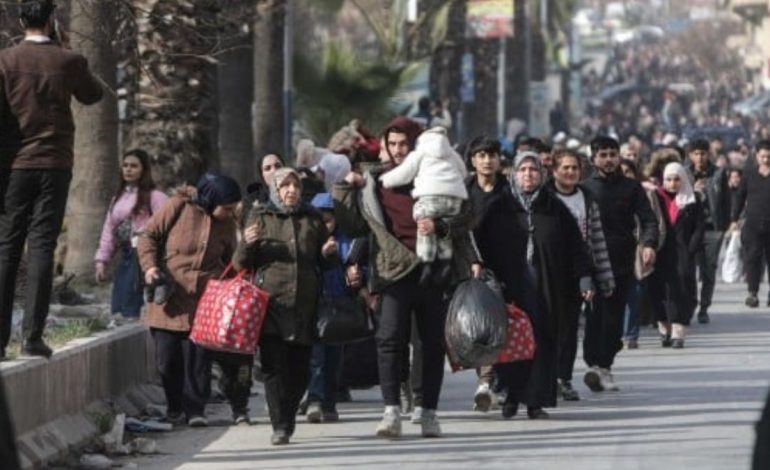

The fragile stalemate that has held Syria’s fractured north together appears to be shattering on the streets of Aleppo. This week, fierce fighting erupted between Syrian government forces and Kurdish-led fighters, transforming neighborhoods into battlegrounds and sending over 45,000 terrified civilians fleeing for their lives.
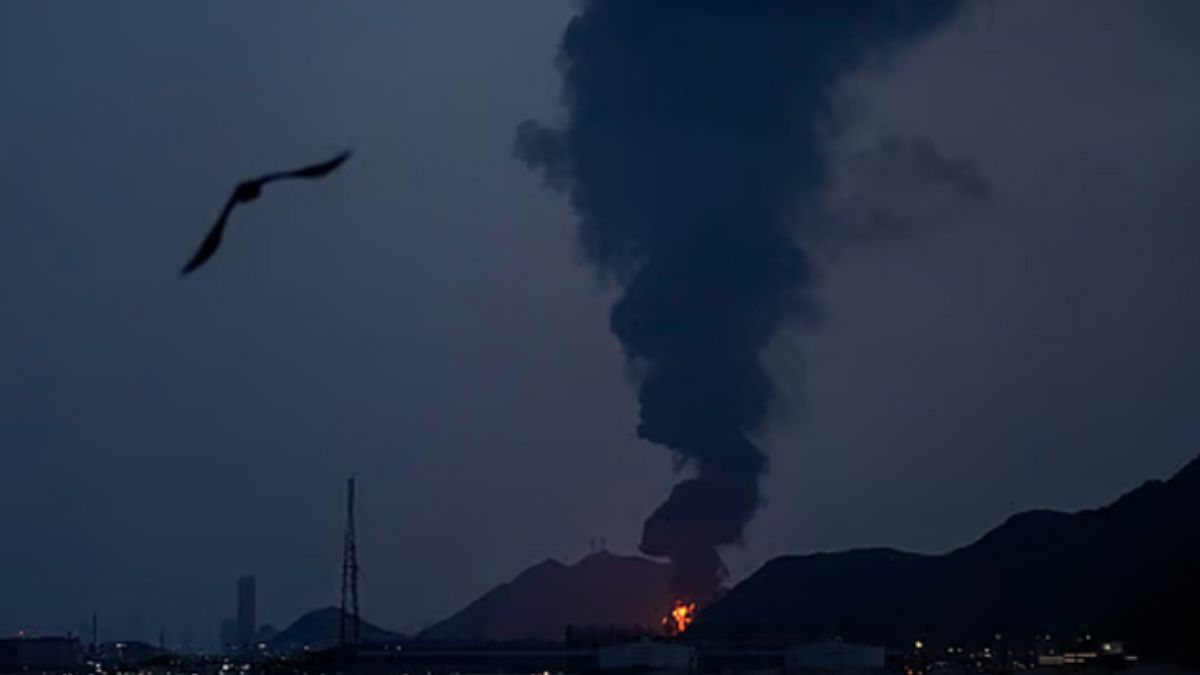
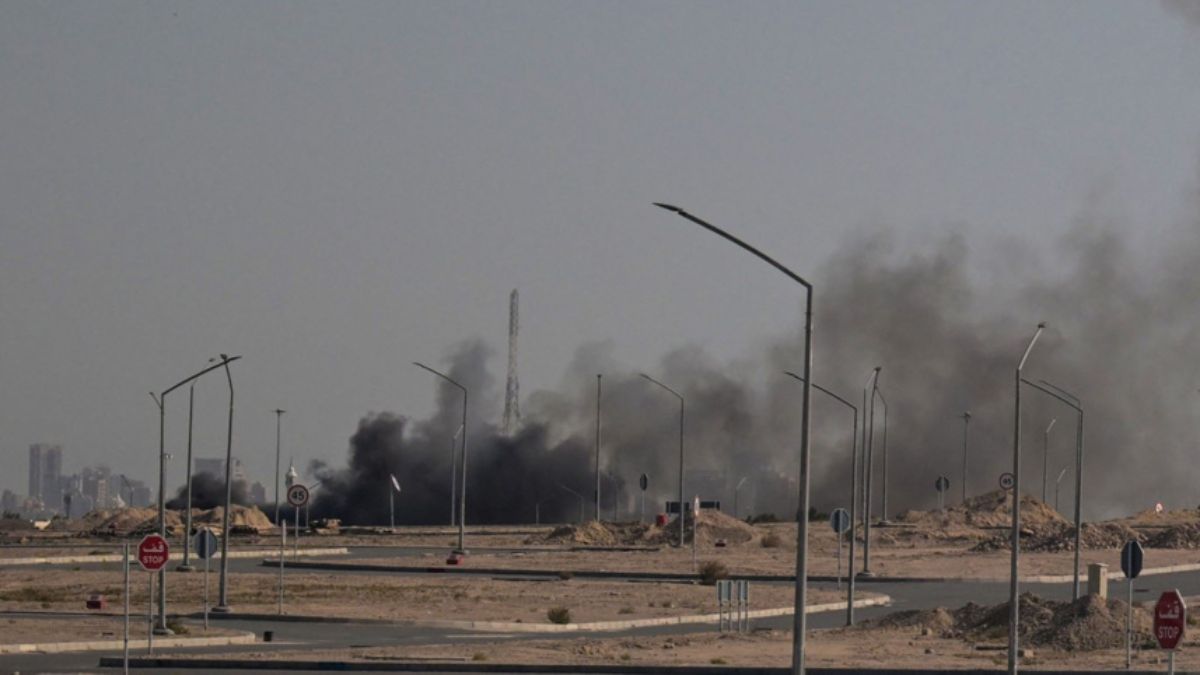
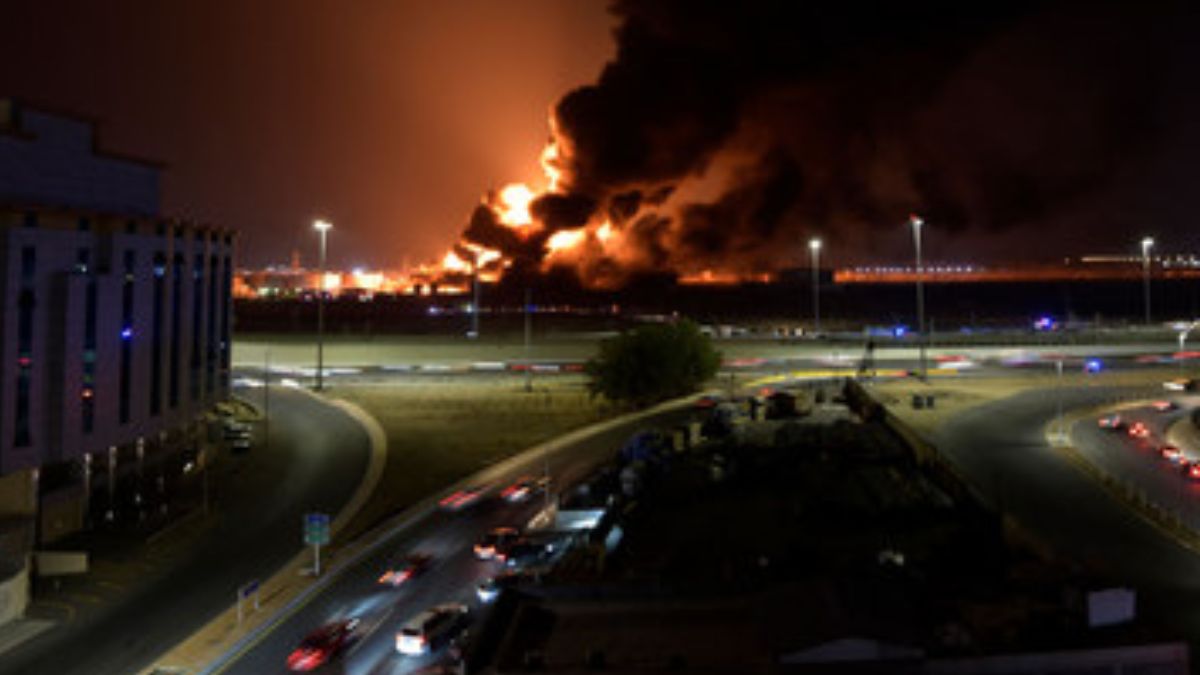
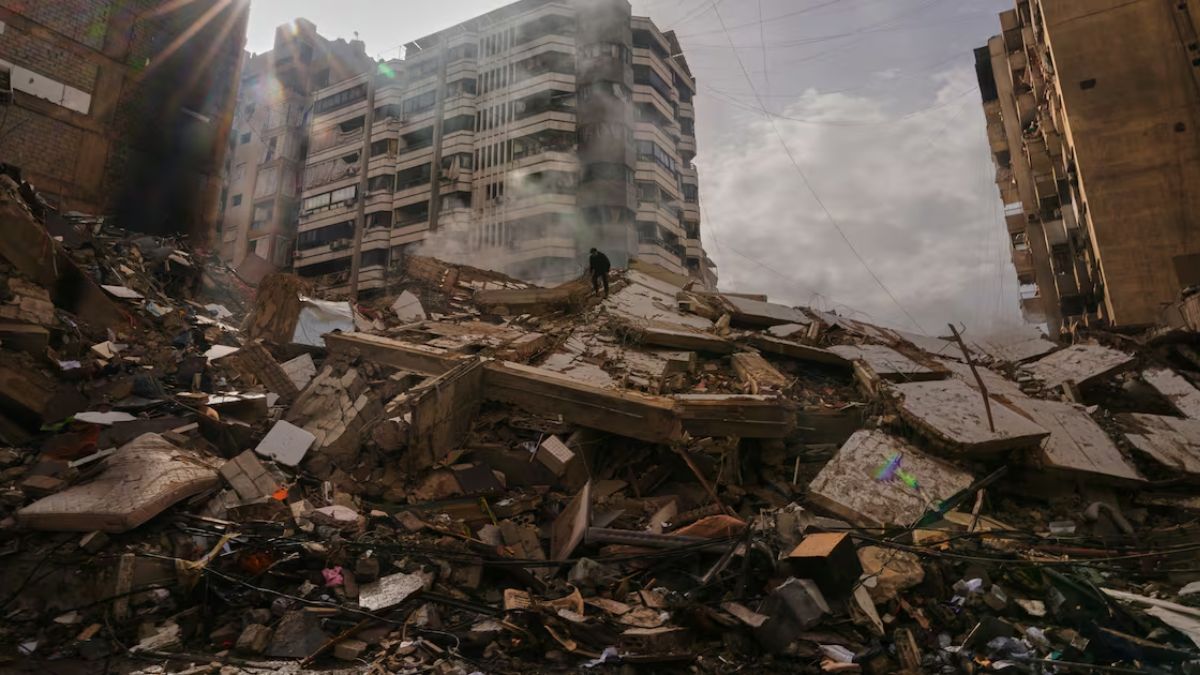
The violence, which began Tuesday and intensified Wednesday with shelling, has left a grim toll. Local health authorities report at least four civilians killed and dozens more wounded, with separate security sources adding the deaths of two combatants. By Wednesday evening, the guns had fallen silent, but the crisis is far from over.
The Roots of the Rupture
This is not a spontaneous clash but the violent symptom of a deep, unresolved political wound. For years, Kurdish authorities have administered semi-autonomous zones in northeast Syria and parts of Aleppo, operating with significant autonomy. Following the ousting of former President Bashar al-Assad in late 2024, they have resisted full integration into the new, Islamist-led government in Damascus.
A deal was struck last year, aiming for complete integration by the end of 2025. That deadline has proven meaningless. Both sides have spent months accusing the other of bad faith and stalling, with U.S.-mediated talks as recently as Sunday failing to yield any tangible progress.
Now, diplomacy has given way to shellfire. The Syrian army has declared Kurdish-held neighborhoods like Sheikh Maqsoud and Ashrafiyah “legitimate military targets,” signaling the potential for a major offensive. Kurdish forces, in turn, hold Damascus “fully and directly responsible” for an escalation they say threatens thousands of lives.
A City Paralyzed, a Population Uprooted
The human cost is escalating rapidly. Aleppo, a leading Syrian city still recovering from the scars of a long civil war, has been paralyzed. Its airport and a major highway to Turkey are closed. Factories sit idle, and roads into the city center are blocked.
Humanitarian corridors, facilitated by city buses, have ferried residents out of flashpoint areas. “We move them safely to the places they want to go to,” said Faisal Mohammad Ali of Aleppo’s civil defense, as most displaced families stream northwest toward the enclave of Afrin.
The Shadow of Wider Conflict
The international community watches with apprehension. Washington is reported to be actively mediating to de-escalate the immediate crisis. But the underlying dispute threatens consequences far beyond Aleppo’s neighborhoods.
Failure to integrate the powerful Syrian Democratic Forces (SDF) into the state’s security apparatus risks perpetuating a cycle of violence that could engulf northern Syria. It also raises the specter of intervention by Turkey, which views elements of the Kurdish forces as terrorists and has repeatedly threatened military incursions.
The quieted guns in Aleppo offer only a temporary respite. They mark not peace, but a pause. Without a genuine political breakthrough that addresses Kurdish autonomy within a unified Syria, the explosions that rocked Aleppo this week are merely a preview of a darker, deadlier chapter to come. The flight of thousands is a stark testament to a peace process that has failed, leaving a city—and a country—balanced once more on the knife’s edge of war.
Also Read:
Saudi Authority Issues Health Warning on Nestlé Baby Formula
Yemen Airways Starts New Direct Flight Route from Socotra to Jeddah