
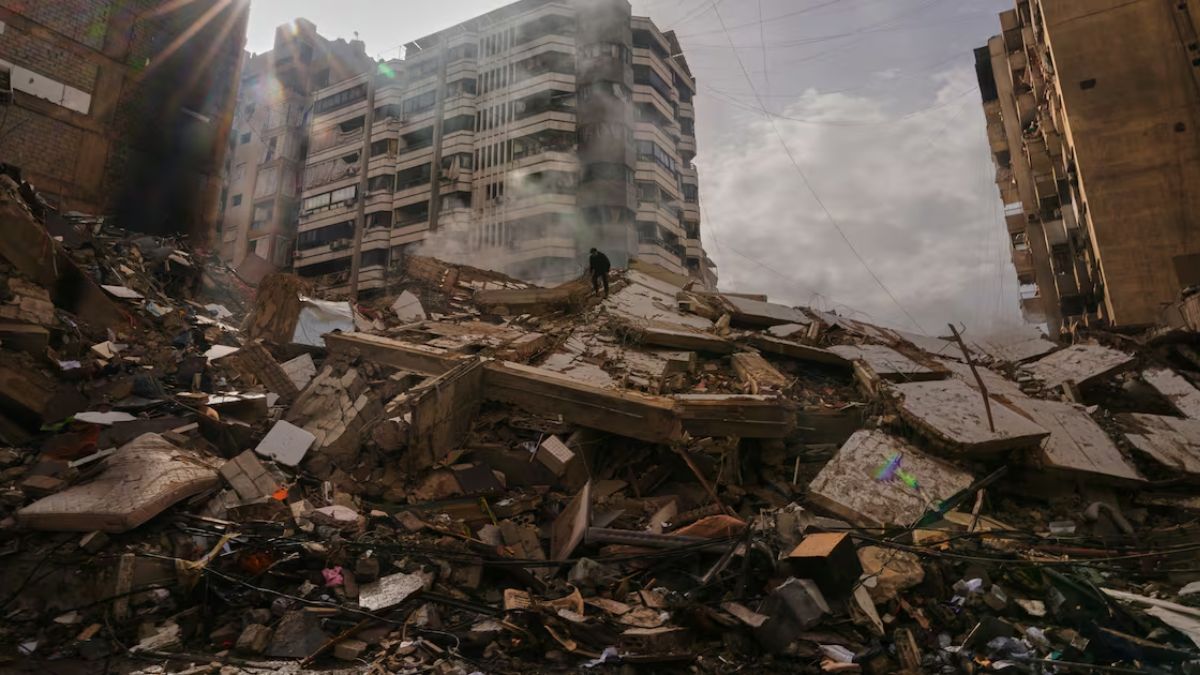
Aid Workers Report Empty Streets in El-Fasher After RSF Takes Control
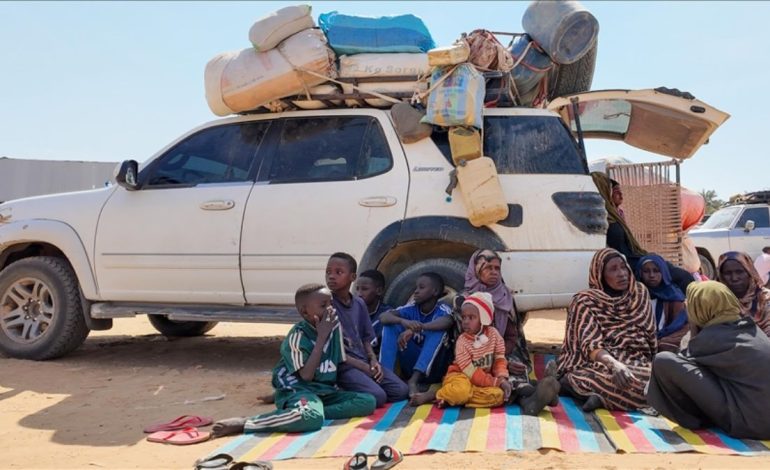

A recent visit by a United Nations humanitarian team to the city of El-Fasher has confirmed aid workers’ gravest reports: the streets are hauntingly empty, and the civilians who remain are trapped in a deepening nightmare of deprivation and fear. This brief access, the first in nearly two years, peeled back the curtain on a city fundamentally broken after its capture by the paramilitary Rapid Support Forces in October.
For over 500 days, El-Fasher endured a brutal siege. Its fall was reportedly accompanied by mass atrocities, including massacres, torture, and widespread sexual violence. Satellite imagery has indicated the grim presence of what appear to be mass graves on the city’s outskirts. Now, for those who survived, a new phase of suffering has taken hold.
UN aid coordinator Denise Brown described a city without the most basic elements for life. The traumatized population still in El-Fasher is living without reliable access to water or sanitation—a combination that breeds disease in an environment already stalked by famine. The silence of the empty streets speaks not of peace, but of a community shattered; many fled, while those who could not now face a daily struggle for survival in a ghost town haunted by violence and hunger.
This short visit underscores a devastating reality. The fall of El-Fasher was not an end to the crisis but a catastrophic transformation. The city has shifted from a besieged fortress to a controlled territory where the immediate threats of violence have been compounded by the slow, grinding toll of starvation and disease. The world is receiving a clear message from those empty streets: the humanitarian catastrophe in Sudan is not receding but deepening, and the people of El-Fasher cannot be left in this silent, desperate void.
Also Read:
Trump and Netanyahu Set to Discuss the Next Phase of the Gaza Plan
Syria Announces New Currency Framework: What the 2-Zero Redenomination Means