





Soudah Waterfall is Designated as The Second Ramsar Wetland in Saudi Arabia
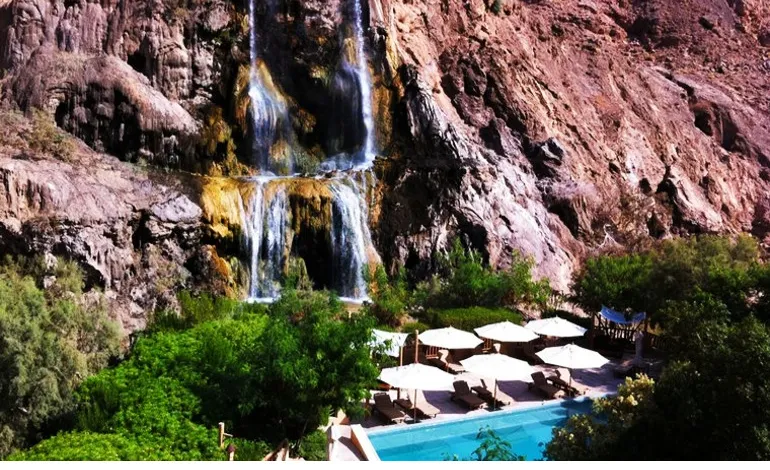

RIYADH: Deep in the misty highlands of Aseer, where monsoon clouds sail across terraced mountainsides, one of Saudi Arabia’s most unique natural attractions has been recognised internationally.
The Soudah Waterfall, a year-round cascade in the Kingdom’s highest mountain area, has been designated a Wetland of International Importance under the Ramsar Convention, making it the second site in Saudi Arabia to receive this status.
The National Center for Wildlife and Soudah Development’s decision comes as more is being done to protect some of the most biologically important regions in the Kingdom as environmental conservation plays a bigger role under Vision 2030.
It is a rare waterfall in Saudi Arabia, where permanent rivers in the mountains are rare, and is situated in the Soudah highlands at an elevation of more than 2,400 meters above sea level. Locally called Wadi Al-Aziza, the site spans about 30 hectares and is dominated by a spectacular 600-meter rocky valley, nourished by perennial springs and pools.
Seasonal southwestern monsoon winds blow moisture inward, shaping the terrain and creating pockets of greenery and wet ecosystems that contrast sharply with the region’s better-known desert surroundings.
The unusual location has contributed to making the region a biodiversity hotspot. The location is of special interest to scientists because it lies within the overlap of the Paleotropical and Afrotropical floristic zones, which has produced a vast diversity of plant and animal life, including rare and unique species.
Also Read:
Rights Organisations Warn of Systemic Abuse of Palestinian Children in Detention
Scientists Uncover More About Unusual Ebola Virus in Congo Epidemics