
Trump Declares Victory: How Iran Still Holds Power Over the Strait of Hormuz
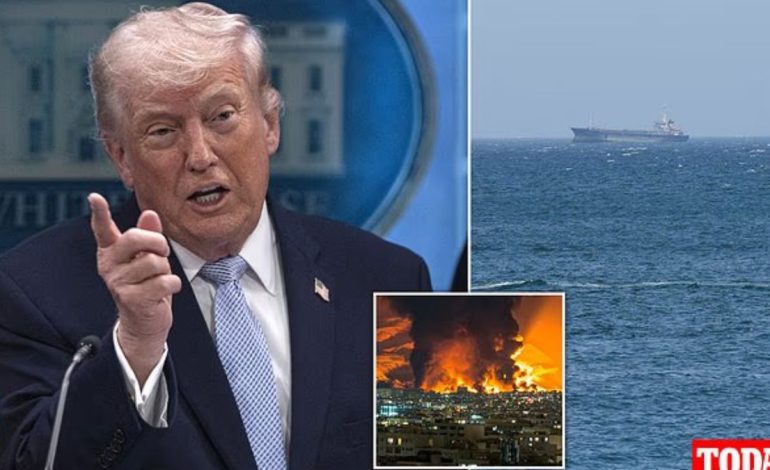

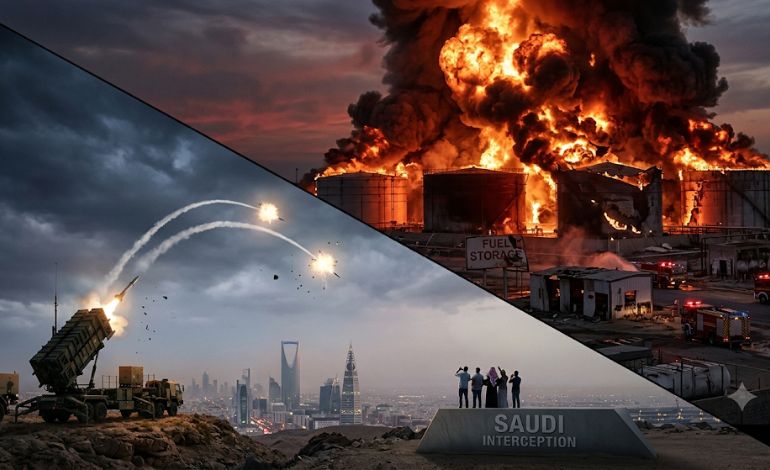
A two-week ceasefire has halted nearly six weeks of war between the US and Iran, with President Donald Trump declaring “total and complete victory.” However, analysts warn that the conflict has fundamentally shifted power dynamics in the region, leaving Tehran as the effective gatekeeper of a critical global shipping corridor.
A Strategic Reversal
Before the war, Iran monitored the Strait of Hormuz but stopped short of asserting outright control over this narrow passage carrying roughly one-fifth of the world’s oil and gas. The conflict has transformed that dynamic entirely. Iran has moved from shadowing tankers to effectively dictating terms of passage—a dramatic consolidation of leverage over global energy markets.
“This war will be remembered as Trump’s grave strategic miscalculation. One whose consequences reshaped the region in unintended ways,” Middle East scholar Fawaz Gerges told Reuters.
Unmet War Objectives
Despite Trump’s victory claims, Iran’s core instruments of power remain intact. The Islamic Republic retained control of its enriched uranium stockpile, maintained ballistic missile and drone production capabilities, and sustained its network of regional allies through Hezbollah and Shi’ite militias. The regime remains firmly in control at home, despite economic devastation.
“What did the US-Israeli war actually achieve?” asked Gerges. “Regime change in Tehran? No. The surrender of the Islamic Republic? No. Containment of Iran’s stockpile of highly enriched uranium? No.”
Iran has absorbed sustained bombing while strengthening, rather than weakening, its core strategic position.
The Hormuz Question
Iran’s control of the Strait represents perhaps the war’s most consequential outcome. The country now functions as the de facto gatekeeper, selectively deciding which ships passage and on what terms. Iran wants to charge vessels for safe passage—a move that would extract millions per ship and reverberate through global energy markets.
For Gulf states dependent on Hormuz for oil exports, this outcome constitutes a fundamental threat. “Any outcome that leaves the waterway effectively in Iranian hands would be a defeat for President Trump,” noted Saudi analyst Ali Shihabi, warning of potential economic repercussions extending into US midterm elections.
A Fragile Pause
Ebtesam Al-Ketbi, president of the Emirates Policy Center, characterized the ceasefire as a fragile pause rather than a solution. “This ceasefire is not a solution; it is a test of intentions,” she told Reuters.
Without a comprehensive settlement addressing ballistic missiles, drones, proxies, nuclear concerns, and Hormuz governance, the ceasefire risks institutionalizing Iranian leverage rather than constraining it. Any narrow deal leaving core issues unresolved would amount to “a tactical pause before a more dangerous and complex escalation,” Al-Ketbi warned.
Iran’s Negotiating Position
Iran has presented Washington with ambitious terms: sanctions relief, recognition of uranium enrichment rights, compensation for war damage, and continued control over the Strait. The vast gap between Iranian demands and American objectives underscores the difficulty of achieving a permanent settlement.
Trump called Iran’s plan “a workable basis to negotiate,” but Israeli officials and Gulf partners expect stricter conditions, including removal of nuclear material, halted enrichment, and ballistic missile elimination.
The Real Cost
Beyond regional implications, the conflict has fundamentally altered the governance model for one of the world’s most critical shipping lanes. If Iran successfully extracts shipping fees as part of a final agreement, the consequences extend far beyond the Gulf—hitting global energy prices and the economic lifelines of nations worldwide.
“If Iran can extract millions per ship, the implications are enormous — not just for the Gulf, but for the global economy,” Al-Ketbi said.
As talks begin Friday in Islamabad, the region faces a critical test: whether the ceasefire evolves into a comprehensive settlement or becomes a temporary lull before escalation resumes.
Also Read:
Two Injured in Bahrain Drone Strike Linked to Iran
Tragedy in Lebanon: Man Hunts for Family Mementos in Bombed Home