




How Apple Is Using Visual Artificial Intelligence to Shape Future Technology

Apple has built its reputation on revolutionary devices and seamless experiences. From the iPhone that changed everything to wearables that became essential, the company consistently finds ways to surprise and delight users. Now Apple is turning its attention to something that could reshape how people interact with their devices: advanced visual technology that lets machines interpret and understand images and videos the way humans do.
A New Kind of Technology is Arriving
Visual technology is already transforming industries worldwide. Unlike systems that process text or numbers, visual technology works with images and video streams. It can recognize objects in real time. It can analyze scenes and understand what’s happening. It can identify landmarks, read text from pictures, and even understand the context of what it’s looking at.
For device makers like Apple, this technology opens new possibilities. Imagine an iPhone that doesn’t just take photos but understands them. A device that can identify what you’re looking at and provide useful information. Technology that recognizes landmarks while you travel. Features that help you find products while shopping. Systems that help people with visual disabilities navigate the world around them.
This is no longer science fiction. It’s becoming real, and Apple is moving aggressively into this space.
Why Apple Is Well Positioned for This
Apple has advantages that few companies can match. The company controls everything: the hardware, the software, the entire ecosystem of devices. This integration matters enormously. When you own both the device and the software running on it, you can make them work together perfectly.
Think about what this means in practice. Visual technology requires serious computing power. Apple’s custom designed chips in iPhones and iPads can handle this work. The company’s software teams can optimize everything to work smoothly. Features that feel native. Performance that’s responsive and reliable.
Beyond hardware and software, Apple emphasizes something competitors talk about less: privacy. Processing visual data requires handling lots of information, but Apple has consistently chosen to process this information directly on your device rather than sending it to distant servers. Your photos stay on your iPhone. Your videos stay on your iPad. The system understands what it’s looking at without that data ever leaving your device.
In an era where people worry about what companies do with their personal data, this privacy focused approach could become Apple’s biggest advantage.
What Could This Technology Actually Do
The possible applications are broad and exciting. Consider photography. Your iPhone could automatically understand what’s in a photo and suggest edits. It could organize your photos not just by date but by what’s actually in them. It could recognize faces, places, and objects without requiring you to tag anything manually.
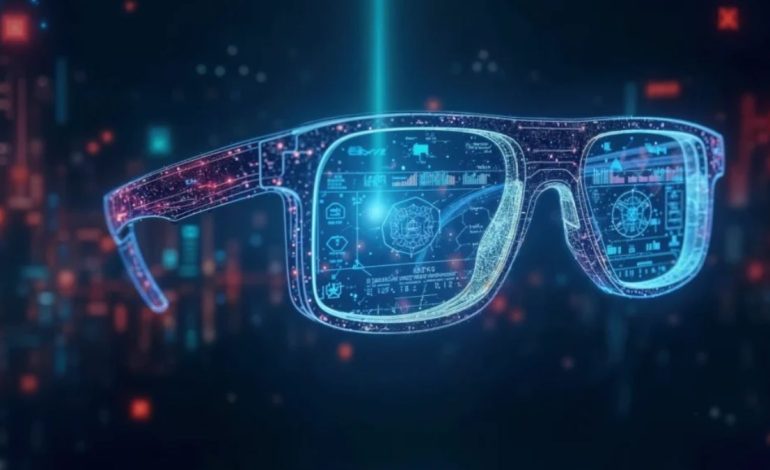
Augmented reality is another frontier. Imagine holding up your iPhone and seeing virtual objects placed naturally in your real world. Gaming becomes more immersive. Shopping becomes interactive. Education becomes more engaging. Apple’s long rumored headset could use this technology to let users interact with digital content overlaid on the real world.
Accessibility opens possibilities too. Technology that can read text in images helps people with visual impairments. Systems that can identify objects in the environment and describe them provide independence and capability. Navigation assistance for people with different needs becomes possible.
There’s also retail and shopping. Visual search through your camera lets you point at something and find it for sale online. That shirt you saw on someone. That furniture piece you spotted. The book cover that caught your eye. Find it instantly through visual technology.
The Technical Challenges Are Real
This sounds wonderful in theory, but Apple faces genuine challenges. Processing visual information requires enormous computing power. Algorithms need to be optimized to work on phones and tablets, not just powerful computers. The technology needs to work across countless different situations and contexts.
There’s also the matter of reliability and accuracy. Vision technology needs to get things right consistently. A system that usually recognizes objects correctly but sometimes fails erodes user trust. Apple will need technology that’s dependable across diverse situations.
Privacy and security add complexity too. Protecting user data while delivering powerful features requires careful engineering. Apple will need to prove that its privacy focused approach doesn’t compromise functionality. That’s an engineering challenge but also a marketing one.
What This Means for the Future
Apple’s push into visual technology signals where the company thinks consumer technology is headed. Not toward more screens that force you to stare at displays. Not toward more ways to distract you. Instead, toward technology that understands the world around you. Technology that enhances your experience without getting in the way.
This approach aligns with Apple’s philosophy. Make technology that disappears into the background. Create experiences that feel natural and intuitive. Build devices that people want to use because they just work.
If Apple succeeds in implementing visual technology across its product ecosystem, the impact could be significant. iPhone photography becomes dramatically more powerful. iPad applications become more interactive and useful. Apple Watch gains new capabilities. Even Mac computers could benefit from better image understanding.
And the rumored Apple headset becomes far more compelling. A device that understands the real world around you and overlays digital information onto it naturally could redefine computing for a generation.
The Competitive Landscape
Apple isn’t alone in pursuing this technology. Google, Microsoft, and other tech giants are investing heavily in visual understanding systems. Samsung and other device makers are exploring similar capabilities.
What could set Apple apart isn’t just the technology itself but how the company deploys it. Apple’s ecosystem integration means features work seamlessly across devices. Apple’s privacy focus provides a differentiator. Apple’s hardware quality ensures the devices can actually handle these demands.
The company’s proven track record of making complex technology feel simple and intuitive could matter most. Visual technology is powerful, but only if regular people can use it without struggling.
When Will This Arrive
Apple doesn’t typically announce technology until it’s ready to deliver. The company won’t release half baked features. It will wait until the experience is polished, reliable, and feels genuinely useful.
Based on recent announcements and reported development efforts, we’re likely looking at the next few years for meaningful integration of visual technology into consumer devices. Not everything at once, but gradually as the technology matures and the applications become clear.
The rumors surrounding an Apple headset suggest that device might be a flagship product for this technology. A device designed from the ground up to understand and interact with the visual world around you.
Bottom Line
Apple’s investment in visual technology isn’t just about adding new features. It’s about fundamentally rethinking how devices can understand and interact with the world. It’s about making technology more intuitive, more helpful, and more integrated into everyday life.
The company’s combination of hardware expertise, software sophistication, and privacy commitment puts it in a strong position. If Apple executes well, visual technology could become as essential to modern devices as touchscreens were after the iPhone.
The future of Apple’s devices is becoming clearer. It’s a future where your iPhone and iPad and other devices don’t just show you information. They see what you’re looking at. They understand your environment. They help you interact with the world in ways that feel natural and intuitive. That’s the promise of visual technology. And Apple is betting big on making it real.
Technology is evolving. Apple is pushing forward into new territory.
Also Read: