

Donald Trump Signals Joint Decision With Netanyahu on Ending Iran War
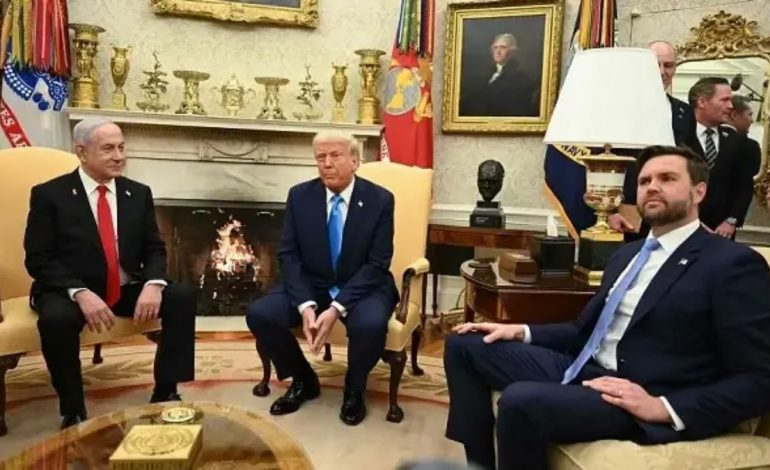

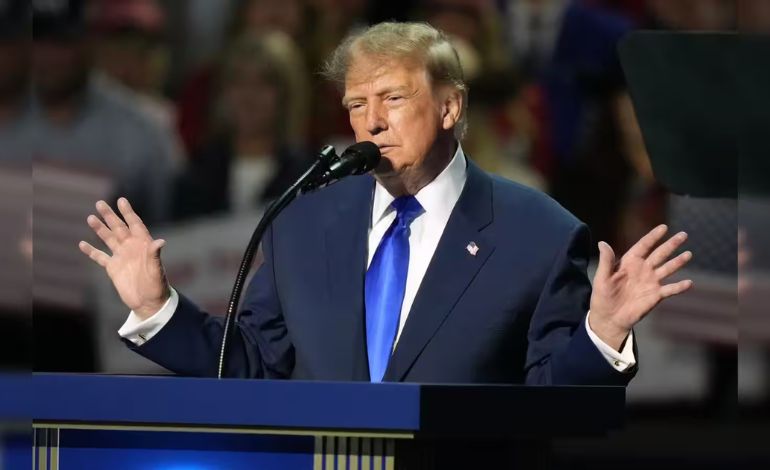
In a phone interview with The Times of Israel on Sunday, President Donald Trump indicated that decisions regarding the resolution of the conflict with Iran would be made jointly with Israeli Prime Minister Benjamin Netanyahu, underscoring the tight coordination between Washington and Jerusalem on this critical foreign policy matter. The statement provides insight into the administration’s approach to Middle Eastern conflict management and the centrality of Israeli input in American decision-making on the region.
A “Mutual” Decision Framework
Trump characterized the approach to ending the Iran conflict as fundamentally “mutual,” emphasizing the collaborative nature of decision-making between the United States and Israel. This framing suggests that neither nation would unilaterally determine when to pursue conflict resolution, but rather that both would have significant voice in shaping the timeline and conditions for such decisions.
“I think it’s mutual… a little bit. We’ve been talking. I’ll make a decision at the right time, but everything’s going to be taken into account,” Trump said in the conversation. The language conveys a balanced approach where American presidential authority ultimately remains central—“I’ll make a decision”—while simultaneously emphasizing that Israeli perspectives and concerns will weigh heavily in that determination.
The qualification “a little bit” appears to acknowledge some asymmetry in the relationship, with the United States maintaining ultimate decision authority while granting substantial input to Israel. This nuance reflects the complex dynamics of the U.S.-Israel relationship, where fundamental strategic alignment coexists with distinct national interests that occasionally diverge.
Ongoing Consultations and Dialogue
Trump’s reference to ongoing conversations with Netanyahu suggests that consultations between the two leaders have already commenced regarding potential pathways to conflict resolution. The statement indicates that these discussions are substantive and continuous, with both leaders actively engaged in exploring approaches to the situation.
The emphasis on consultation distinguishes Trump’s approach from more unilateral decision-making models where one nation might determine policy without meaningful input from close allies. By highlighting that conversations are ongoing, Trump signals that the administration takes Israeli perspectives seriously and that important decisions will emerge from dialogue rather than imposed decisions.
This collaborative framework extends beyond rhetoric to potentially shape actual policy implementation. When key decisions involve shared deliberation, they often gain greater legitimacy and commitment from both parties, reducing the likelihood of later disputes about interpretation or implementation.
The Timing Question: “At the Right Time”
Trump’s reference to making a decision “at the right time” leaves substantial room for interpretation regarding when such a determination might occur. The statement does not provide specific timelines, conditions that must be met, or benchmarks that would signal the “right time” has arrived.
This open-ended approach provides flexibility in several respects. It allows the administration to pursue various diplomatic, economic, and military strategies without being constrained by predetermined timelines. It also permits adjustment as circumstances evolve, enabling decision-making to be responsive to changing conditions on the ground.
However, the ambiguity about timing also creates uncertainty for multiple audiences. Regional allies remain unsure about American commitment duration. Potential adversaries cannot predict when the United States might shift toward negotiation. Domestic audiences receive limited clarity about the administration’s strategic goals and expected duration of policies.
The invocation of timing suggests a deliberate strategy rather than reactive responding to events. Trump’s language indicates that his administration is considering when the optimal moment for decision-making might occur, with multiple factors influencing that determination.
“Everything’s Going to Be Taken Into Account”
The statement that “everything’s going to be taken into account” suggests a comprehensive approach to decision-making that considers multiple dimensions of the situation. This broad framing indicates that policy decisions will not rest on single factors but rather will integrate various considerations.
The factors that might be “taken into account” could include military assessments regarding the balance of forces, diplomatic developments with regional actors, intelligence regarding adversary intentions, domestic political considerations within both the United States and Israel, international community responses, economic impacts of sustained conflict, and humanitarian considerations regarding civilian populations affected by ongoing hostilities.
This holistic approach contrasts with narrower decision-making models that might prioritize single objectives—such as military victory, economic sanctions effectiveness, or domestic political preferences—above all other considerations. By indicating that everything will be considered, Trump frames policy-making as sophisticated and multifaceted.
Strategic Alliance Dynamics
The emphasis on joint decision-making reflects the fundamental strategic alignment between the United States and Israel on Middle Eastern policy. This partnership has remained one of the most consistent elements of American foreign policy across administrations and decades, despite occasional disagreements over specific strategies.
The U.S.-Israel relationship encompasses military cooperation, intelligence sharing, diplomatic coordination, and strategic planning. When President Trump signals that Netanyahu will have meaningful input on major decisions, he acknowledges this deep institutional and strategic relationship.
For Israel, securing American commitment to consultation on major decisions carries significant weight. It signals that American policy in the Middle East will not marginalize Israeli interests or proceed without meaningful Israeli input. This assurance matters particularly given Israel’s position as a relatively small nation surrounded by larger regional actors and adversaries.
For the United States, consulting meaningfully with Israel reflects recognition that Israeli security interests directly intersect with broader American strategic objectives in the Middle East. Israeli insights into regional dynamics, threat assessments, and potential consequences of various approaches provide valuable perspective that can inform American decision-making.
Implications for Conflict Resolution Strategies
Trump’s statement suggests that conflict resolution approaches will be shaped collaboratively by both nations. This raises important questions about what resolution might entail and what conditions might satisfy both American and Israeli interests.
Potential resolution approaches might include negotiated settlements with Iran, changes to sanctions regimes, diplomatic agreements addressing mutual security concerns, or transformations in regional security arrangements. The specific form that resolution takes will likely reflect considerations prioritized by both Washington and Jerusalem.
The collaborative framework also implies that resolution approaches must be acceptable to both nations. Either party could potentially block approaches deemed unacceptable, creating a dynamic where common ground must be found for policies to proceed. This can strengthen commitment to implemented decisions but may also complicate finding solutions if the two allies’ priorities diverge significantly.
Regional and International Considerations
The emphasis on U.S.-Israel coordination raises questions about how other regional actors and the broader international community might respond. Regional actors observing this close coordination must understand that policies affecting Iran will reflect both American and Israeli interests and concerns.
For nations concerned about regional stability, the collaborative U.S.-Israel approach offers both advantages and potential complications. It suggests coordinated strategy rather than conflicting approaches that might destabilize the region further. However, it also potentially signals to adversaries that multiple militarily capable nations will be aligned in responding to developments.
The international community observing from outside the region may perceive the emphasis on U.S.-Israel coordination with mixed reactions. Nations viewing the partnership positively may see reassurance in coordinated stability efforts. Nations skeptical of the relationship may perceive confirmation of their concerns about coordinated policies they view as problematic.
The Path Forward
Trump’s statement indicates that decisions regarding Iran conflict resolution remain under active consideration within the administration, with ongoing consultations informing the decision-making process. The emphasis on collaboration with Netanyahu signals that Israeli perspectives will substantially shape American policy approaches.
The deliberate unwillingness to specify timing, conditions, or exact decision criteria provides flexibility for the administration to adjust course as circumstances evolve. This approach permits response to developments while maintaining strategic ambiguity that may serve diplomatic purposes.
Whether this collaborative framework ultimately produces negotiated resolution, military escalation, sanctions adjustments, or some combination of approaches remains to be determined. The president’s statement indicates that when decisions do come, they will reflect consultation and consideration of multiple perspectives—a diplomatic approach that may increase the likelihood of sustained implementation and regional acceptance, though no outcome is predetermined or assured.
For observers seeking clarity on Middle Eastern policy direction, Trump’s emphasis on mutual decision-making with Netanyahu provides important insight into the administration’s fundamental approach: decisions will emerge from close coordination between Washington and Jerusalem, reflecting the strategic partnership at the foundation of American Middle Eastern policy.
Also Read:
Rising Tensions in the Middle East: Arab League Calls Meeting After Iran Strikes
Iran Issues Apology to Neighboring Nations Following Regional Attacks