
Iraq Hit by Total Blackout: Ministry Explains the Cause and Impact
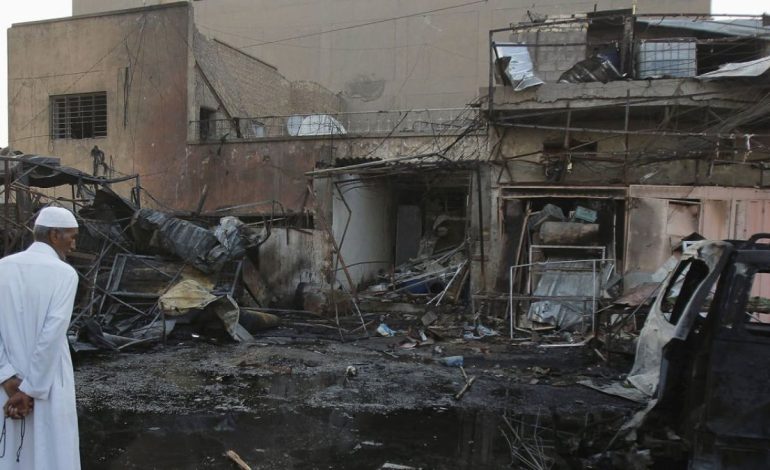

BAGHDAD — Across Iraq’s eighteen provinces, the lights went out Wednesday and stayed out. The entire national power grid shut down completely, plunging the country into darkness and exposing once again the fragility of a system that has never fully recovered from decades of war, sanctions, and neglect.
The electricity ministry moved quickly to explain what happened. A “sudden drop in gas supplies” to the Rumaila power plant in the southern province of Basra caused a rapid loss of 1,900 megawatts. That loss cascaded through the grid, overwhelming the system and triggering a total shutdown.
Work has begun to restore power gradually, the ministry said. But for millions of Iraqis, the blackout is more than an inconvenience. It is a reminder that in a country blessed with some of the world’s largest oil and gas reserves, the basics still cannot be taken for granted.
A System on the Edge
Iraq’s electricity sector has been in crisis for decades. Years of war destroyed infrastructure. International sanctions prevented maintenance and upgrades. Corruption siphoned funds meant for repairs. And a growing population means demand always outstrips supply.
Even in normal times, Iraqis endure hours of daily outages. In summer, when temperatures soar past 50 degrees Celsius, the lack of power becomes life-threatening. Hospitals run on generators. Families sleep on roofs seeking relief from the heat. Businesses lose productivity.
But a total grid collapse is different. It means nothing works—not the traffic lights, not the water pumps, not the refrigerators storing medicine. For however long the blackout lasts, Iraq reverts to an earlier century.
The Gas Problem
The immediate cause of Wednesday’s collapse was a drop in gas supplies to Rumaila, one of the country’s most important power plants. Rumaila sits in the heart of Iraq’s oil country, yet the plant depends on gas that is often in short supply.
Iraq flares enormous quantities of natural gas because it lacks the infrastructure to capture and process it. At the same time, it imports gas and electricity from Iran to keep the lights on. This paradox—an energy-rich country unable to power itself—sums up Iraq’s larger tragedy.
The gas drop that triggered Wednesday’s blackout may have technical causes, but the underlying problem is structural. Iraq’s energy sector is a patchwork of aging facilities, political interference, and competing interests. It lurches from crisis to crisis, never quite collapsing entirely, never quite functioning properly.
War on the Doorstep
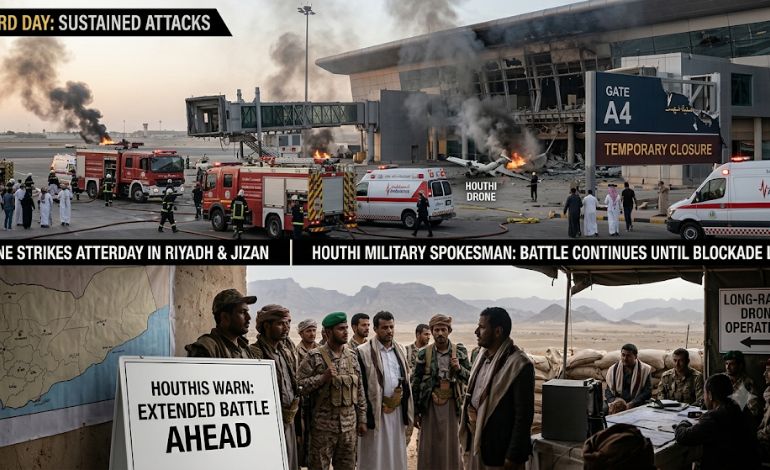
The blackout comes as the wider Middle East burns. US and Israeli forces are striking Iran. Iran is retaliating against Gulf states. Hezbollah has opened fire on Israel from Lebanon. And Iraq, stuck in the middle, watches nervously.
Parts of the country have already come under attack. Iranian-backed militias, powerful players in Iraqi politics, have their own agendas. US troops remain stationed at Iraqi bases. The risk of Iraq being drawn into the widening conflict is real.
Against that backdrop, a total power failure is more than an inconvenience. It is a vulnerability. A country without electricity cannot coordinate emergency responses. Cannot run communications reliably. Cannot protect its borders or its people.
What Comes Next
The electricity ministry says it is working to restore power gradually. That process could take hours or days, depending on the damage to the grid and the availability of gas to restart plants.
But even when the lights come back on, the underlying problems remain. Iraq needs billions of dollars in investment to fix its power sector. It needs political stability to attract that investment. It needs a government that can deliver basic services to its people.
None of those things are coming soon.
For now, Iraqis wait in the dark, hoping the generators start and the refrigerators stay cold, wondering when—or if—their country will ever have reliable power. The blackout will end. The crisis will not.
Also Read:
What the UK Shelter-in-Place Warning Means for Citizens in the Gulf
Iran Strikes Impact UAE: Defense Ministry Confirms Three Deaths and 58 Injuries