


Legal Relief for NGOs as Supreme Court of Israel Pauses Gaza Restrictions
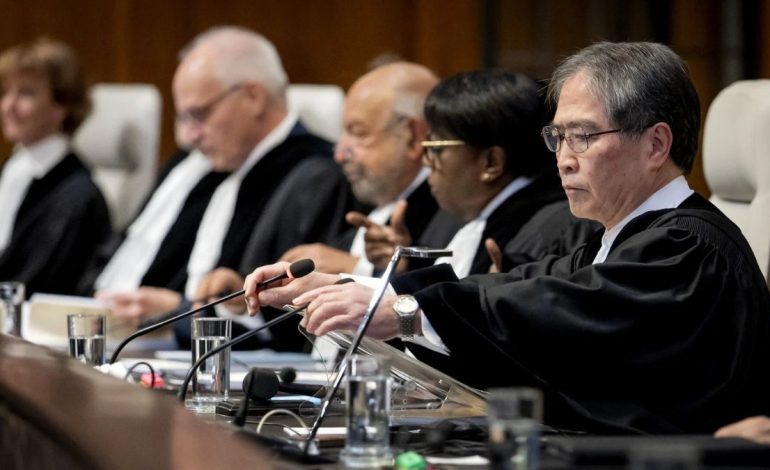

In a significant legal development, Israel’s Supreme Court on Friday issued a temporary injunction freezing a government ban on 37 foreign NGOs operating in Gaza and the occupied West Bank pending a final decision.
The ruling responds to a petition filed by more than a dozen organizations seeking to reverse the ban after Israel’s government revoked their registration status. “Without taking any position, a temporary interim order is hereby issued,” the court stated.
What Was at Stake
The organizations—including Doctors Without Borders (MSF), Oxfam, the Norwegian Refugee Council, and CARE—were notified on December 30, 2025, that their Israeli registrations had expired. They were given 60 days to renew by providing lists of their Palestinian staff. Failure to do so would mean ceasing operations in Gaza and the West Bank, including east Jerusalem, effective March 1.
The NGOs refused to provide employee lists, citing responsibilities to staff privacy under European law. The court acknowledged this as a “genuine legal dispute.”
Cautious Optimism
Athena Rayburn, director of AIDA, the umbrella organization that filed the petition, called the injunction “a step in the right direction” while noting uncertainty about implementation. “We are still waiting to see how the injunction will be interpreted by the state and whether or not this will mean an increase in our ability to operate.”
Yotam Ben-Hillel, a lawyer representing the NGOs, welcomed the decision but told AFP, “We still don’t know how it will play out.” He framed the ruling in human terms: “Today, the High Court of Justice has given the residents of Gaza and the West Bank some breathing room.”
On the Ground Reality
Despite the legal relief, practical challenges remain. Craig Kenzie, a project coordinator for MSF in Gaza, told AFP that the organization’s 28 foreign staff left the territory on Thursday and would not be able to return unless the ban is reversed.
“It’s a positive step, but it’s very light on the details so it’s not clear what that results in in terms of getting supplies and foreign staff inside,” he said.
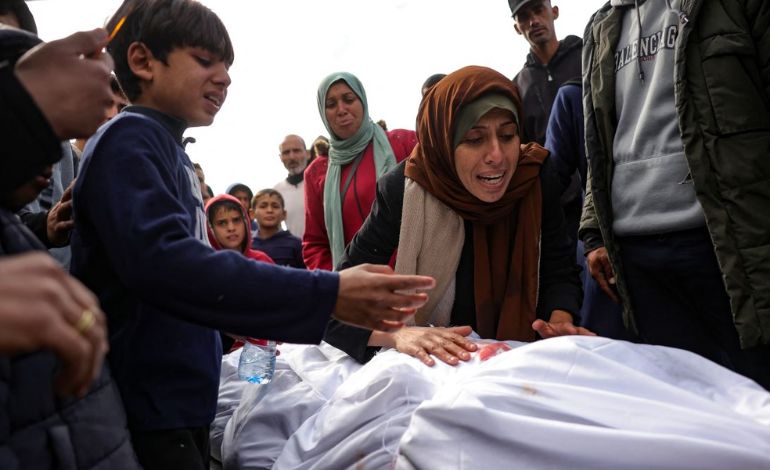
MSF’s supplies are running low—none have been allowed in since the end of 2025. While 1,200 Palestinian staff continue day-to-day operations including clean water provision, surgeries, and maternity health, the organization’s ability to sustain its work depends on resupply.
Kenzie noted that although commercial cargo enters Gaza, the goods are unaffordable for many Gazans left destitute by the war. No other deregistered NGO has been able to bring in supplies in recent months.
What It Means
The Supreme Court’s injunction provides temporary relief, but the underlying dispute remains unresolved. The NGOs continue to resist providing employee lists. The government continues to assert its authority to regulate foreign organizations. And in Gaza, where needs are immense, uncertainty persists.
For now, organizations can theoretically continue operating. Whether they can actually bring in supplies, rotate staff, and maintain programs depends on how the injunction is implemented—and what comes next.
The court has given everyone breathing room. How long that lasts, and what happens when it ends, remains to be seen.
Also Read:
Saudi FM Holds Key Phone Conversations with Turkey, Oman and Egypt Officials
How Guidance Programs at the Two Holy Mosques Support Pilgrims