


Saudi FM Holds Key Phone Conversations with Turkey, Oman and Egypt Officials
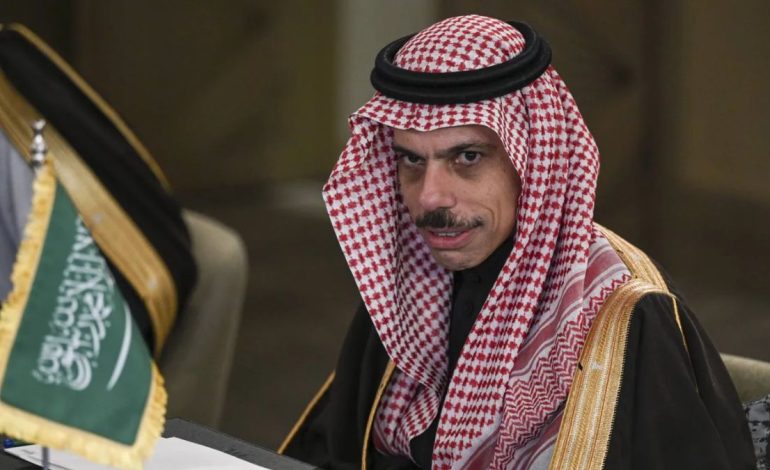

Saudi Arabia’s top diplomat engaged in a series of high-level phone calls early Friday, speaking with his counterparts from Turkey, Oman, and Egypt in discussions that signal the Kingdom’s continued diplomatic engagement across the region.
Foreign Minister Prince Faisal bin Farhan received calls from Turkish Foreign Minister Hakan Fidan, Omani Foreign Minister Badr bin Hamad bin Hamoud Al-Busaidi, and Egyptian Foreign Minister Badr Abdelatty, the Ministry of Foreign Affairs announced in a series of tweets.
Regional Focus
According to the Saudi Press Agency, the conversations addressed “recent regional developments and the efforts being made to address them.” While specifics were not disclosed, the range of participants—spanning a NATO member, a Gulf Cooperation Council partner, and Africa’s most populous Arab nation—suggests discussions of broad regional significance.
The calls come at a time of multiple ongoing regional issues: the war in Gaza and its aftermath, efforts to stabilize Lebanon, developments in Syria, tensions in the Red Sea, and continuing diplomatic engagement with Iran following the China-brokered rapprochement.
Strategic Partners
Each counterpart represents a distinct but important relationship for Saudi Arabia:
- Turkey, under President Recep Tayyip Erdogan, has repaired ties with Riyadh that frayed in the aftermath of the 2018 killing of journalist Jamal Khashoggi. Economic and defense cooperation has since expanded.
- Oman has long served as a regional mediator and diplomatic bridge, maintaining ties with both Gulf partners and Iran. Its foreign minister’s call suggests coordination on issues requiring quiet diplomacy.
- Egypt, a longstanding strategic partner, shares Saudi concerns about Red Sea security, regional stability, and economic cooperation through institutions like the Arab League and the Islamic Development Bank.
Diplomatic Rhythm
The series of calls reflects the rhythm of modern diplomacy: not always public, not always accompanied by announcements, but continuous and essential. Foreign ministers speak regularly, sharing assessments, coordinating positions, and building consensus.
For Saudi Arabia, such calls are part of a broader pattern of active regional engagement under Vision 2030. The Kingdom has positioned itself as a diplomatic hub and mediator, hosting talks between rival factions, engaging with all parties to regional conflicts, and maintaining channels of communication across the Middle East and beyond.
What It Means
The calls themselves, absent detailed readouts, convey a simple message: Saudi Arabia remains engaged. Its foreign minister is in regular contact with key regional counterparts. Discussions continue. Coordination proceeds.
In a region where communication breakdowns can escalate into conflicts, such routine diplomatic contact matters. The calls may not make headlines, but they maintain the connections that, when crises arise, can mean the difference between escalation and resolution.
Prince Faisal spoke with his counterparts. The conversations ended. The work of regional diplomacy continues.
Also Read:
How Guidance Programs at the Two Holy Mosques Support Pilgrims
The Rising Tensions in East Jerusalem: A Closer Look at Palestinian Displacement