


Saudi Cultural Panel Promotes Art, History, and Heritage in Damascus

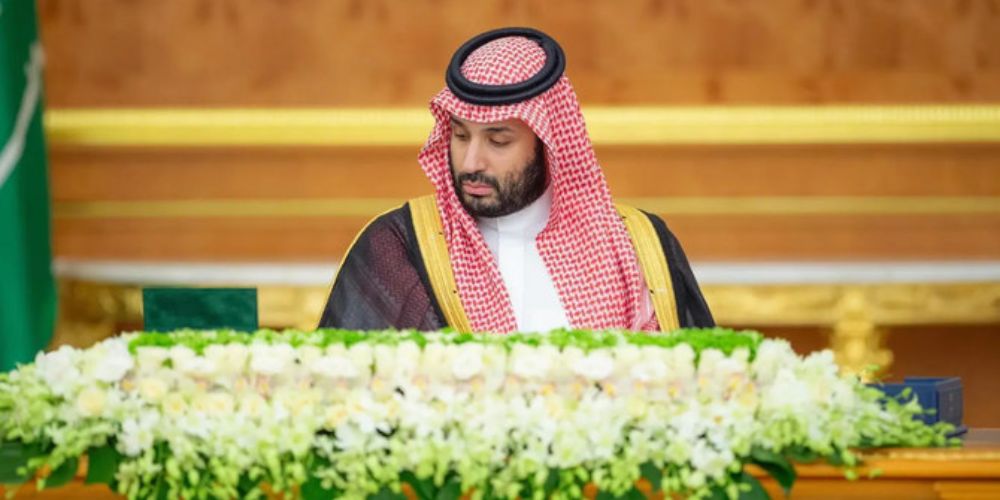
At the Damascus International Book Fair, which concluded on February 16, Saudi Arabia took its place as guest of honor—not merely with books, but with living culture. The Kingdom’s pavilion hosted a panel discussion on symbolism and heritage in traditional Saudi performing arts, offering visitors a window into the movements, rhythms, and meanings that have shaped cultural expression across generations.
The Theater and Performing Arts Commission convened the session, bringing together participants to examine folk arts including Ardah, Samri, and Al-Khatwa. These are not simply performances; they are repositories of memory, each step and cadence carrying weight accumulated over centuries.
Movements That Mean Something
The panel explored how collective movements and rhythms in traditional arts convey unity and social solidarity. In Ardah, the sword dance performed at celebrations and national events, synchronized steps and chants express communal strength. In Samri, poetic verses accompanied by rhythmic clapping tell stories of love, honor, and belonging. Al-Khatwa, a slower, more deliberate performance, carries its own symbolic language.
These are not abstractions. For Saudis, the arts are living connections to history—ways of understanding who they are and where they come from. The panel’s discussion of their symbolic meanings helped Damascus audiences grasp what might otherwise remain inaccessible: the values encoded in movement, the identity expressed in rhythm.
Costumes, Tools, and Lyrics
Beyond movement, the seminar examined the symbolism of costumes, performance tools, and lyrics. Traditional dress for these arts is not decorative; it communicates regional identity, social status, and occasion. The swords carried in Ardah are not props; they reference the art’s origins in battle preparations. The poetry sung in Samri carries layers of meaning that unfold with each verse.
Preserving these elements in contemporary contexts requires strategy as well as reverence. The panel discussed how to maintain authenticity while allowing traditional arts to remain relevant—a balance Saudi cultural institutions have been navigating with increasing sophistication.
Vision 2030 in Damascus
Saudi Arabia’s participation in the Damascus fair, and this panel specifically, aligns with Vision 2030’s goals of knowledge sharing and cultural leadership. The Kingdom has invested heavily in presenting its heritage to regional and international audiences, not as a static collection of artifacts but as a living, evolving tradition.
The pavilion’s broader program highlighted creativity and cultural exchange, but the performing arts panel offered something distinct: an opportunity for audiences to engage not just with objects but with practices, not just with history but with living tradition.
Fostering Dialogue
The seminar was part of the Theater and Performing Arts Commission’s ongoing efforts to promote Saudi culture at regional and international forums. By highlighting the rich heritage of traditional performing arts, the commission aims to foster cultural dialogue with diverse audiences—dialogue that begins with understanding and deepens through shared appreciation.
For those who attended in Damascus, the panel offered an introduction to worlds within worlds: the meanings carried by a step, the history encoded in a rhythm, the identity expressed in a collective movement. For Saudi cultural officials, it represented another step in a longer journey: ensuring that the Kingdom’s artistic heritage is not only preserved but shared, not only celebrated but understood.
In a pavilion at a book fair, under the gaze of visitors from across the region, traditional Saudi arts spoke. And those who listened heard more than music. They heard a culture, alive and in motion.
Also Read:
What the Saudi Arabia and EU Industrial Deal Means for Global Supply Chains
What the 1.8% Inflation Rate Means for Consumers in Saudi Arabia