

Saudi Arabia Promotes AI and Sustainable Tourism at UN Meeting in Kuwait
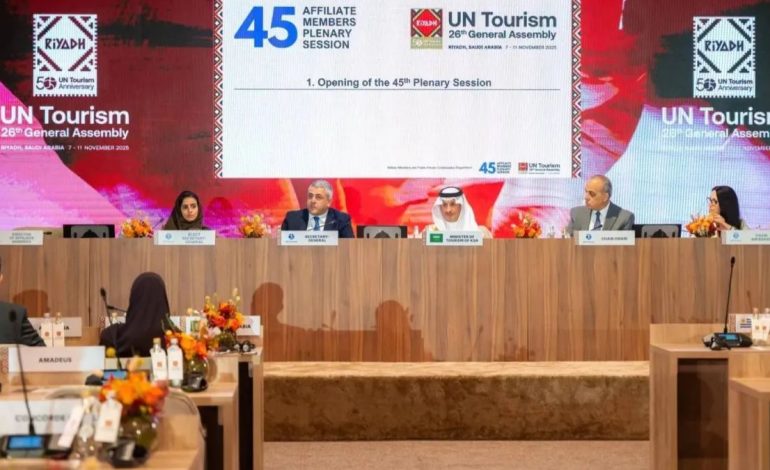

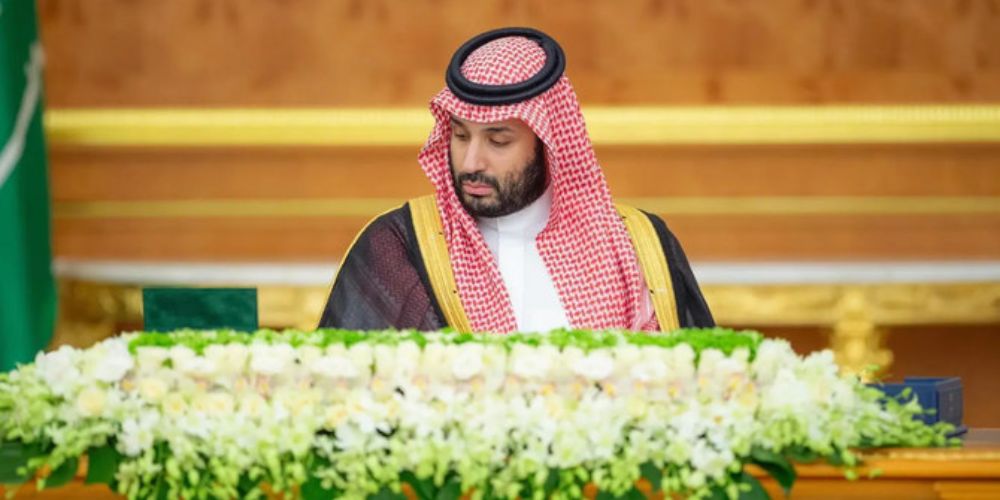
Tourism is no longer a supporting player in the global economy—it is a leading force. That was the central message delivered this week by Saudi Arabia’s Minister of Tourism, Ahmed Al-Khateeb, as he addressed the 52nd UN Tourism Regional Commission for the Middle East in Kuwait City.
Speaking at the opening of the three-day gathering, Al-Khateeb called for deeper international collaboration to build a tourism ecosystem that is integrated, resilient, and prepared for the future. “Tourism is no longer a peripheral activity but a massive engine of economic development,” he said. With an estimated contribution exceeding $10 trillion to global GDP, the sector now accounts for roughly 10 percent of the world economy.
A Region Rebounding—Led by Saudi Arabia
The Middle East, he noted, has staged an exceptional recovery. International arrivals surged 39 percent in 2025 compared to pre-pandemic 2019 levels, welcoming nearly 100 million visitors last year alone. At the heart of this resurgence is the Kingdom.
“We are proud that Saudi tourism’s uninterrupted growth has become a driving force for regional tourism,” Al-Khateeb stated. Saudi Arabia now represents approximately 30 percent of the Middle East tourism market, both in visitor numbers and spending.
Innovation with Humanity at Its Core
This year’s commission placed a spotlight on the role of emerging technologies—particularly artificial intelligence—in shaping tourism’s next chapter. Al-Khateeb was clear: innovation must be responsible. While AI offers powerful tools for growth and efficiency, he stressed that the “human touch” defining hospitality must remain central. Protecting the workforce and preserving authentic connection, he argued, are not obstacles to progress but essential components of it.
Building Bridges, Attracting Investment
On the sidelines of the meeting, the minister engaged with counterparts from across the region to strengthen coordination and explore pathways toward more resilient, inclusive tourism development. He also met with leading Kuwaiti investors to discuss opportunities within the Kingdom’s rapidly expanding tourism sector. Saudi Arabia’s integrated investment ecosystem, he emphasized, is designed to enable regional and international partners to achieve sustainable, long-term value.
From Riyadh Declaration to Regional Action
This week’s commission is the first regional gathering since last November’s 26th UN Tourism General Assembly, hosted in Riyadh. That landmark event produced the “Riyadh Declaration on the Future of Tourism,” a document establishing global consensus on sustainability, inclusive growth, and the responsible adoption of human-centered technology for the next fifty years.
As the Middle East continues to redefine itself as a global tourism hub, Saudi Arabia is positioning not just as a market leader, but as a architect of the sector’s future—one built on innovation, investment, and an unwavering commitment to the people at its heart.
Also Read:
Diriyah Becomes Center of Diplomacy as Saudi and Bahrain Crown Princes Meet
Royal Visit: Prince William’s Next Stop in Saudi Arabia is AlUla