



Two Years Apart: A Father’s Fight to Reunite With Family in Gaza

In a small rented apartment in an Egyptian village, a suitcase sits packed, filled with gifts and a fragile, towering hope. For Raed Belal, a 51-year-old father from Gaza, these bags represent the end of a two-year nightmare of separation and the possible beginning of a bittersweet homecoming.
Belal left Gaza in July 2023 for medical treatment, just three months before the war shattered his world. Since then, he has been stranded in Egypt, forced to watch from afar as his wife and five children endured bombardment, lost their home, and were displaced over a dozen times across the devastated territory.
“Being far away, while your children and family were in such a situation is awful. You live in constant fear,” Belal says, describing the torment of communication blackouts and the agony of once receiving—and then disproving—news of his son’s death. His family now lives in a tent in Gaza City, dependent on charity for food.
A Glimmer of Hope at the Crossing
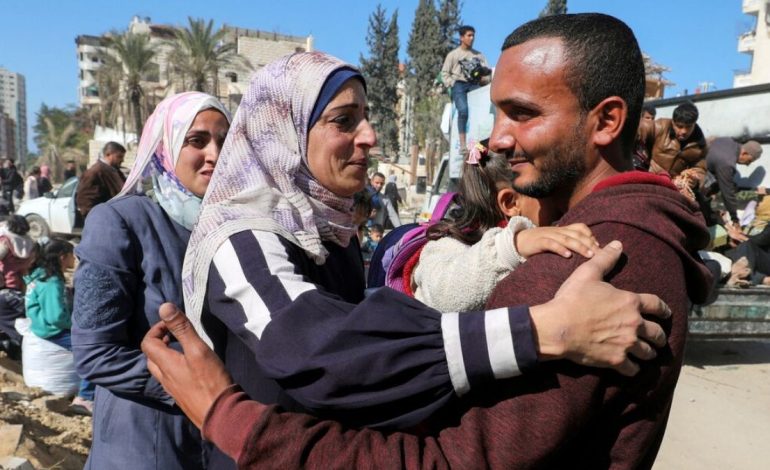
That long wait may finally be nearing an end. With Israel preparing to reopen the vital Rafah border crossing between Egypt and Gaza, Belal has registered to return. He is one of tens of thousands of Palestinians in Egypt clinging to the same hope, desperate to reunite with loved ones and see what remains of their homes.
“It’s the moment I have been waiting for,” he says. “The moment when I reunite with my children, when I return to my home and homeland, even if everything is destroyed.”
A Return to Rubble and a “Limited Opening”
The reality of return, however, will be harsh. The home containing his family’s apartment and his mobile phone shop was destroyed by an Israeli airstrike early in the war. His brother was killed in another strike. The Gaza his children describe is a landscape of loss and hunger.
Furthermore, the path home will be narrow and slow. Israeli Prime Minister Benjamin Netanyahu has termed the reopening a “limited opening,” suggesting a cap of just 50 Palestinians allowed to enter per day—a fraction of the pre-war traffic. For the estimated 30,000 who have registered to return from Egypt alone, the wait could stretch for months.
The Weight of Survival
From Gaza, his wife, Asmahan, speaks of the unbearable weight she has carried alone. “I’m mentally exhausted. The responsibility is immense,” she says. “We have been humiliated and degraded.” Her fervent wish now is for the crossing to open and for her husband to come home.
Belal understands the delays that may still lie ahead, even as his children dream of an imminent reunion. In his suitcase are simple, powerful tokens of normalcy: shoes and clothes for his sons, makeup and perfume for his young daughter—gifts bought for a life that once was, and for a future they must now rebuild from the rubble.
For Raed Belal, and for thousands of families torn apart, the reopening of the crossing is not a political footnote. It is the first step on the long road back to each other, to grief, to survival, and to the daunting task of piecing a life back together. The packed suitcase is a testament to a father’s love, and to the unwavering human will to go home, no matter what is left there.
Also Read: