



Netanyahu Calls Holding Elections Now a Risk for Israel
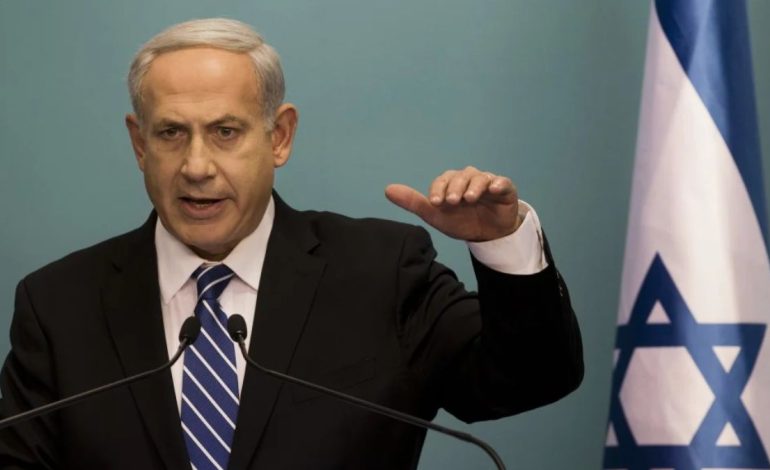

Israeli Prime Minister Benjamin Netanyahu has issued a stark warning, declaring that holding elections now would be a “mistake.” The statement comes as his government faces a critical juncture: the impending vote on a national budget that, if it fails, will trigger early elections.
At a televised press conference on Tuesday, Netanyahu acknowledged the precarious situation. “Of course I’m concerned… I think we’re in a very sensitive situation,” he stated. The Prime Minister argued that while elections are constitutionally required by November, the current moment demands stability. “I think the last thing we need right now is elections. We’ll have elections later on this year, but I think it’s a mistake to have them now.”
A Coalition on a Knife’s Edge
The core of the crisis lies in the Knesset, Israel’s parliament. Netanyahu’s ruling coalition maintains its majority only through the uncertain support of former allies from the ultra-Orthodox community. These parties formally left the government last year but have thus far refrained from voting to bring it down.
Their continued cooperation, however, hinges on a key demand. They are reluctant to support the upcoming budget—which faces its first parliamentary reading on Wednesday—until Netanyahu fulfills a promise to pass a law exempting their community from mandatory military conscription. This longstanding and deeply divisive issue has long been a flashpoint in Israeli politics.
The Stakes of the March 31 Deadline
According to Israeli law, failure to pass a state budget by March 31 automatically dissolves the government and forces a snap election. With elections already scheduled for later in the year, Netanyahu is striving to avoid what he frames as a costly and destabilizing early vote.
Netanyahu, Israel’s longest-serving Prime Minister with over 18 years in office across multiple terms, has already stated his intention to run again. His current government, which began its term amid massive protests over a controversial judicial overhaul plan, now finds its immediate future dependent on bridging internal rifts to pass a budget.
The Prime Minister’s appeal highlights the high-wire act of managing a fragile coalition. It underscores a tension between constitutional deadlines, coalitional demands, and his assessment of national interest. The coming weeks will determine whether Netanyahu can navigate these pressures to maintain his government, or if Israel is headed for an unexpected and heated electoral campaign months ahead of schedule.
Also Read:
Syria Intercepts Cocaine Cargo Linked to Brazil in Major Drug Bust
Survival in Gaza on the Edge as UN Warns of Brutal Living Conditions