


Syria Intercepts Cocaine Cargo Linked to Brazil in Major Drug Bust
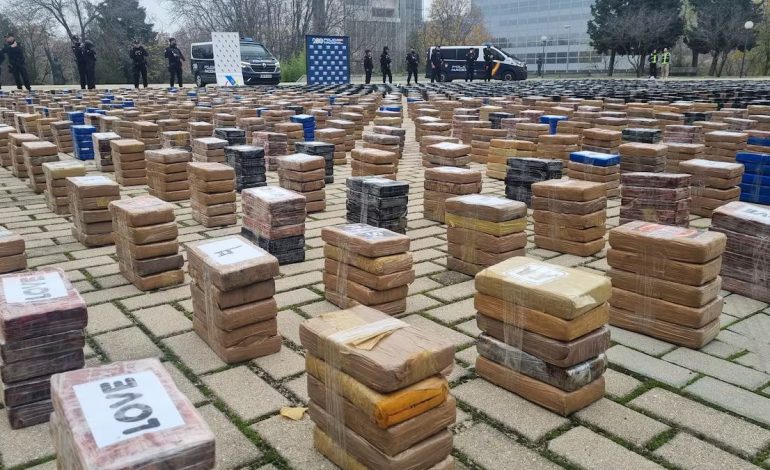

In a significant interdiction operation, Syrian authorities have announced the seizure of a large shipment of liquid cocaine at the Mediterranean port of Lattakia. According to a statement from the country’s Ministry of Interior, the illicit cargo, which originated in Brazil, was discovered on Monday concealed inside containers of vegetable oil.
The ministry reported that the drugs were intercepted before they could leave the port, crediting “precise intelligence” for the successful bust. The shipment was reportedly intended for distribution within the region, destined for a neighboring country.
Specialized security teams from Syria’s Anti-Narcotics Directorate are now investigating the case to identify the individuals and networks involved in the smuggling attempt. Officials framed the operation as a demonstration of the Directorate’s “ongoing efforts to combat drug trafficking and protect public security.”
This bust underscores several key trends in global narcotics trafficking. The use of liquid cocaine, often dissolved in legitimate goods like oil or alcohol, is a sophisticated concealment method designed to evade detection. Furthermore, the route from Brazil—a major cocaine production hub—to the Eastern Mediterranean highlights the expanding and complex pathways used by traffickers to move drugs across continents.
The interception at Lattakia, a key maritime gateway for Syria, points to the country’s ongoing struggles as both a potential transit point and a market for international drug cartels. While Syrian authorities have publicized several high-profile seizures in recent years, this incident illustrates the persistent challenge of policing porous borders and busy ports amidst regional instability.
The successful operation will likely be touted by Damascus as a win for its security apparatus. However, it also serves as a stark reminder of the vast, interconnected networks that continue to funnel narcotics through conflict-affected regions, seeking new routes and markets with little regard for national sovereignty or security.
Also Read:
Global Leaders Gather in Riyadh to Discuss the Future of Work
How Jazan Celebrates Coffee Culture While Keeping Stories Alive