

Middle East CEOs Lead Globally in Business Confidence and Growth Outlook


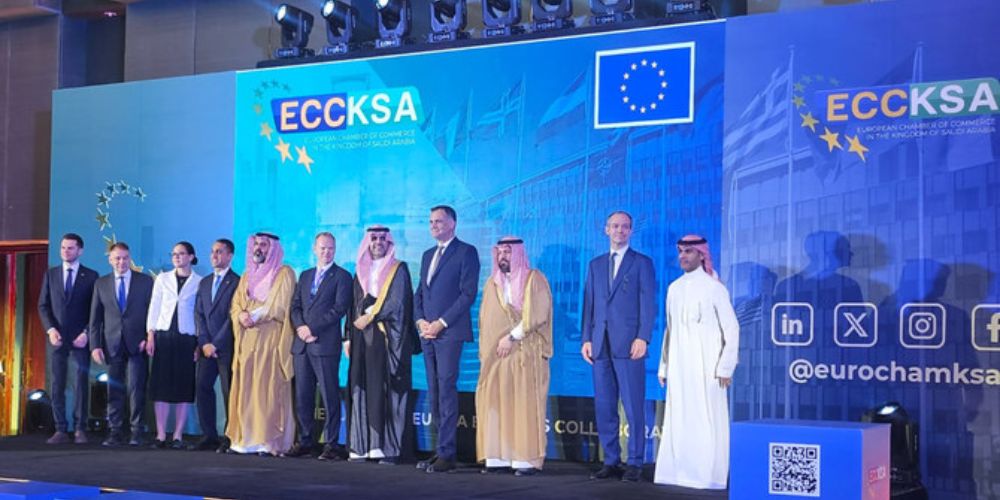
In a global business climate often characterized by caution, chief executives in the Middle East stand out as beacons of optimism. According to a new survey by PwC, a staggering 88% of Middle East CEOs expect their economies to strengthen, far outpacing the global average of 55%. In the Gulf Cooperation Council (GCC), this confidence soars to an even more remarkable 93%.
This isn’t mere sentiment; it’s a conviction backed by action. Business leaders across the region are actively deploying capital, scaling artificial intelligence, and expanding into new sectors. What fuels this exceptional confidence?
The Pillars of Regional Optimism
Experts point to a powerful, unique combination of factors:
- Visionary Execution: National transformation agendas like Saudi Vision 2030 and the UAE’s economic diversification plans are moving from blueprints to visible, large-scale projects. “Strategies are no longer abstract. They are visible, measurable, and moving,” notes Sarah El-Tarzi of Konnexions Communications.
- Fiscal Capacity & Decisiveness: The region possesses significant fiscal resources and political will to execute ambitious plans swiftly. Thomas Kuruvilla of Arthur D. Little highlights this “combination that is genuinely hard to replicate elsewhere.”
- Ecosystem-Driven Growth: Major giga-projects are seen not just as construction sites, but as “demand engines pulling entire ecosystems forward,” creating vast opportunities in adjacent industries from tech to tourism.
Strategic Investment and Regional Integration
This confidence translates into decisive capital allocation. The Middle East is now the most active region globally for outbound investment, with 88% of CEOs planning to invest outside their home markets. Crucially, nearly three-quarters of this capital stays within the Middle East, signaling a powerful trend of deeper regional integration and belief in local value creation.
Saudi Arabia and the UAE have cemented their roles as anchor markets, both ranking among the world’s top 10 investment destinations.
Leading the AI Revolution
The region isn’t just investing in bricks and mortar; it’s investing in intelligence. Middle East CEOs report significantly higher adoption of AI than their global peers. Over a third are integrating AI directly into their products and services (compared to fewer than one in five globally). This strategic adoption is strongest in customer-facing and operational functions, enabling faster, data-driven decision-making and scalability.
“The real opportunity is not in adopting this advanced technology faster, but the way in which it can be used more boldly,” observes Kuruvilla.
Navigating Risk with Discipline
This optimism is not blind to global challenges. Geopolitical conflict remains the top concern for CEOs in the region. However, their response is characterized by proactive management rather than retreat. A significant portion plan to reconfigure supply chains and are prepared to exit overly risky markets, demonstrating a disciplined approach to navigating uncertainty.
“Middle East CEOs are not deterred by global risk; they are planning through it,” notes Mona Abou Hana of PwC Middle East.
The Outlook: Confident, Capable, and Connected
The message from the region’s boardrooms is clear. Supported by long-term visions, tangible execution, and strategic technological adoption, Middle East CEOs are positioning their companies—and their economies—for a future defined by growth and resilience. Their confidence is a powerful indicator of a region transitioning from hydrocarbon wealth to a diversified, knowledge-based capital of global enterprise.
Also Read:
Yemen Security Forces Reveal STC Weapons and Explosives Used in Attacks
Trump and Al-Sharaa Call for Stronger Efforts to Keep Syria United