


Syrian Democratic Forces Pull Out of East Aleppo Amid Rising Tensions
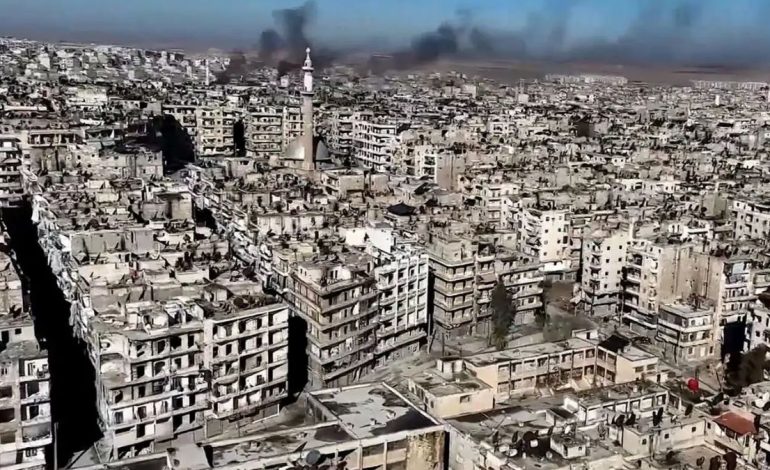

In a significant shift of ground in Syria’s complex conflict, the Kurdish-led Syrian Democratic Forces (SDF) have withdrawn from their positions east of Aleppo. The move, announced by SDF head Mazloum Abdi, signals a de-escalation of recent tensions but also redraws the lines of control in a strategically vital region.
Abdi stated that the pullback, which began at 7 a.m. local time on Saturday, was a response to calls from “friendly countries and mediators.” The forces are reportedly being redeployed to areas east of the Euphrates River, the SDF’s traditional stronghold.
The decision followed a flurry of diplomatic activity, including a visit by a U.S. military delegation to the town of Deir Hafer to meet with SDF officials. The United States, which maintains relations with both the SDF and the Syrian government, had been actively urging calm.
Government Forces Fill the Void
Almost immediately after the SDF withdrawal, the Syrian army announced its forces had begun entering the area, starting with the town of Deir Hafer. A statement carried by state television framed the move as a peaceful entry following the Kurdish agreement to withdraw, averting what many feared could become a new armed confrontation.
A Wave of Displacement Precedes the Shift
The military maneuvering was preceded by a human tide. In the days leading up to the withdrawal, hundreds of civilians, anticipating a potential offensive, fled SDF-held areas toward government-controlled zones. Packing vehicles with mattresses, clothes, and essential belongings, families used side roads to bypass blocked checkpoints.
The Syrian army had earlier declared a “humanitarian corridor” for evacuations, accusing the SDF of initially preventing civilians from leaving—a charge that underscored the tense and precarious situation for residents caught in the middle.
A Political Gesture Amidst Military Moves
Perhaps not coincidentally, just before the SDF’s withdrawal announcement, Syria’s interim President Ahmed Al-Sharaa issued a decree aimed at strengthening Kurdish rights. This move appears as a political overture, potentially aimed at easing the transition and addressing longstanding Kurdish demands for cultural and administrative recognition.
A Fragile Calm
This redeployment represents a tactical recalculation rather than a final resolution. It has temporarily cooled a flashpoint that threatened to ignite broader hostilities. For the SDF, it consolidates forces in their core territory. For the Syrian government, it marks a bloodless expansion of control over a key area near Aleppo.
The episode highlights the enduring role of external mediators and the fragile, patchwork nature of control in Syria. While open conflict was avoided this time, the underlying tensions over autonomy, territory, and power remain, leaving the region’s long-term stability still in question. The civilians who fled, now seeking shelter in government-held areas, embody the ongoing human cost of this uncertain landscape.
Also Read:
Middle East Space Conference 2026 to Be Held in Oman
UN Official Warns: Gaza Left in Ruins After Ongoing Conflict