
Saudi Arabia Brings Southern Yemeni Factions Together for Talks

In a decisive move aimed at halting a dangerous new spiral of conflict, Saudi Arabia has extended a formal invitation to the warring factions of south Yemen. The message from Riyadh is clear: the only path forward is through dialogue, not military escalation.
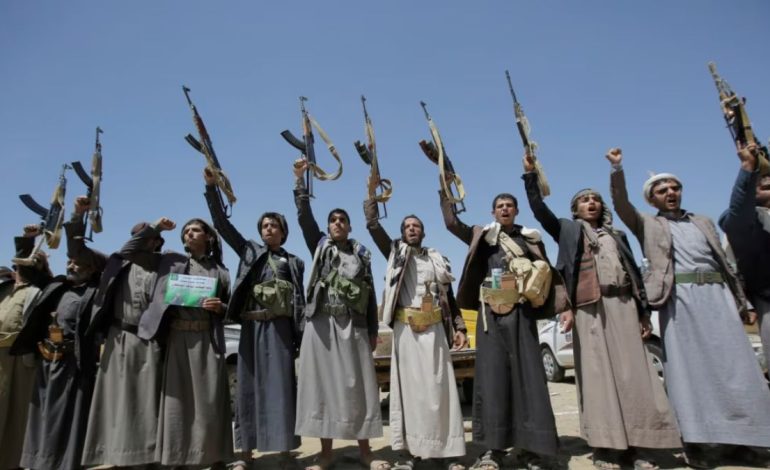
The Saudi foreign ministry’s call for talks comes at a critical juncture. Recent weeks have seen a sharp increase in tensions, primarily driven by the secessionist Southern Transitional Council (STC). The STC’s military advances into the resource-rich governorates of Hadramaut and Al-Mahra represent more than just a shift in the front lines; they strike at the heart of the fragile stability Saudi Arabia has labored to build.
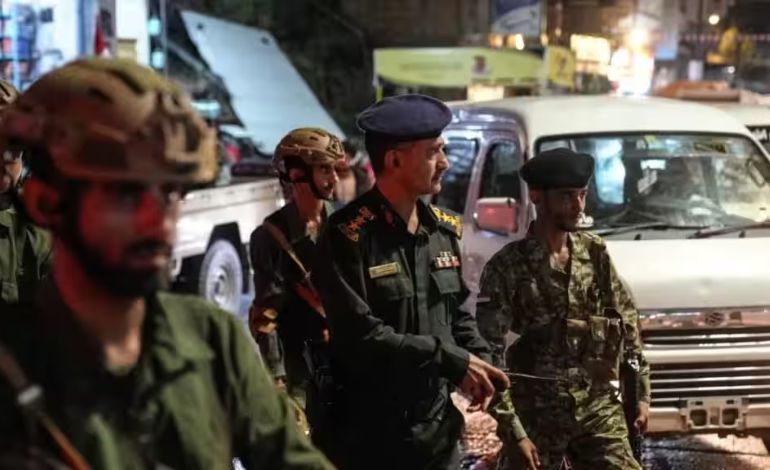
Riyadh’s statement leaves no room for ambiguity, labeling the STC’s actions “a direct threat to the Kingdom’s national security, and regional stability.” This is not merely diplomatic rhetoric. The coalition’s airstrikes this week on weapons shipments destined for southern separatist forces in the port of Al-Mukalla underscore the seriousness with which Riyadh views this threat. It is a stark demonstration that the Kingdom is willing to back its words with action to prevent the south from erupting into full-blown conflict.
Yet, alongside this firm stance lies the open hand of diplomacy. The conference, requested by Rashad Al-Alimi, President of the Yemeni Presidential Leadership Council, is framed as an opportunity to “discuss just solutions to the southern cause.” This phrasing is significant. It acknowledges the unique political aspirations of the southern people—a longstanding grievance—while insisting that those aspirations be realized through negotiation, not force.
Saudi Arabia’s goal is to forge a “comprehensive vision” for the south. In essence, Riyadh is attempting to broker a political settlement within the anti-Houthi bloc, knowing that a fractured south cannot be a reliable partner in any future peace process for Yemen as a whole. The Kingdom is not just hosting a meeting; it is trying to construct a unified southern platform that can engage coherently in the wider Yemeni peace process.
This initiative has not been launched in a vacuum. The recent expression of support for Yemen’s recognized government from Gulf and Arab countries provides crucial regional backing for this diplomatic push. It signals that the alternative to dialogue is further isolation for any group that chooses the path of unilateral military action.
The Stakes of the Summit
The upcoming talks in Riyadh represent a pivotal test. Can the deeply entrenched factions—from the STC to other southern movements and representatives of the Presidential Leadership Council—move beyond their immediate military objectives and articulate a shared political future? Can they agree on a model for governance, security, and resource-sharing that satisfies southern aspirations while preserving a framework for a Yemeni state?
The challenges are immense. Trust is in short supply, and the wounds of past conflicts run deep. However, Saudi Arabia, as the primary external power with leverage over most parties involved, may be the only actor capable of compelling them to the table.
For the people of south Yemen, weary from years of war and instability, this dialogue offers a glimmer of hope. A negotiated political solution is the only durable alternative to endless, destructive cycles of infighting. The world will be watching Riyadh closely, as this effort to mend the south’s fractures could prove to be the cornerstone—or the stumbling block—for peace in all of Yemen.
Also Read:
Fresh Clashes Kill Six During Iran Cost-of-Living Protests
Young Palestinian Boy Drowns as Flooding Hits Gaza Tent Camp, UN Reports