




Gulf Nations Stand with Yemen to Improve Regional Security
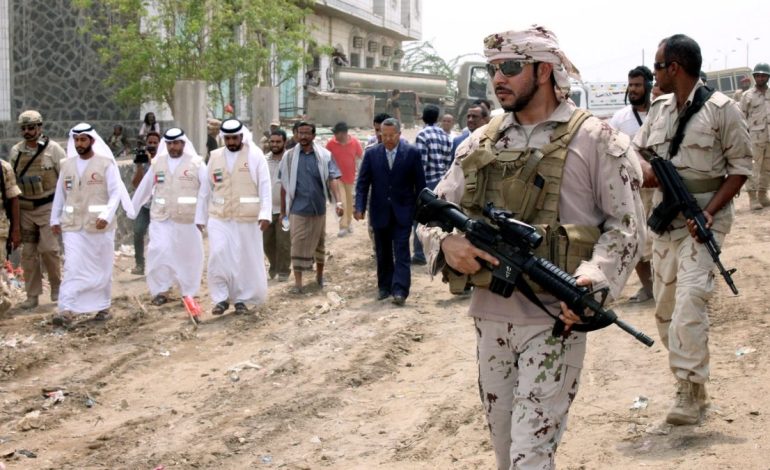

In a decisive move reflecting a renewed priority for regional stability, Gulf and Arab nations have collectively rallied behind Yemen’s internationally recognized government. This show of unity comes at a critical juncture, following a significant escalation that saw airstrikes target a weapons shipment destined for southern separatist forces and an abrupt demand for the withdrawal of Emirati troops from Yemen.
The immediate trigger was a military operation by the Saudi-led coalition supporting Yemen’s government. Coalition airstrikes struck two vessels in the port of Al-Mukalla that had arrived from the UAE, carrying weapons and vehicles for the Southern Transitional Council (STC)—a separatist group backed by the Emirates. In response, Rashad Al-Alimi, head of Yemen’s Presidential Leadership Council, issued a swift ultimatum for UAE forces to leave the country within 24 hours.
This incident has brought long-simmering tensions into sharp relief. Saudi authorities explicitly stated that the STC’s recent territorial gains in Hadramaut and Al-Mahra pose a “direct threat” to both the Kingdom’s national security and regional stability.
A Chorus of Gulf Solidarity
The reaction from across the Gulf has been one of resolute and coordinated support for Yemen’s unity and the security of the coalition.
- Qatar declared its “full support” for Yemen’s legitimate government, emphasizing that the security of Saudi Arabia and GCC states is “an inseparable part” of Qatar’s own security, underscoring a “shared destiny.”
- Kuwait offered “unwavering support,” stating that Gulf security forms the bedrock of its national security and praising the “responsible approach” of both Saudi Arabia and the UAE.
- Bahrain, as current GCC chair, expressed confidence in the ability of Saudi and Emirati leadership “to contain any differences in viewpoints within the framework of a unified Gulf.”
- Egypt, a key regional partner, also voiced full confidence in Saudi and Emirati wisdom to manage the developments.
Navigating a Delicate Balance
The statements carefully walk a diplomatic tightrope. While firmly backing Yemen’s government and Saudi security concerns, they also commend both Saudi Arabia and the UAE, acknowledging the complex roles these two coalition leaders have played. The underlying message is clear: intra-Gulf differences must be managed within the council, and the overarching goals of Yemen’s unity and a comprehensive political solution are paramount.
This collective stance signals a potential recalibration. The focus is shifting toward reinforcing the official Yemeni state as the sole legitimate entity and isolating factions seen as exacerbating fragmentation. By closing ranks, Gulf nations aim to contain a new front of conflict within Yemen that threatens not only the country’s future but also the security architecture of the Arabian Peninsula itself.
The path forward remains fraught, but the unified voice from the Gulf underscores a fundamental principle: in the quest for lasting peace in Yemen, division among Yemenis—and their neighbors—is a luxury the region can no longer afford.
Also Read:
Aid Workers Report Empty Streets in El-Fasher After RSF Takes Control
110 Detained as Turkiye Steps Up Action Against Daesh Networks