



Delhi Restricts Vehicles and Office Attendance to Reduce Air Pollution
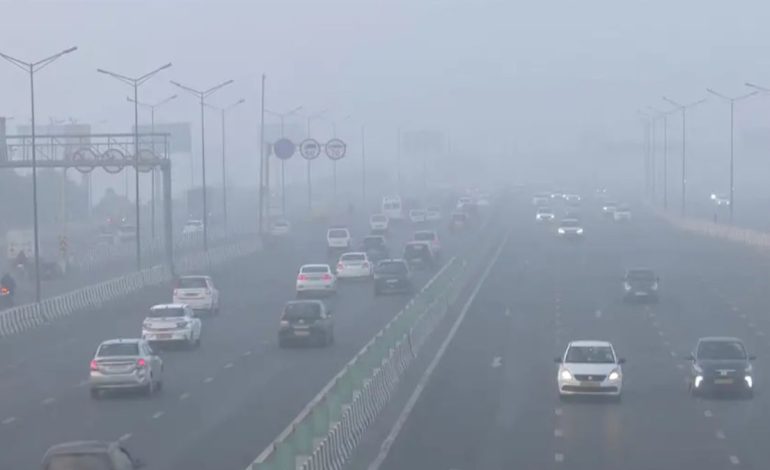

For the millions living in India’s capital, the air itself has once again become a clear and present danger. With the Air Quality Index (AQI) persistently soaring into the ‘severe’ category—often crossing 450—Delhi authorities have been forced to activate the highest level of their emergency protocol. This week, a new set of stringent restrictions came into force, reshaping daily life in a bid to clear the suffocating smog.
The Emergency Protocol in Action
On Saturday, the Commission for Air Quality Management invoked Stage Four of the Graded Response Action Plan (GRAP). This “severe plus” category triggers the most drastic measures available. The immediate effects are now visible across the city:
- A Drastic Cut in Office Attendance: Delhi Minister Kapil Mishra announced that all government and private offices must operate with only 50% in-person attendance. The remaining staff are mandated to work from home, a move aimed at significantly reducing the volume of commuter traffic.
- A Crackdown on Vehicles: A strict ban is now in place on the entry of older diesel trucks into the capital. Furthermore, authorities are prohibiting the use of any vehicles that do not comply with the latest emission control standards (BS-VI), taking aim at a major contributor to urban pollution.
- Construction Grinds to a Halt: All construction activity, including public projects, has been suspended. Recognizing the financial blow this delivers to daily wage earners, the government has pledged compensation of 10,000 rupees (approx. $110) to each registered construction worker affected by the shutdown.
- Hybrid Schooling Returns: Educational institutions have shifted to hybrid models to protect children, who are among the most vulnerable to polluted air.
An Annual Crisis with Deep Roots

This is not a novel situation but a chronic, annual emergency. Each winter, a deadly combination of factors transforms Delhi into one of the world’s most polluted megacities. Cold, heavy air acts like a lid, trapping emissions from local traffic, construction dust, and industrial activity. This is catastrophically compounded by smoke from agricultural crop burning in neighboring states, which drifts over the capital, thickening the toxic haze.
The human cost is immense. The severe AQI levels pose serious respiratory and cardiovascular risks, leading to a surge in hospital admissions and forcing residents to ration their time outdoors.
Also Read: The World’s First Robotic-Assisted Implantation
A Commitment Tested
“Our government is committed to providing clean air in Delhi. We will take strict steps to ensure this in the coming days,” stated Delhi’s Environment Minister, Manjinder Singh Sirsa. The current measures are the ultimate test of that commitment, representing a significant disruption to economic activity and daily routine.
While the restrictions are severe, they underscore a desperate recognition that ordinary governance is insufficient during these episodic environmental crises. The compensation for construction workers indicates an awareness of the disproportionate burden such policies place on the most economically vulnerable.
As shallow fog continues to reduce visibility, disrupting flights and train services, the city holds its breath—both literally and figuratively. The success of these drastic steps, and the political will to sustain them, will determine whether Delhi can find a way to lift the annual veil of pollution that threatens the health and well-being of its 30 million residents.