



ICC Detains Libyan War Crimes Suspect: What This Means for Global Justice
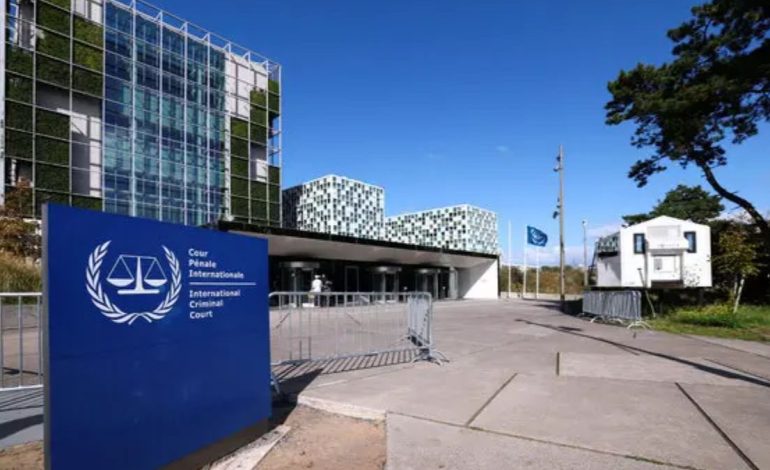

In a significant move for international accountability, the International Criminal Court (ICC) announced on Monday that it has taken custody of a Libyan militia leader suspected of overseeing severe human rights abuses at the notorious Mitiga prison near Tripoli.
Khaled Mohamed Ali El Hishri, arrested in Germany in July, was transferred to the ICC detention center in The Hague, where he awaits his first appearance before judges. He faces charges of war crimes and crimes against humanity, including murder, torture, and rape, allegedly committed during his time as a senior official at the prison.
The Allegations and Arrest
The ICC stated that under El Hishri’s watch, “thousands were detained for long periods” at Mitiga prison, where detainees reportedly endured systematic abuse. His arrest took place at Berlin airport in July as he attempted to travel to Tunis, according to German magazine Der Spiegel. After months in German custody, the completion of legal procedures has now enabled his transfer to The Hague.
A Broader Context of Chaos
El Hishri’s case emerges against the backdrop of Libya’s protracted instability. Since the 2011 NATO-backed uprising that overthrew Muammar Qaddafi, the oil-rich nation has been fractured by armed conflict and political division. Today, Libya remains split between a UN-recognized government in the west and an eastern administration backed by military commander Khalifa Haftar.
In such an environment, militias have often operated with impunity, making the ICC’s intervention a rare instance of potential accountability for atrocities committed in Libya’s post-revolution turmoil.
Implications for International Justice
El Hishri’s detention signals the ICC’s continued commitment to investigating grave crimes in Libya, a situation it has been examining since 2011. For victims and human rights advocates, it represents a tangible step toward justice—a reminder that even years later, those accused of atrocities may still face prosecution.
However, the case also highlights the challenges of pursuing justice in fragmented states where national judicial systems are weak or unwilling to act. International courts often depend on the cooperation of other countries—like Germany in this instance—to apprehend suspects.
Looking Ahead
An initial court appearance for El Hishri will be scheduled in the coming weeks, where the charges against him will be formally presented. While his case moves forward, it reinforces the principle that crimes against humanity carry global consequences—and that no prison wall or border can guarantee permanent impunity.
For a country still struggling with division and violence, this proceeding offers a measure of hope that accountability, however delayed, remains possible.
Also Read:
KSrelief Continues Lifesaving Water Support for Communities in Yemen
Israeli Settlers’ Attack on Pro-Palestine Group Sparks Outrage Near Jericho